About Our Capacity Building Initiatives
AMRUT-CUP-MNIT shall be built to strengthen the capabilities of urban stakeholders such as Experts, Planners, Architects etc., through capacity building programs. It focuses on developing the knowledge, skills, and tools needed to address complex urban challenges. We offer training modules, workshops, certification programs, and knowledge-sharing platforms targeting officials from ULBs, planning authorities, engineers, architects, urban designers, academicians, and students. Training programs will cover various themes and durations. Some core and essential training programmes will be offered periodically throughout the year, while customized modules will be developed and delivered on demand, based on institutional needs and sectoral requirements. These trainings are primarily aimed at strengthening the capabilities of working professionals and urban practitioners; they will also remain open to students, researchers, and other knowledge seekers interested in urban transformation and planning innovation.
Our Workshops
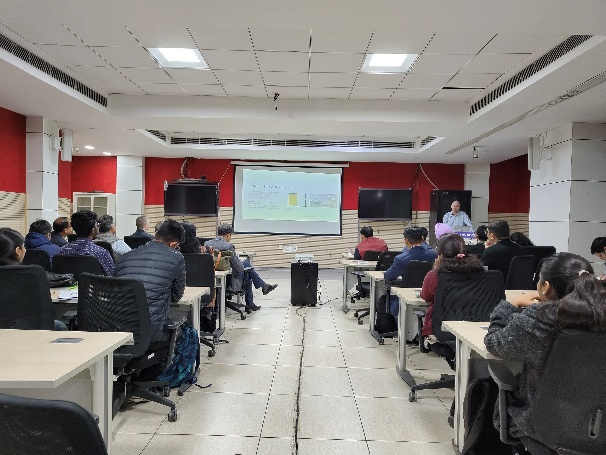
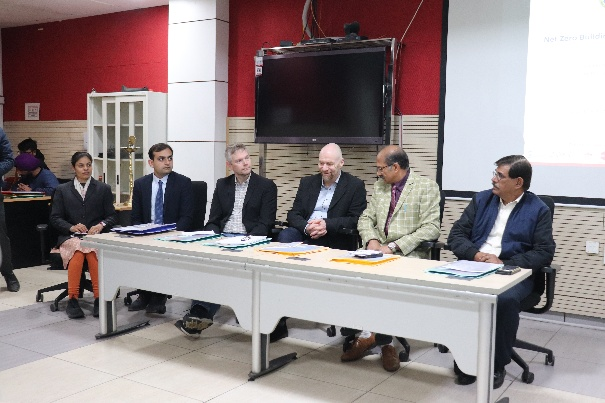
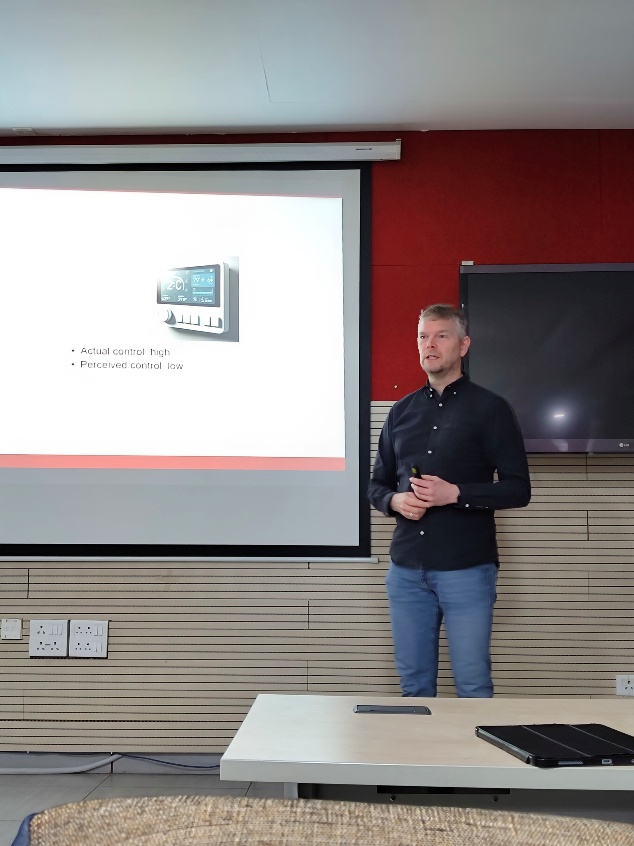
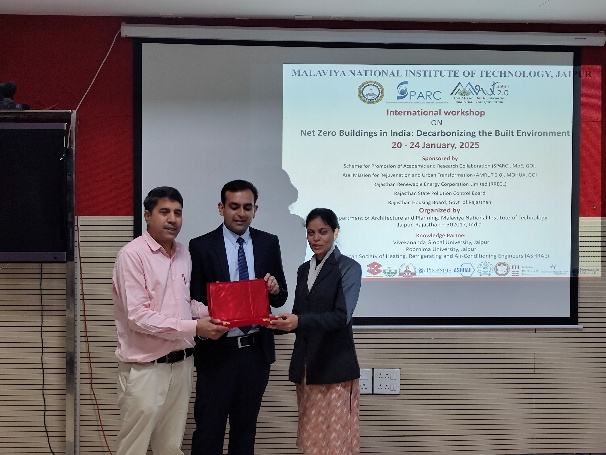
Dates: 20th - 24th January 2025
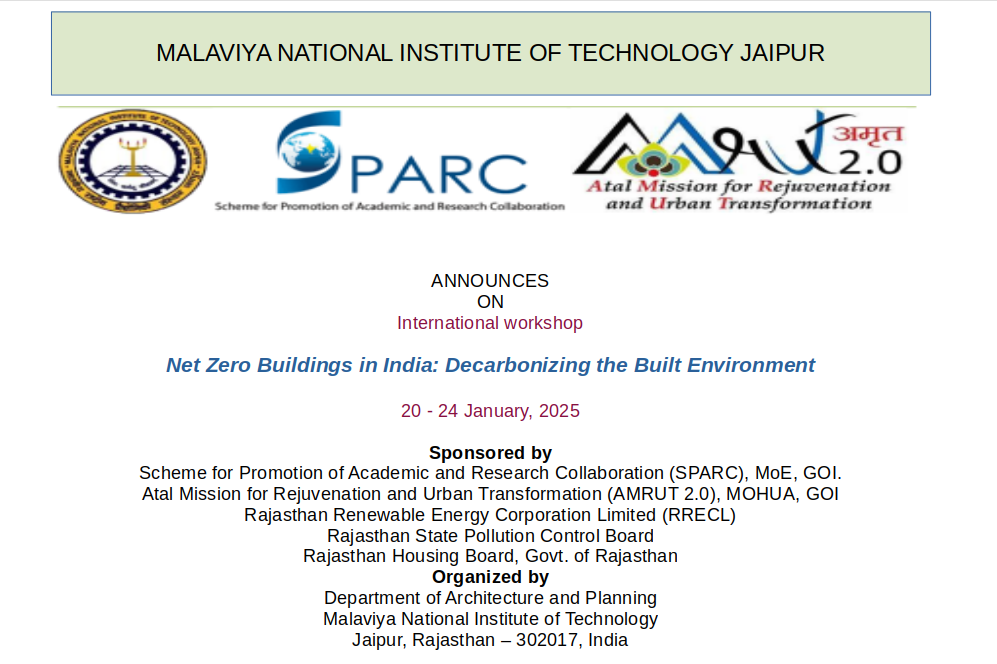
A five-day workshop at MNIT Jaipur dedicated to advancing sustainable design, exploring cutting-edge technologies, renewable energy solutions, and policy regulatory frameworks to achieve net-zero buildings. It highlights an ecosystem approach to achieving occupant thermal comfort, energy efficiency, carbon emission reduction, and life cycle cost optimization by utilizing advanced building materials, façade, passive features, lighting, HVAC, renewable sources, and storage systems. The aim is to equip participants with comprehensive knowledge and strategies to decarbonize the built environment in India. This workshop brings together international leading experts, researchers, and practitioners to explore and exchange innovative strategies, utilizing emerging technologies, and policies essential for achieving decarbonization in the built environment and contributing to India’s net zero target 2070. It aims to facilitate interdisciplinary collaboration and knowledge sharing among professionals, researchers, academicians, and policymakers.
- Introduction on net zero
- Climate change and built environment
- Occupant comfort and health
- Building energy efficiency
- Integration of RE and storage for decarbonization
- Policy landscape for net zero
- Policy landscape for decarbonisation and net zero
- Enabling occupant thermal comfort to reduce energy
- Climate adaptive material, passive intervention
- Emerging technology for a sustainable built environment
- Understanding embodied energy and life cycle performance
- Optimization technique for net zero design
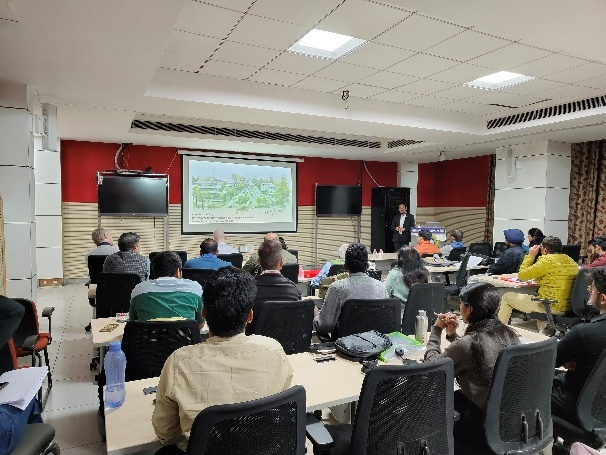
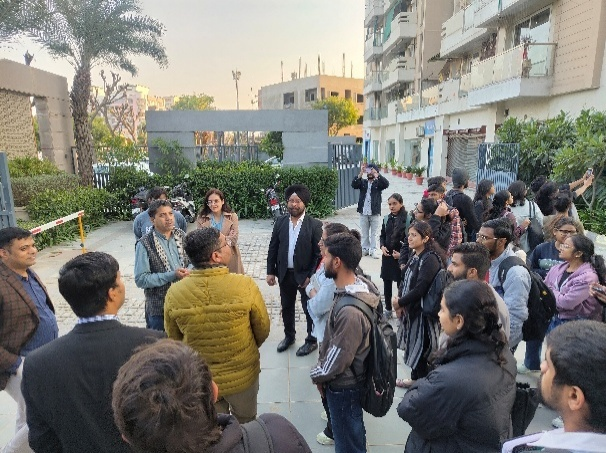
Dates: 21st - 25th January, 2025
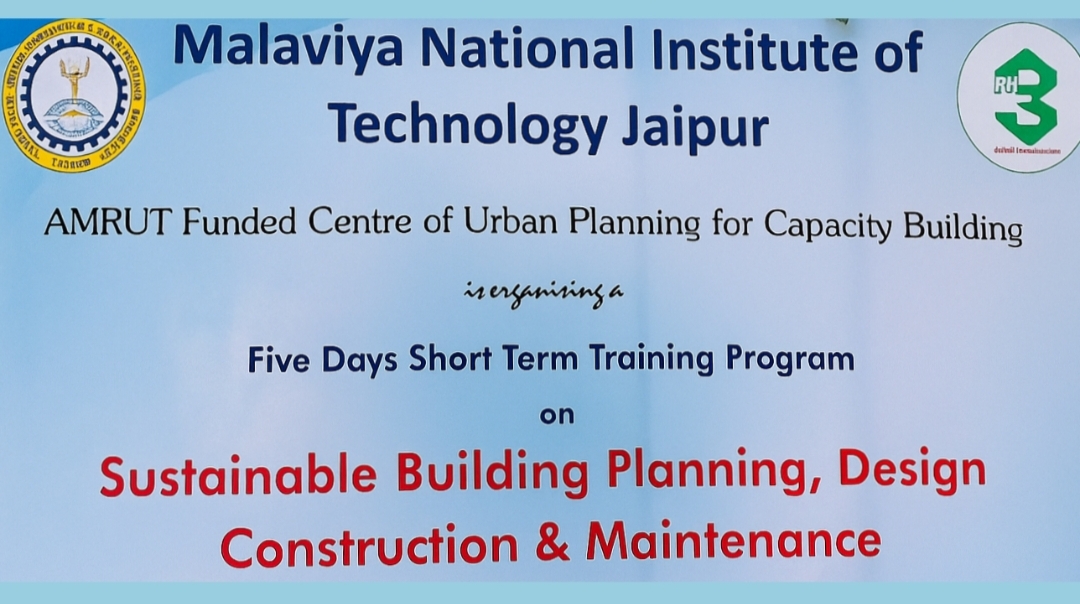
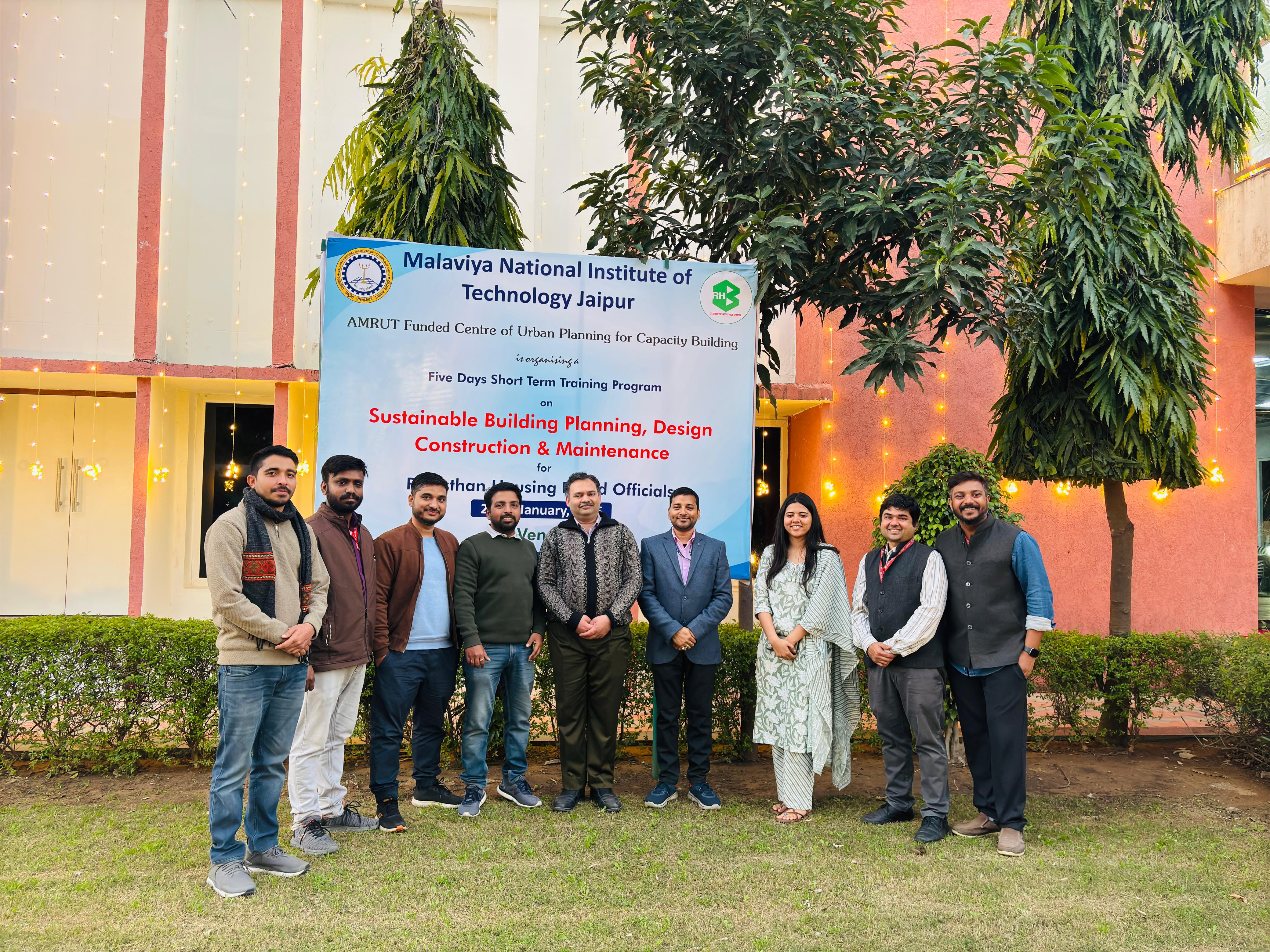
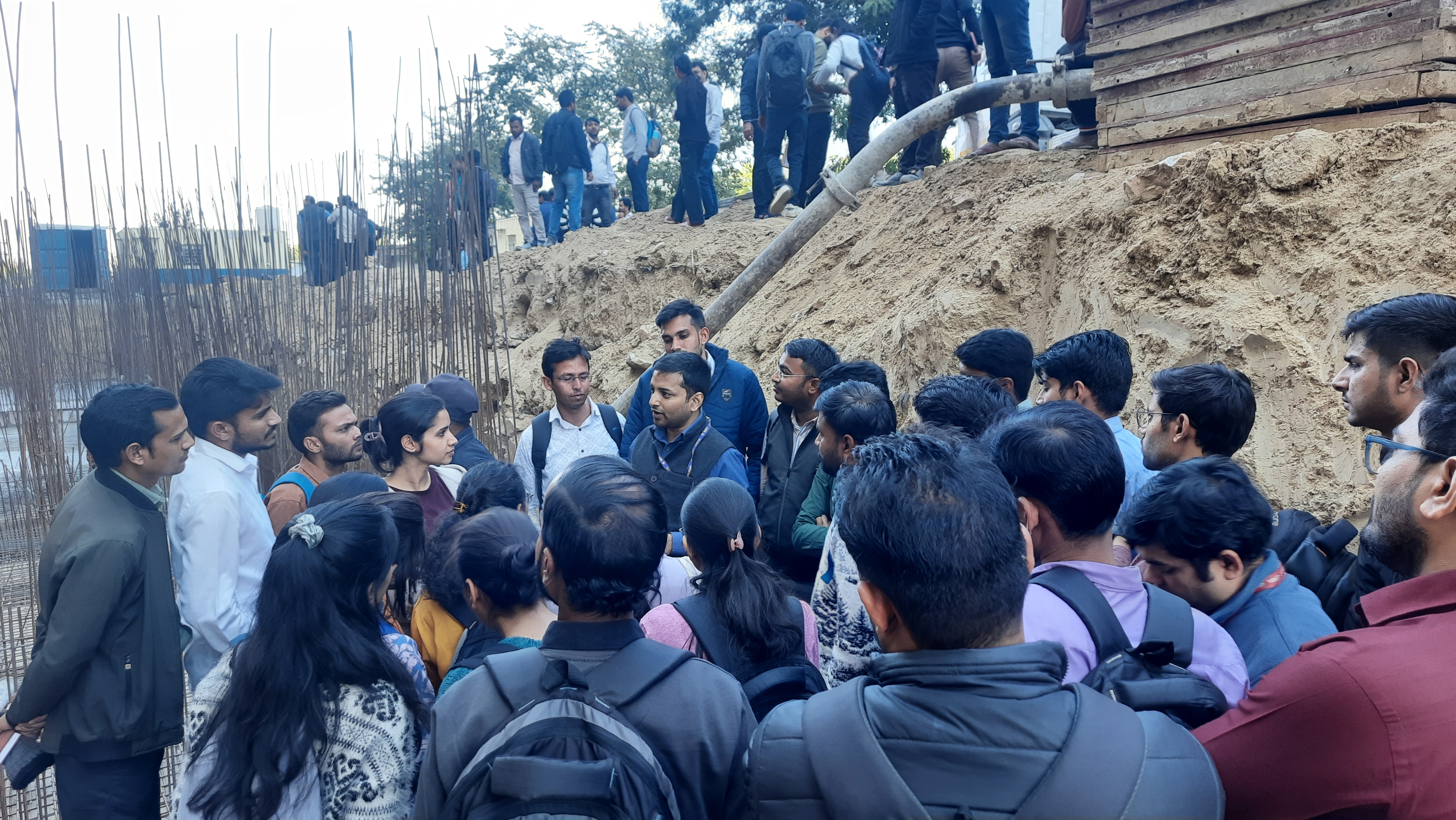
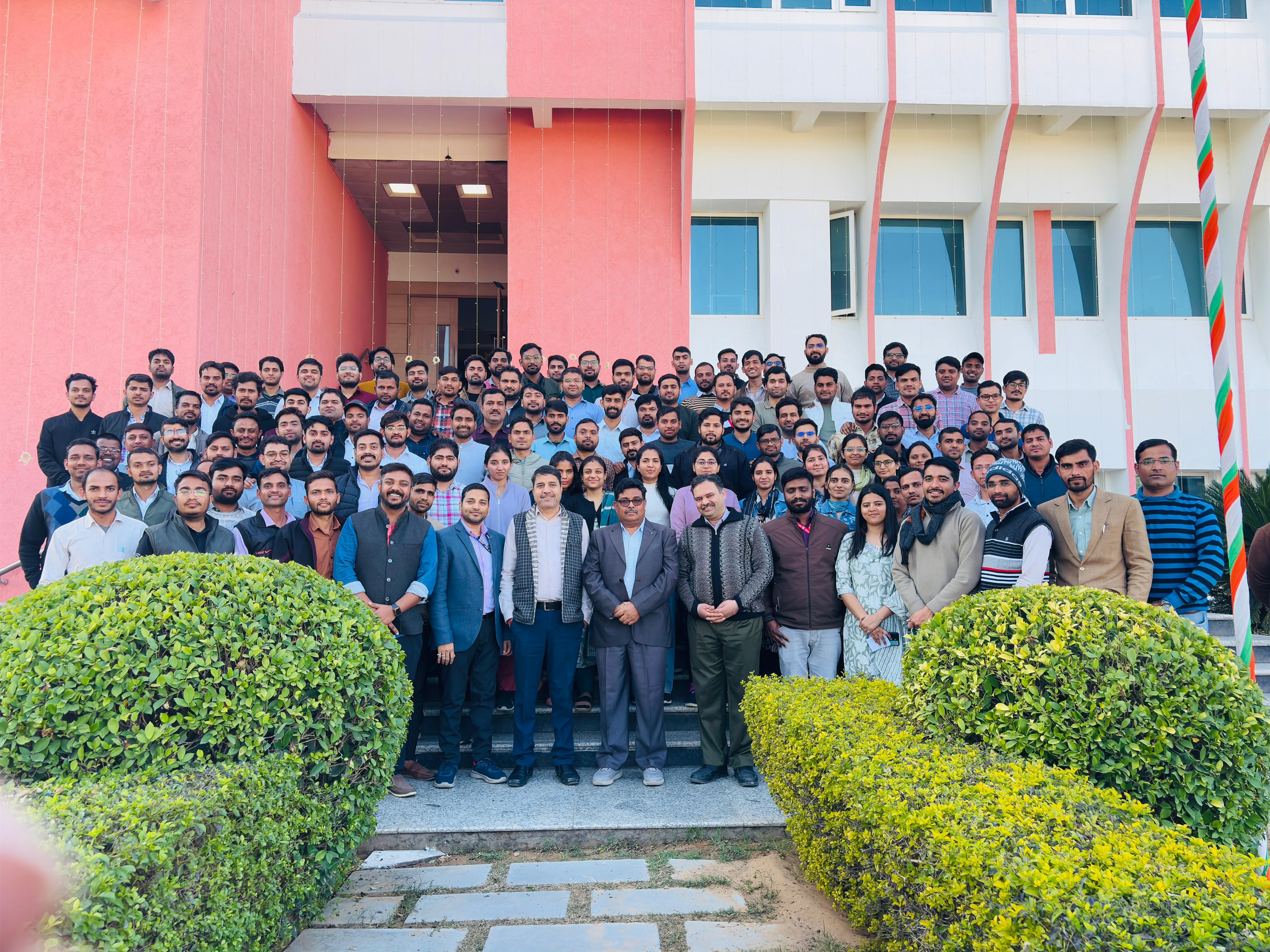
A five-day Short-Term Training Program (STTP) for engineers of the Rajasthan Housing Board (RHB), organized by the AMRUT Centre for Urban Planning and Capacity Building at MNIT Jaipur, sponsored by the Ministry of Housing and Urban Affairs (MoHUA), GoI. A total of 104 officials from RHB attended. Participants included 54 PE Jr. (Diploma), 38 PE Jr. (Degree), 7 PE Jr. (Electric), and 5 Sr. Draftsmen.
- Implementation of RHB Schemes for Sustainable Practices
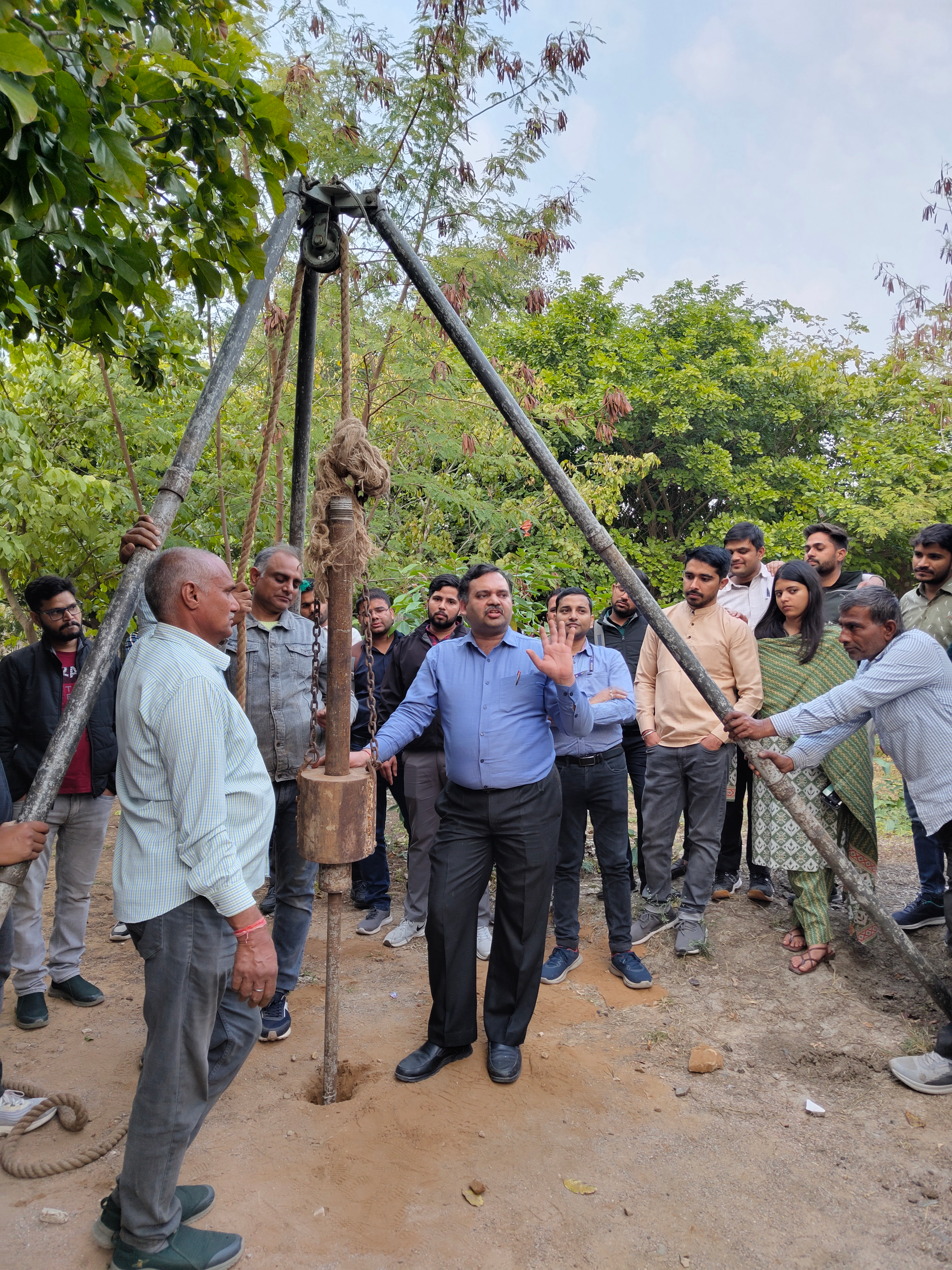
- Field Data Collection Methods and Techniques, Field Investigations
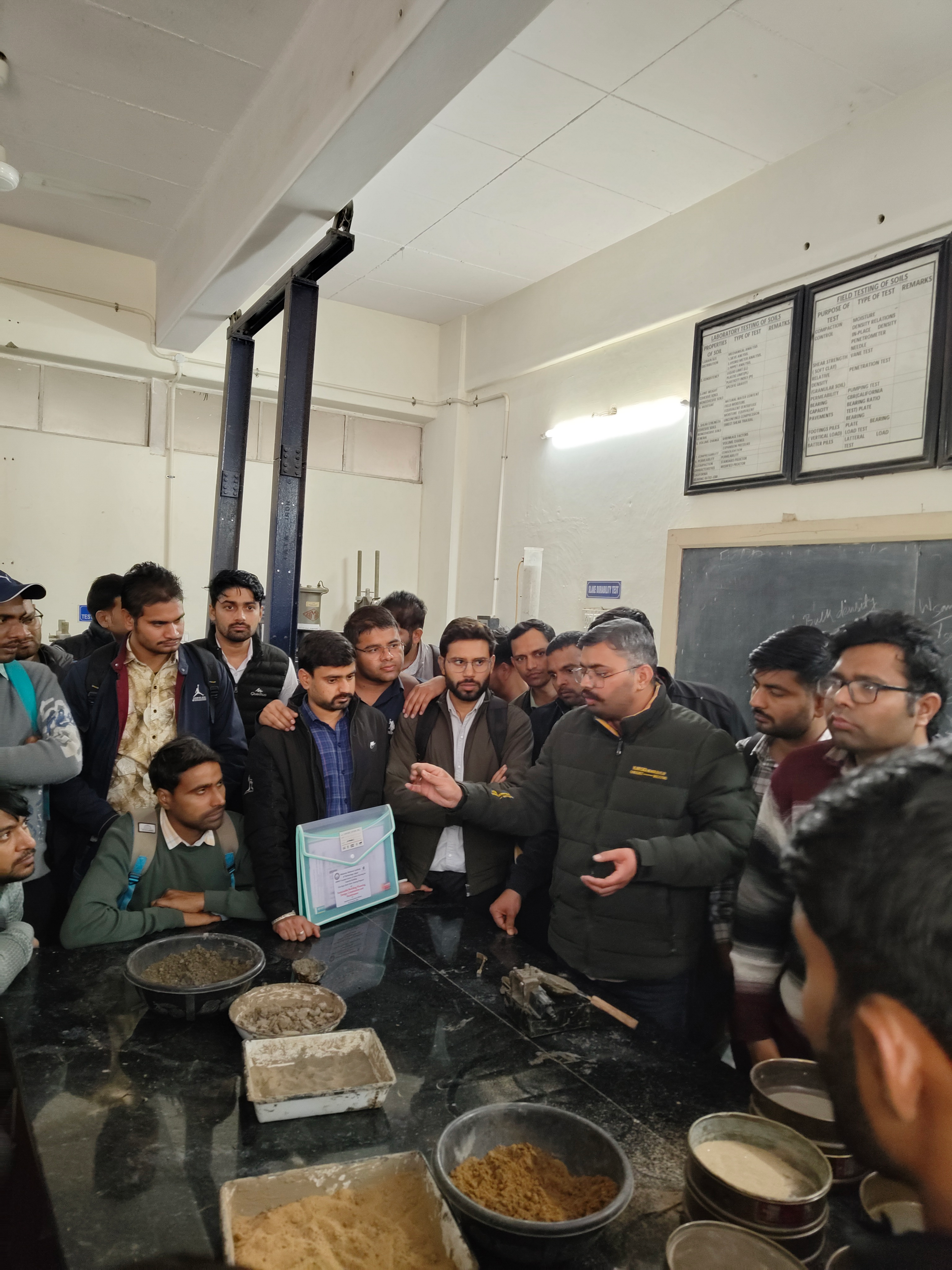
- Construction Material Testing and Quality Standards for Buildings and Roads
- Quality Control: Standards, Setups, and Quality Assurance Processes
- Hands-on/ Demonstration of Road Material/ Concrete
- Estimation of Design Capacities for Drainage and Design
- Water Harvesting and System Design
- Ductile Reinforcement Detailing and Code Provisions
- Hands-on Exercise on GNSS Data Collection and Geo-tagging
- Cracks in Masonry Structures
- Healthy Built Environment for Construction
- Field Visit
- Mode of Measurements for Buildings and Roads
- Cost Estimation for Single and Multi-Story Buildings
- Good Construction Practices and Study of Maps and Drawings
- Determination of Minimum Bid Price (MBP) and Costing Principle+ Plantation, Execution, and Maintenance
- RERA Act and its Implementation and Other Relevant Acts
- Valedictory and Feedback Session
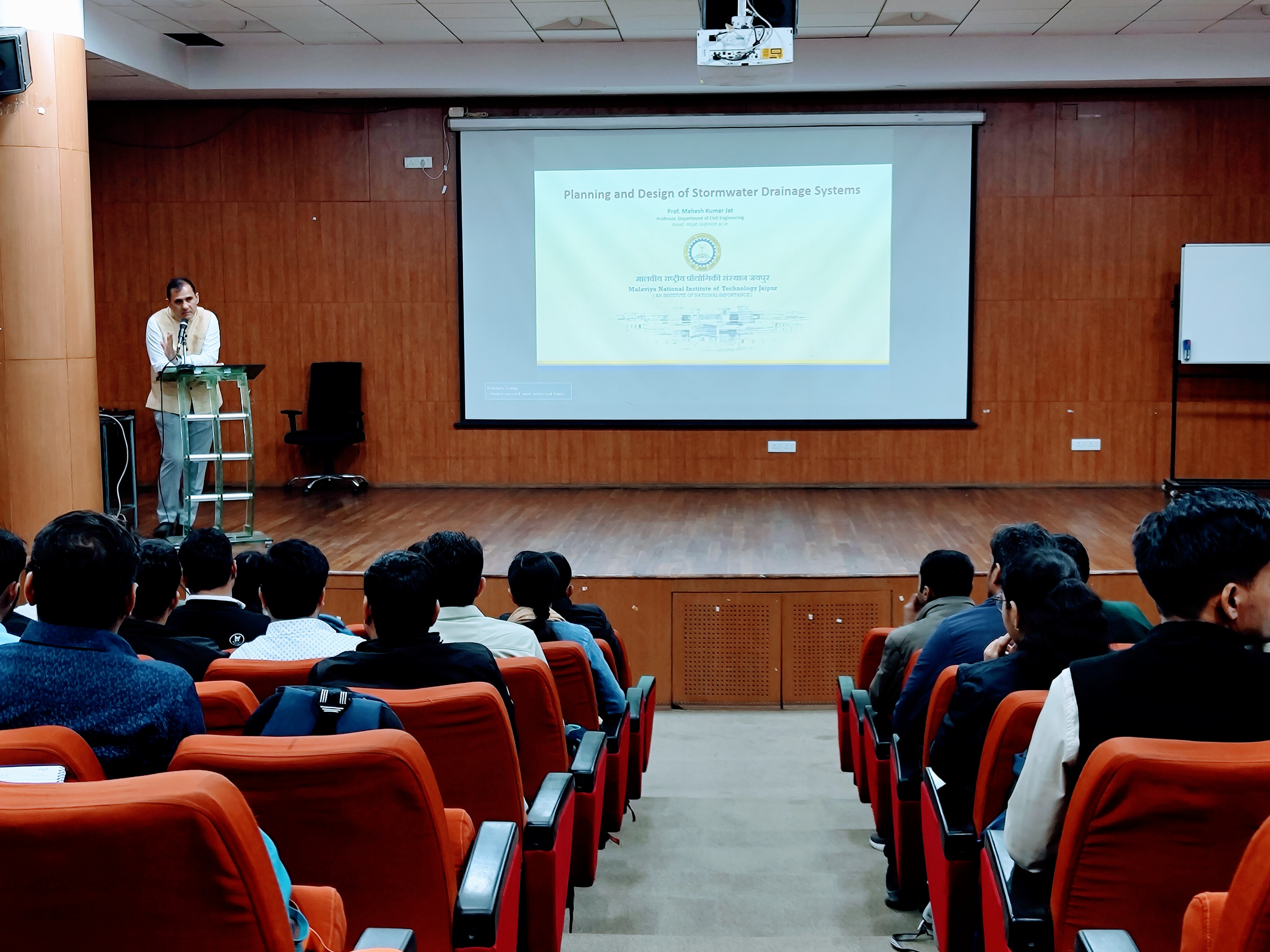
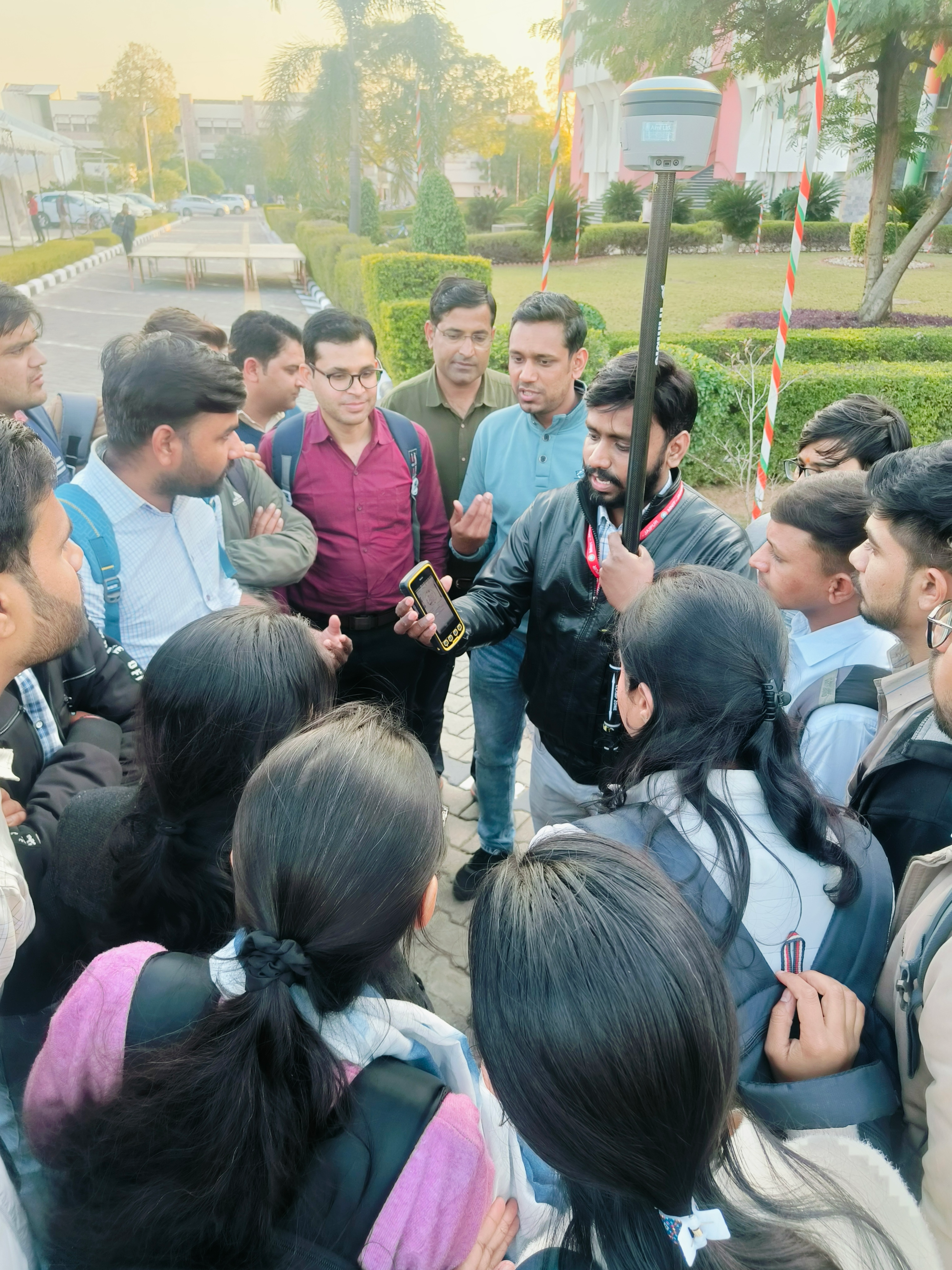
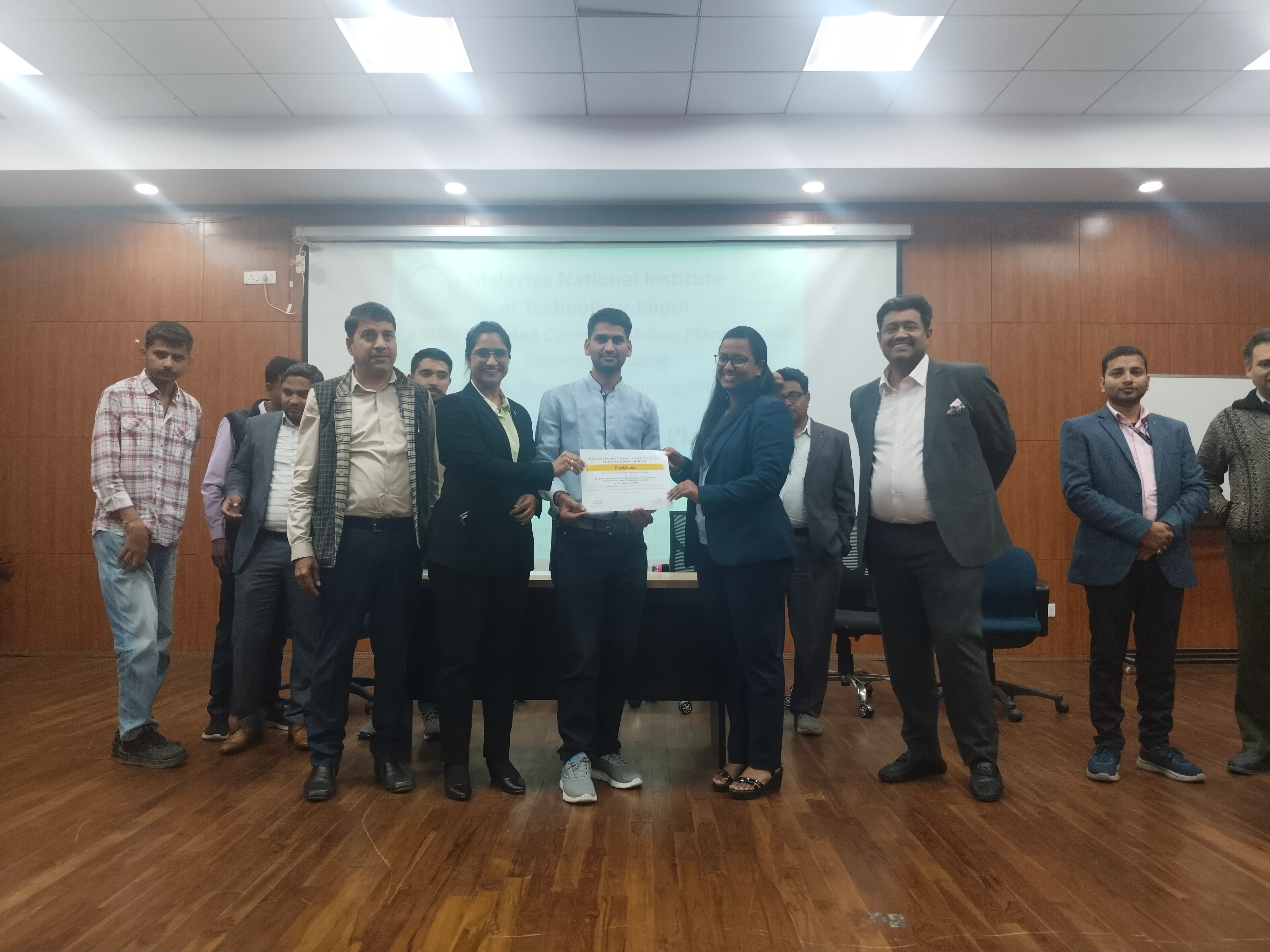
Dates: 9th – 13th March 2025
A five-day workshop at MNIT Jaipur focusing on urban poverty alleviation through flagship government schemes and on the DAY-NULM scheme. It brings together researchers, policymakers, and urban development practitioners to promote collaborative learning and critical evaluation. Through interactive lectures, hands-on exercises, and expert consultations, the workshop aims to deepen understanding and enhance the impact of these transformative initiatives.
- Research Design in Government-Funded Urban Projects
- Urban Studies Research: Best Practices in Data Collection, Challenges, and Solutions
- Research Insights on DAY-NULM and PM SVANidhi
- Strategic Stakeholder Engagement for Urban Poverty Alleviation
- Consultation Workshop: Addressing Research Challenges & Data Gaps
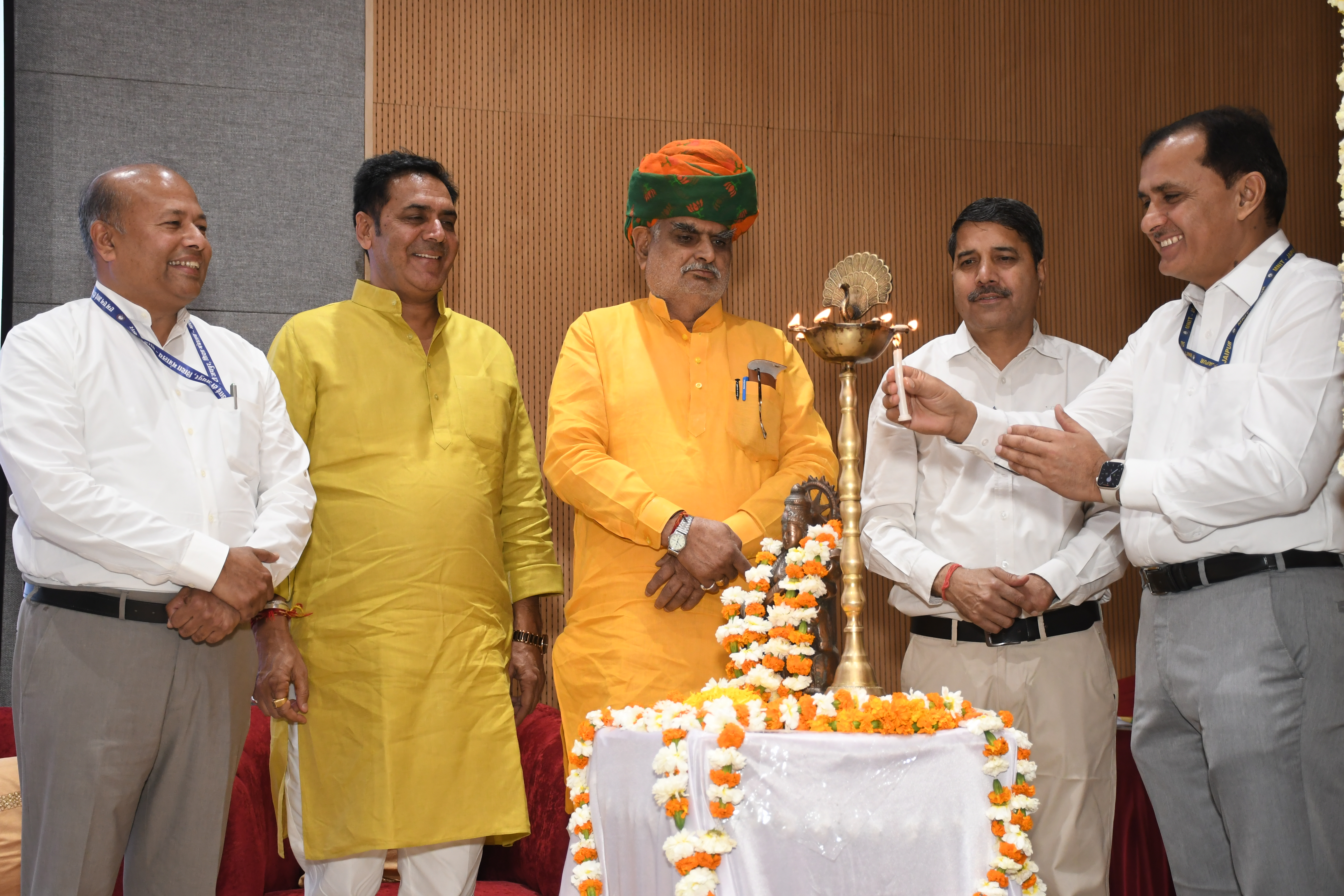
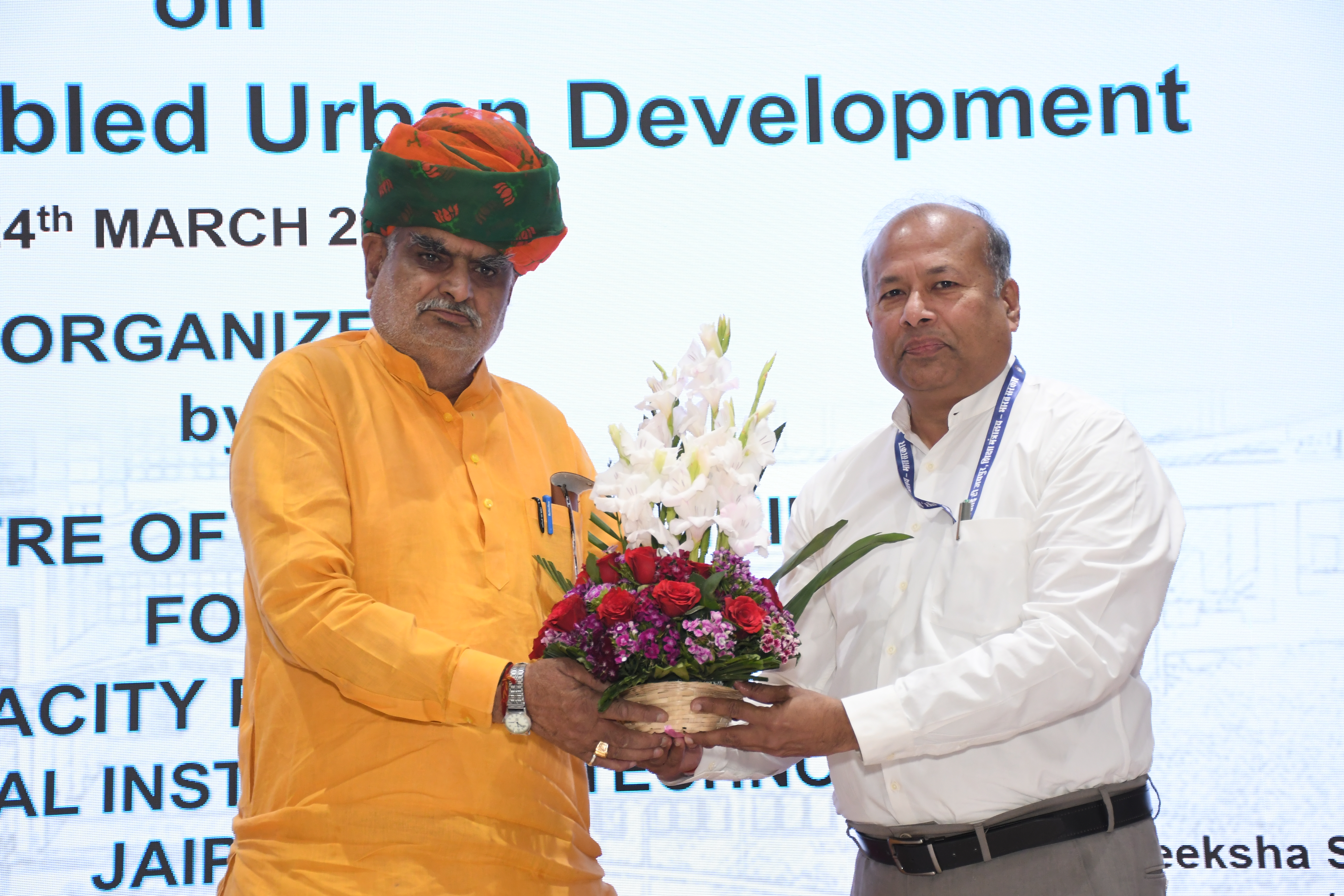
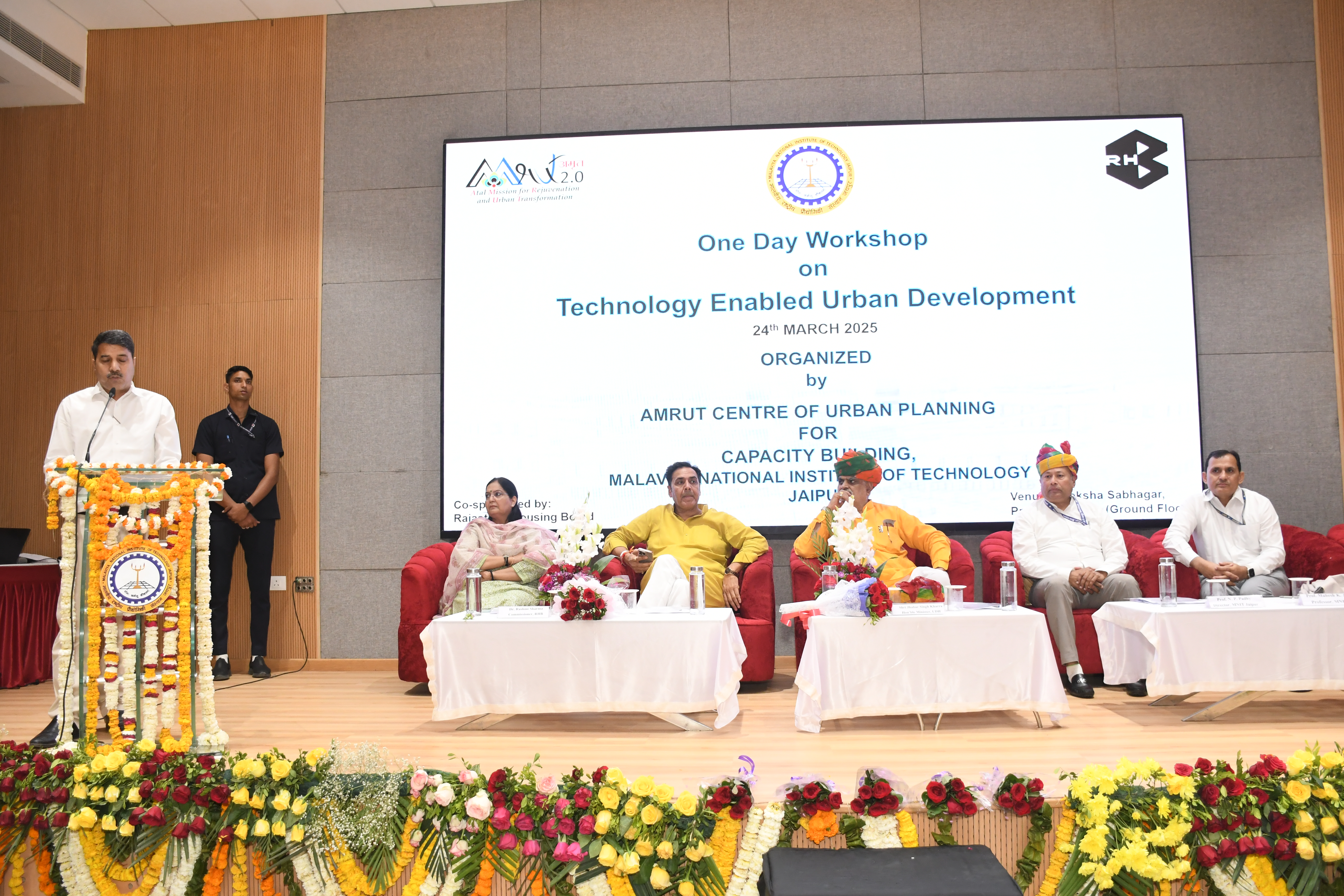
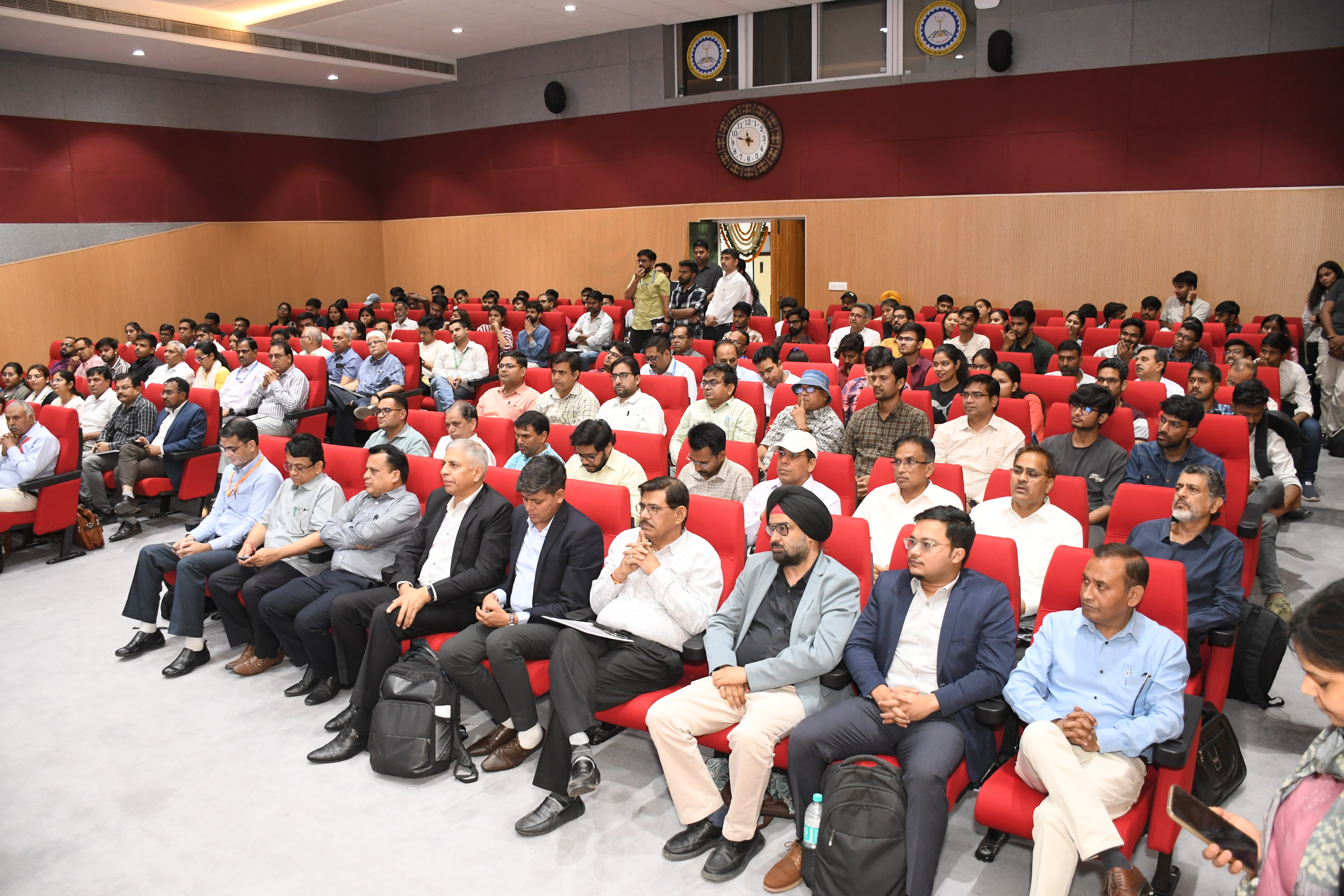
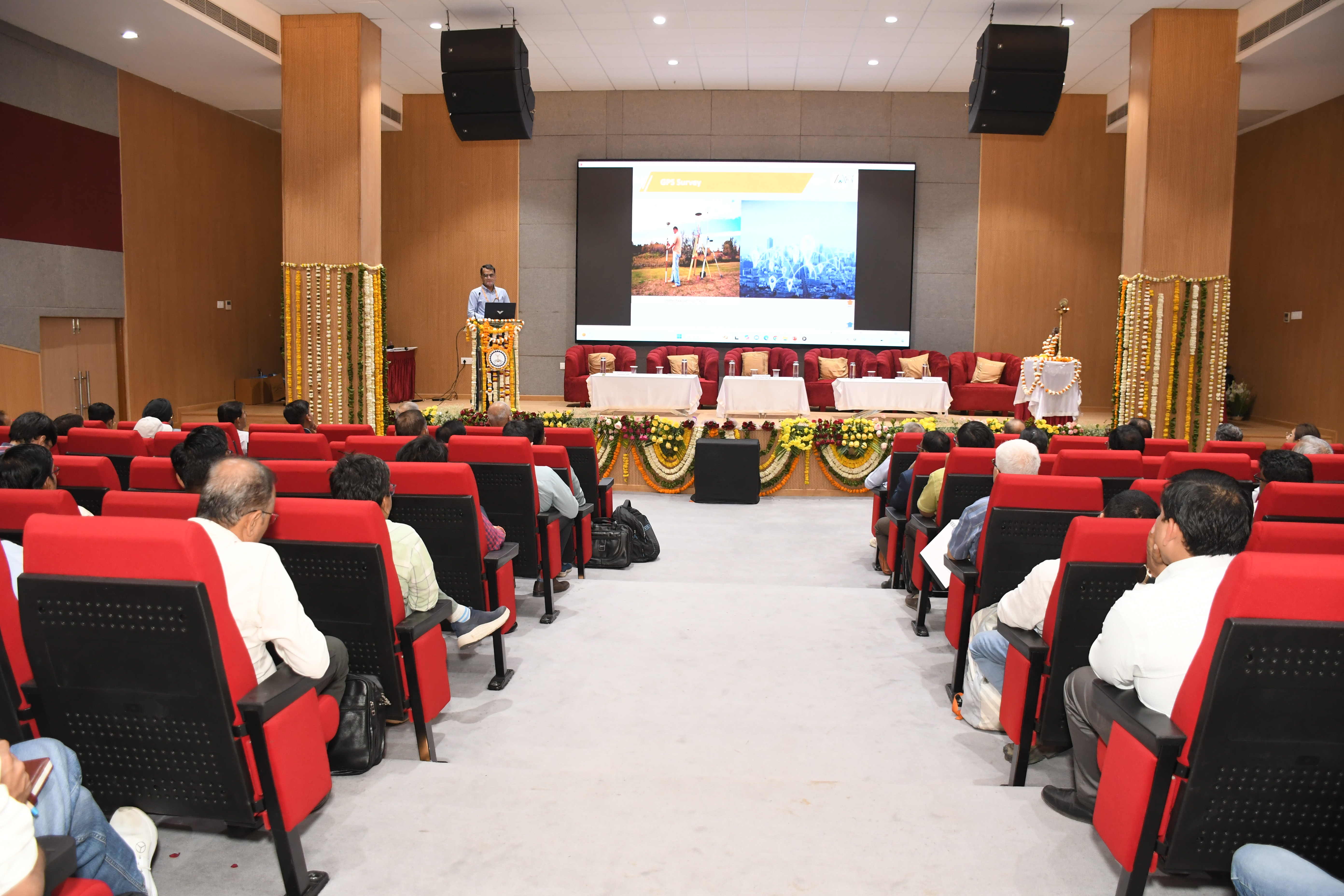
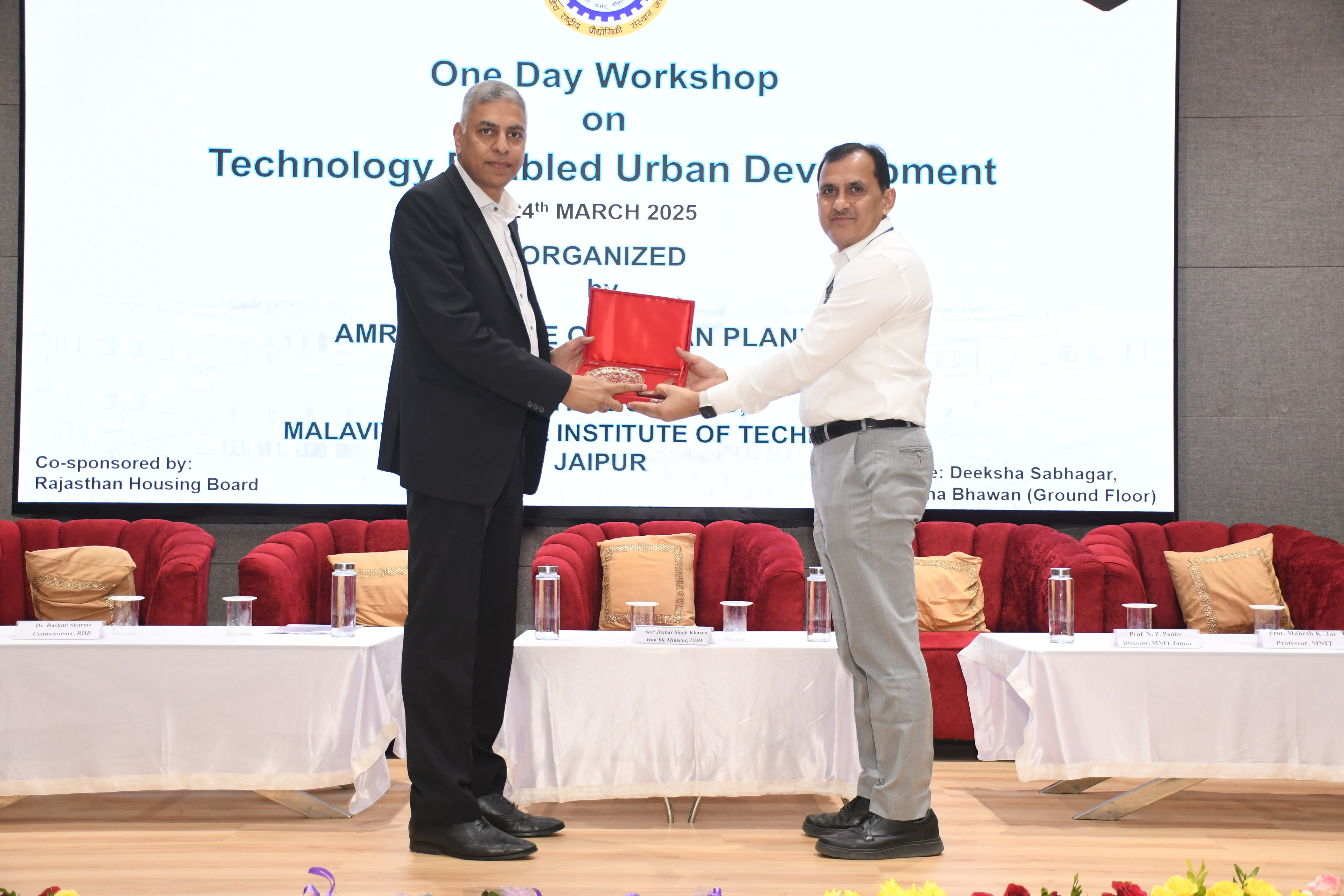
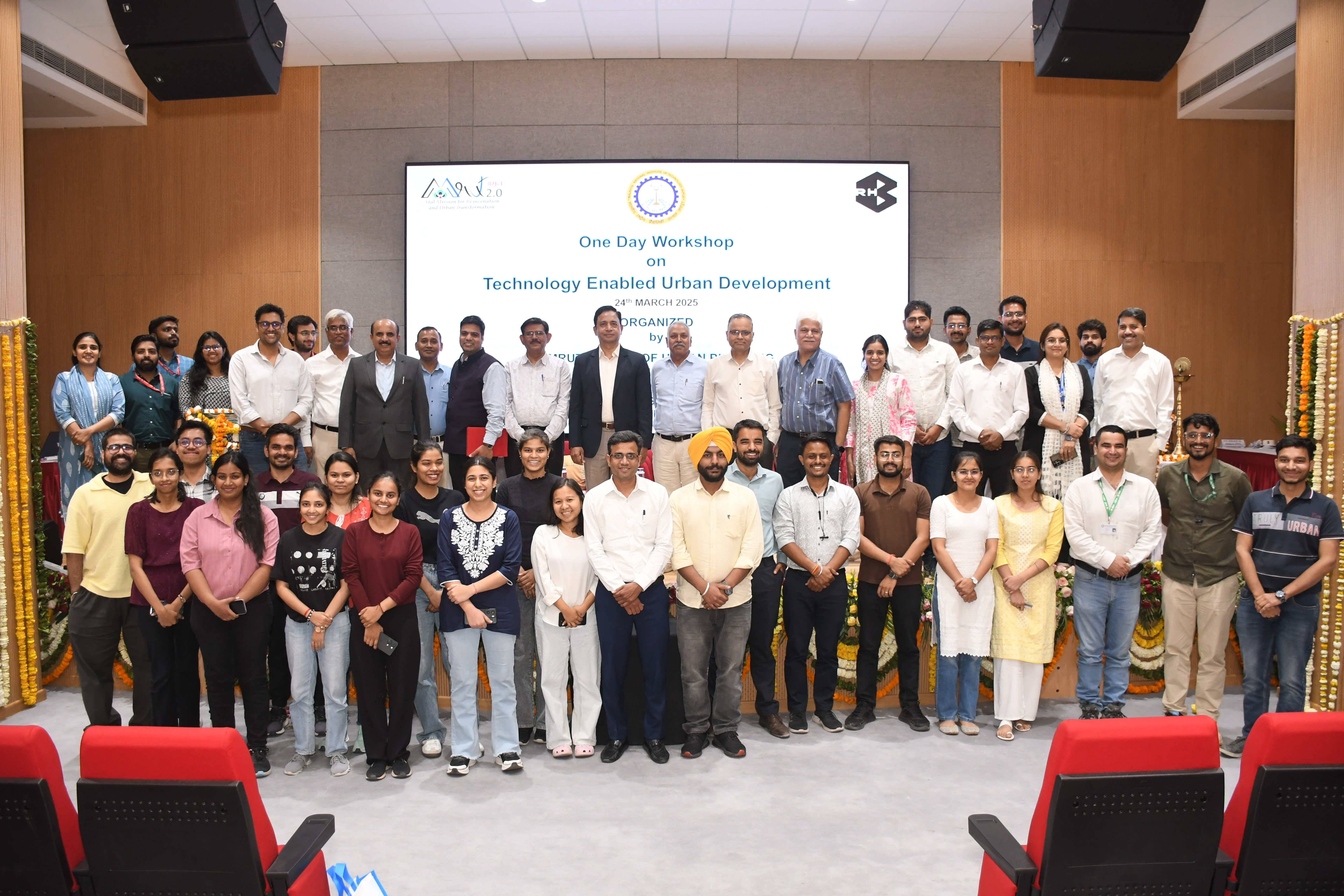
Date: 24th March, 2025
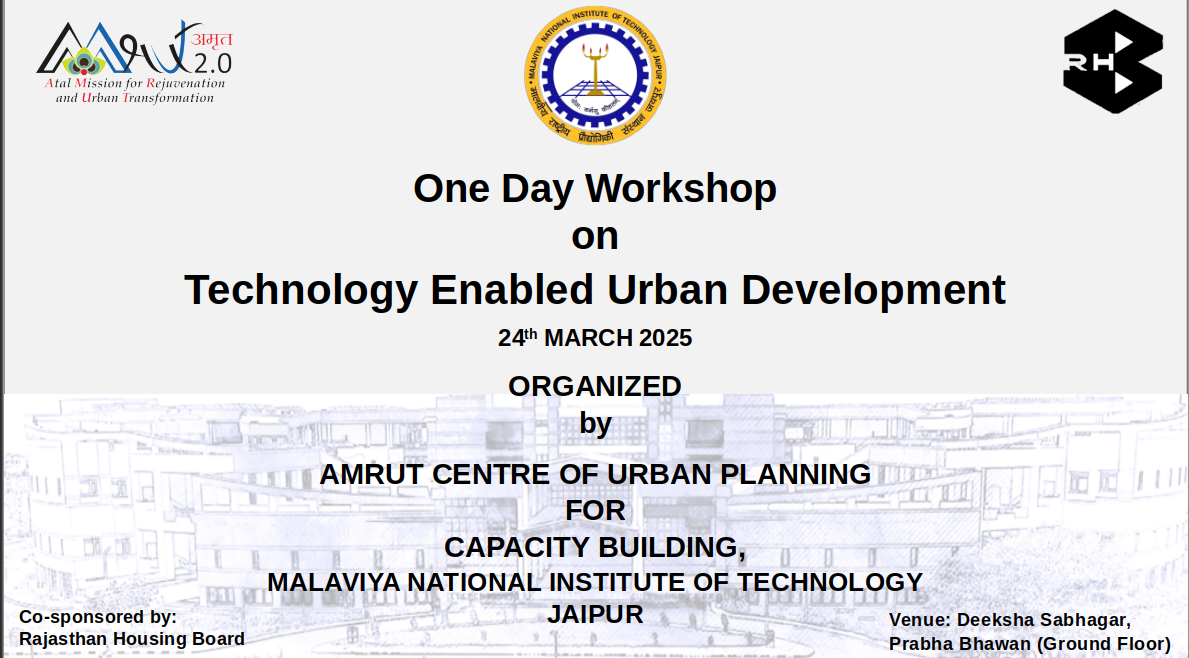
Organized at the AMRUT funded centre at MNIT Jaipur. The aim was to present technological advancements and best urban development practices, case studies, and explore areas of potential collaboration where MNIT Jaipur can work with stakeholders to address urban planning and development issues in the state. The workshop focused on scientific, technological, and socio-economic aspects of urban development. It was open to various stakeholders including experts from academia, industry, research scholars, students, and organisations under the Urban Development and Housing (UDH) Department of the Government of Rajasthan. The event witnessed active participation and engagement.
- Digital and Smart Cities
- Urbanisation policy for Rajasthan
- Technologies of Spatial Data Collection for Urban Applications
- Integrated Water Cycle Management
- Urban Development Financing Options
- Urban development through private sector participation and urban reforms legislative reforms
- Smart mobility and multi-modal integration
- Planned urban development
- Zero-carbon cities
- Innovative urban infrastructure Technologies
- Sustainable Development through Research and Collaboration

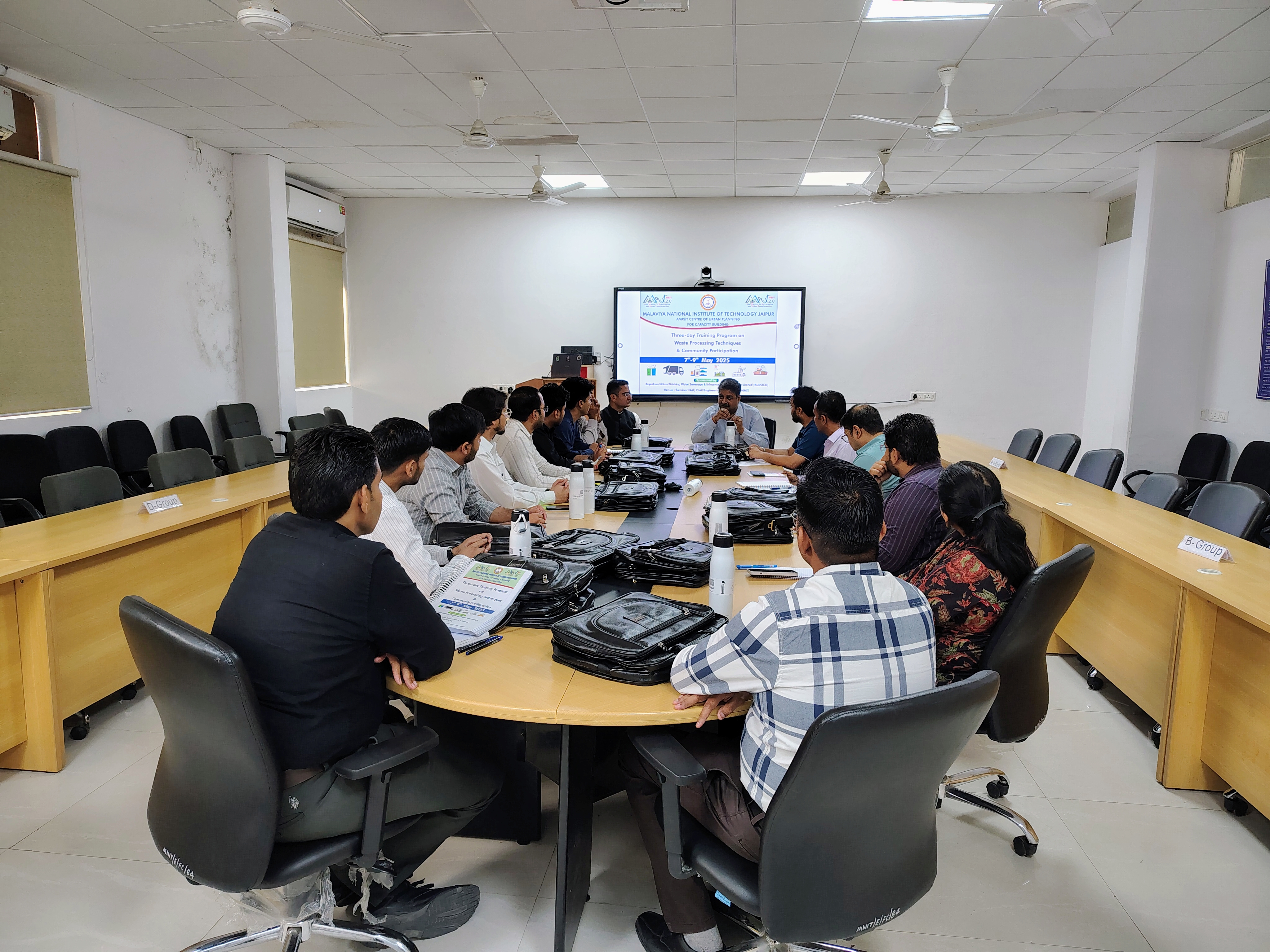
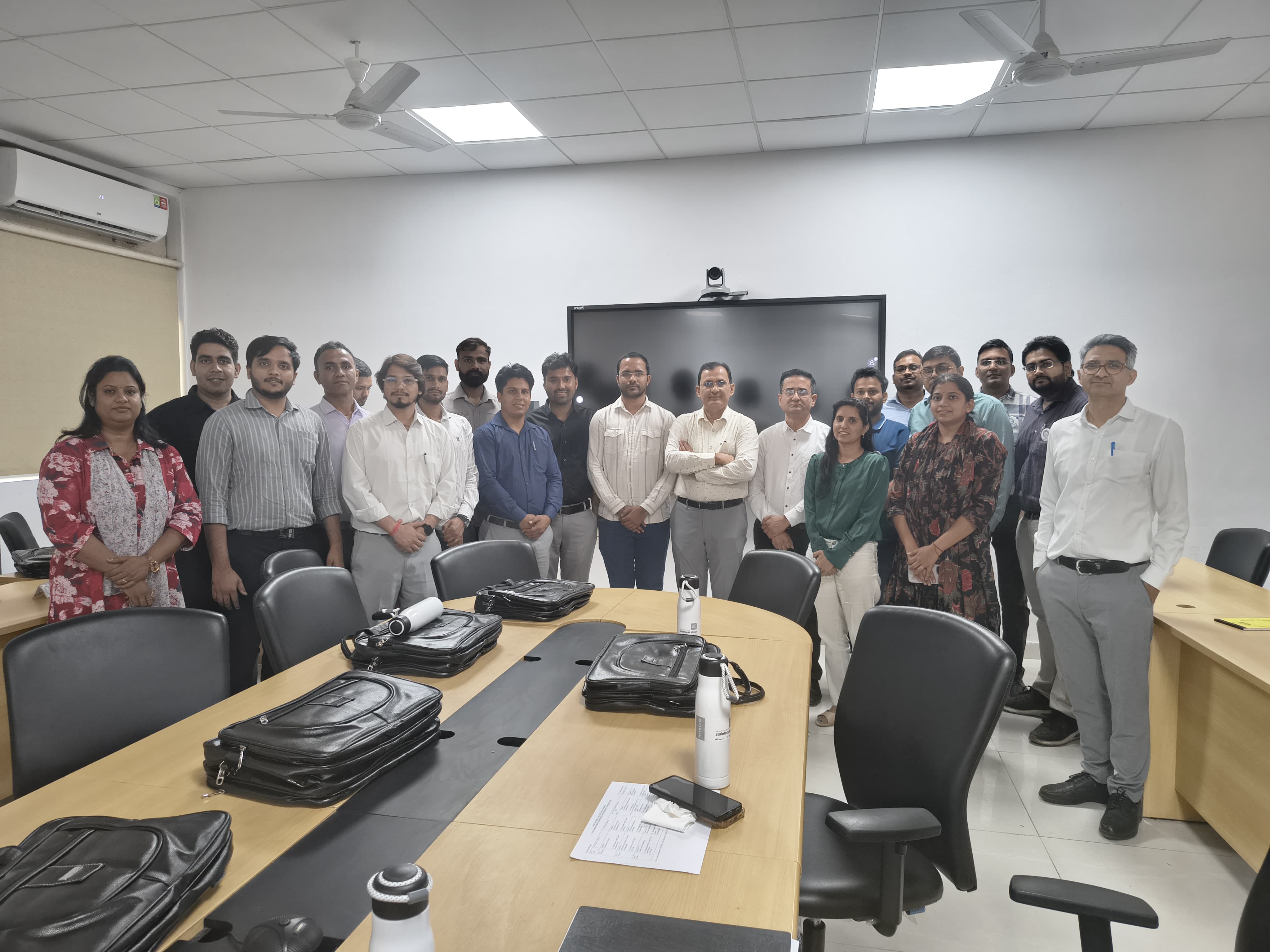
Dates: 7th - 9th May, 2025
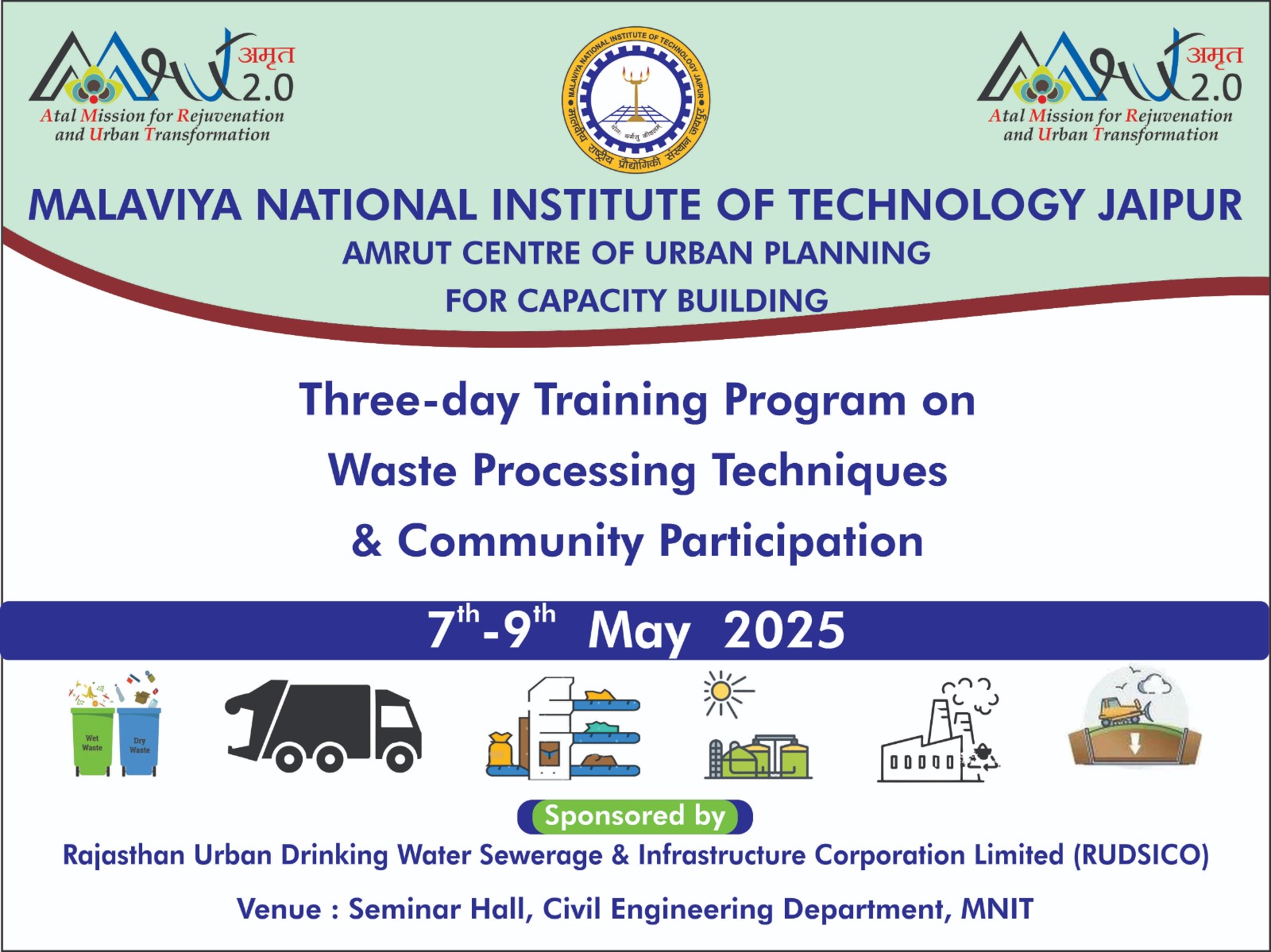
A three-day Short-Term Training Program (STTP) for engineers, organized by the AMRUT Centre for Urban Planning and Capacity Building at MNIT Jaipur, sponsored by Rajasthan Urban Drinking Water Sewerage and Infrastructure Corporation Ltd.(A Govt. of Rajasthan undertaking).
- Implementation of RHB Schemes for Sustainable Practices
- Field Data Collection Methods and Techniques, Field Investigations
- Construction Material Testing and Quality Standards for Buildings and Roads
- Quality Control: Standards, Setups, and Quality Assurance Processes
- Hands-on/ Demonstration of Road Material/ Concrete
- Estimation of Design Capacities for Drainage and Design
- Water Harvesting and System Design
- Ductile Reinforcement Detailing and Code Provisions
- Hands-on Exercise on GNSS Data Collection and Geo-tagging
- Cracks in Masonry Structures
- Healthy Built Environment for Construction
- Field Visit
- Mode of Measurements for Buildings and Roads
- Cost Estimation for Single and Multi-Story Buildings
- Good Construction Practices and Study of Maps and Drawings
- Determination of Minimum Bid Price (MBP) and Costing Principle+ Plantation, Execution, and Maintenance
- RERA Act and its Implementation and Other Relevant Acts
- Valedictory and Feedback Session
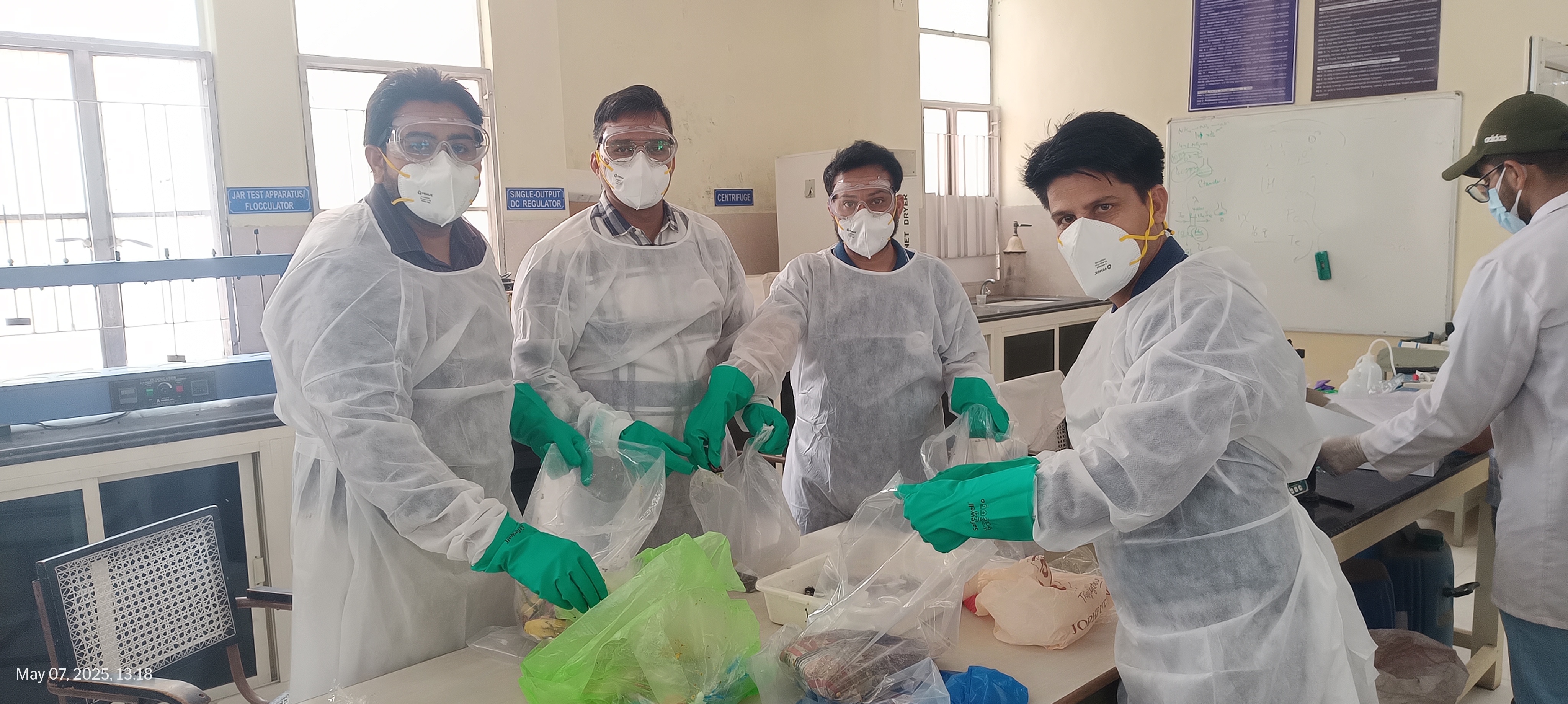
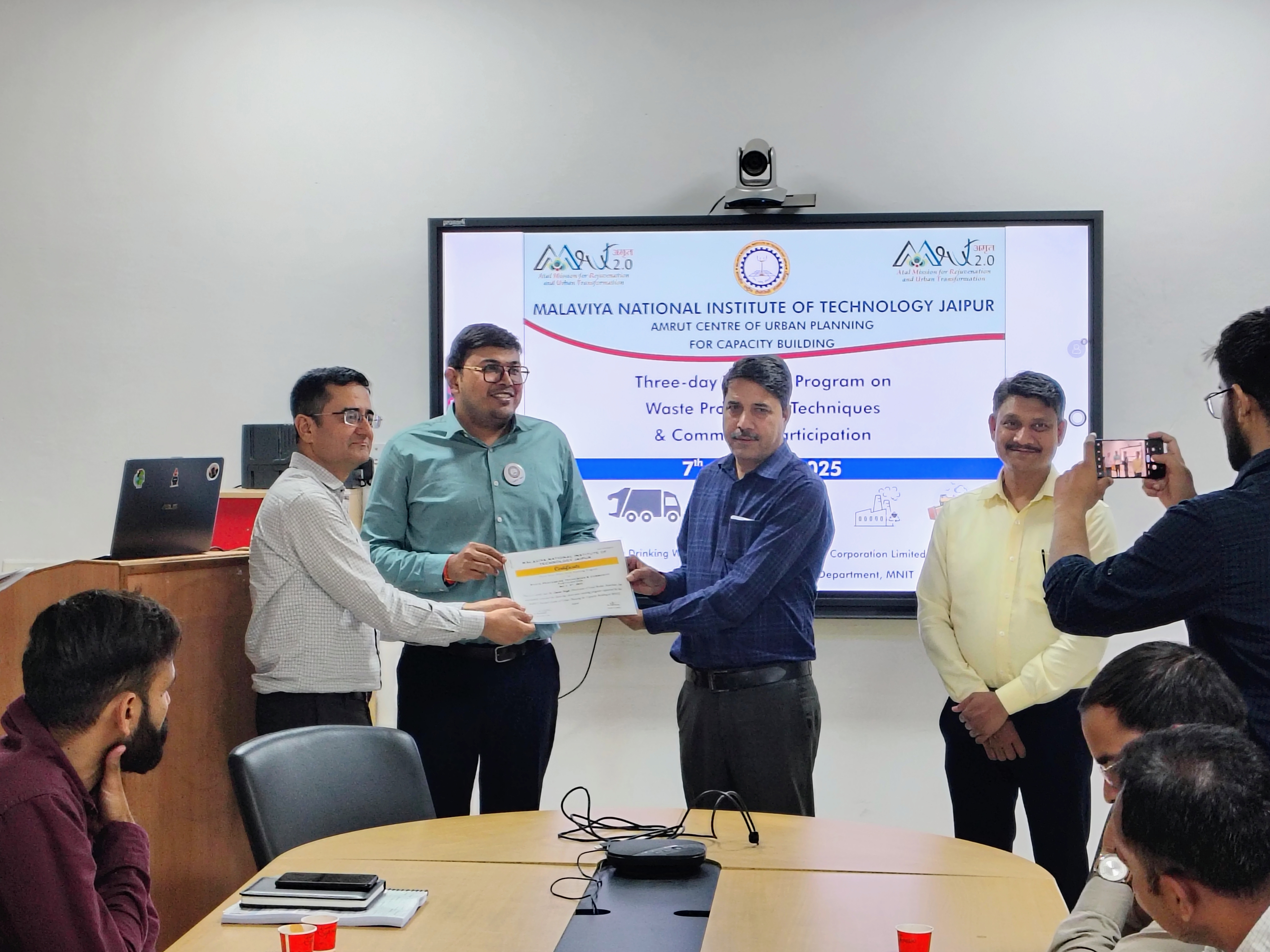
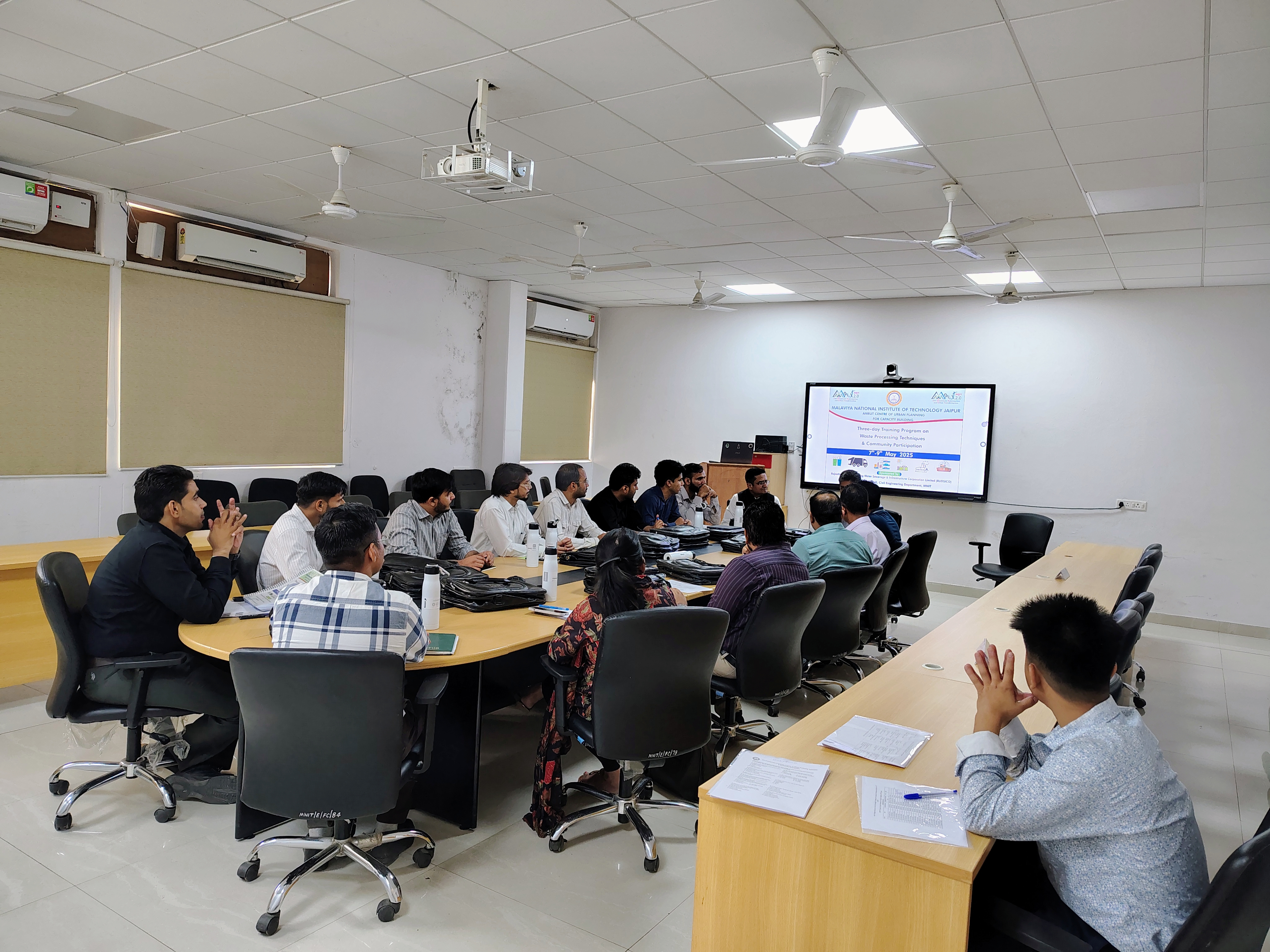
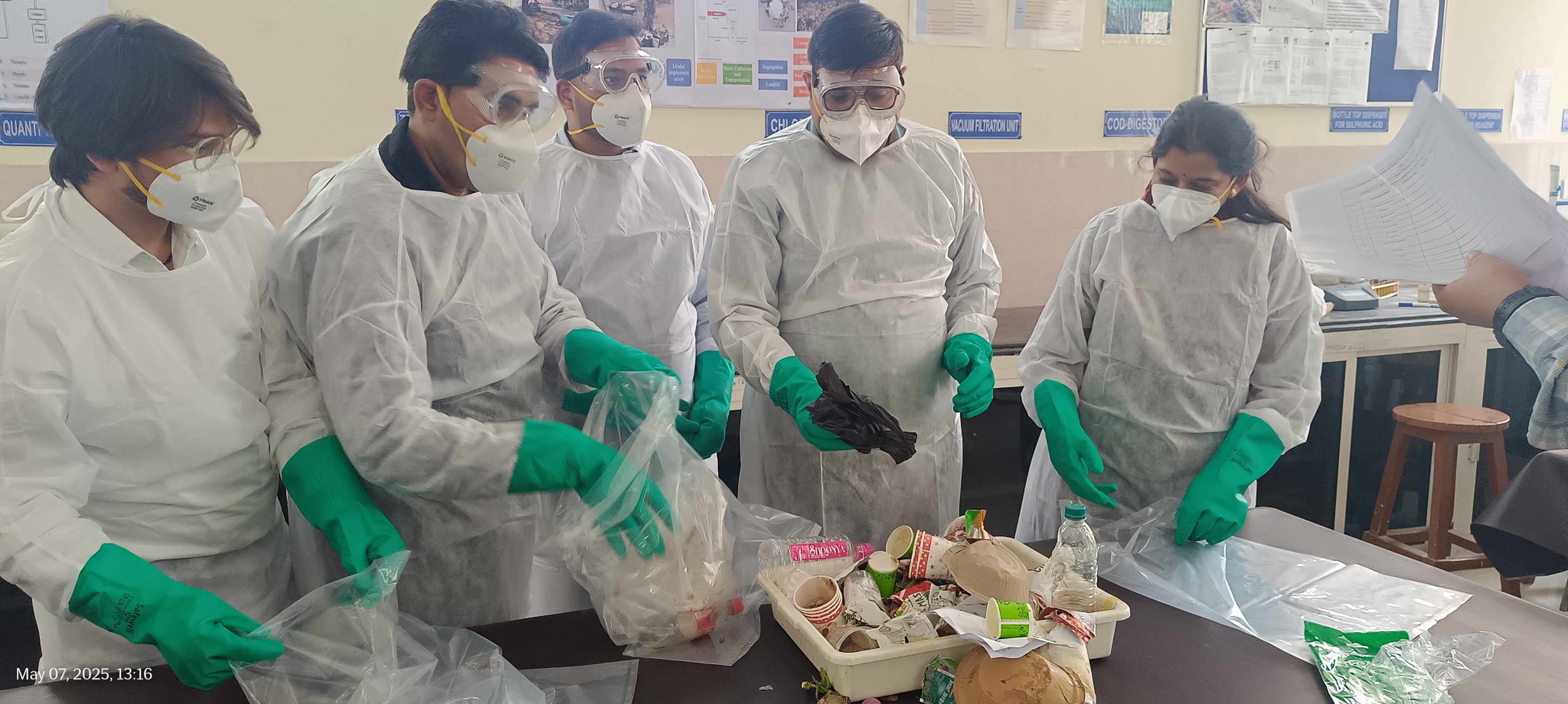
Dates: 2nd - 4th June, 2025
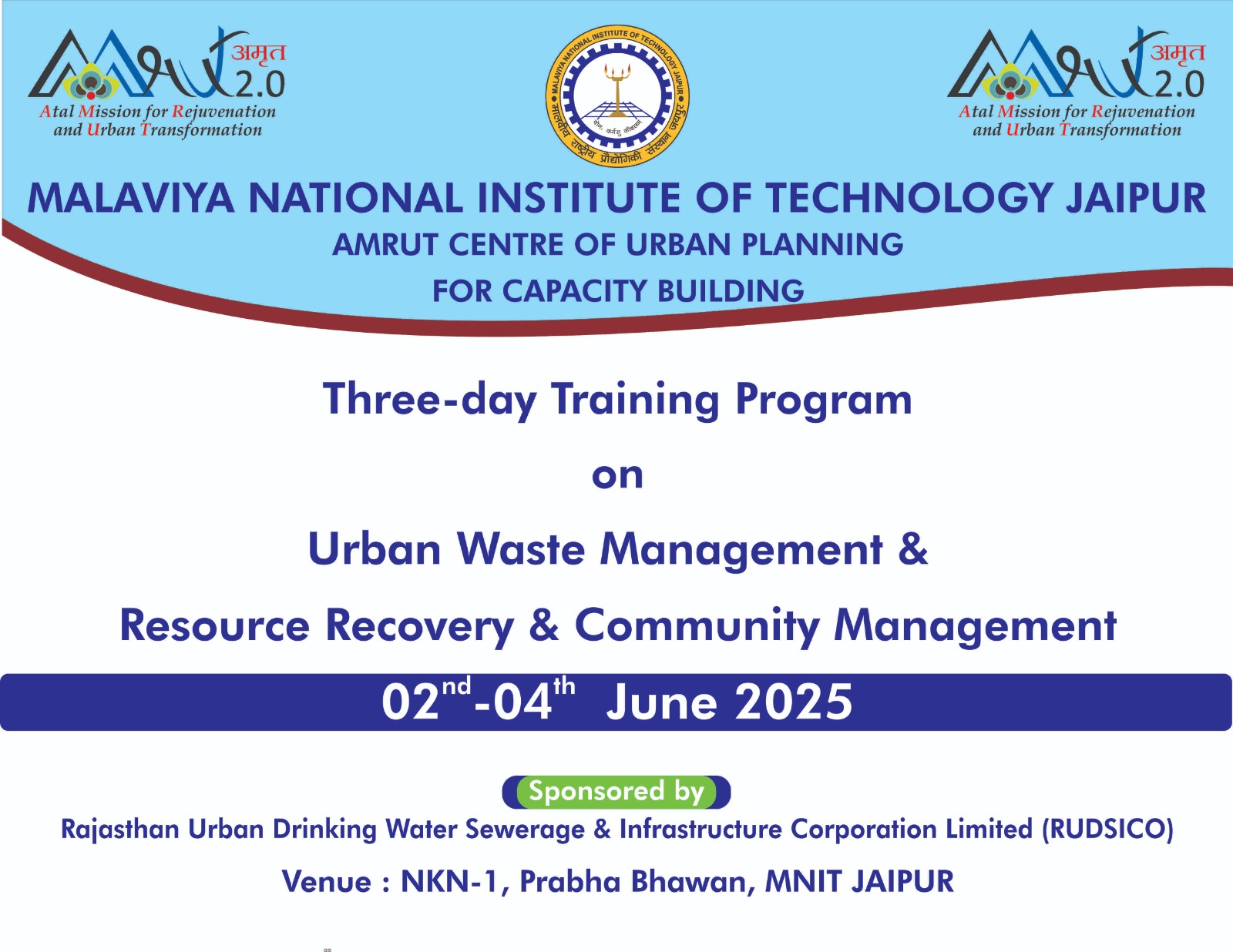
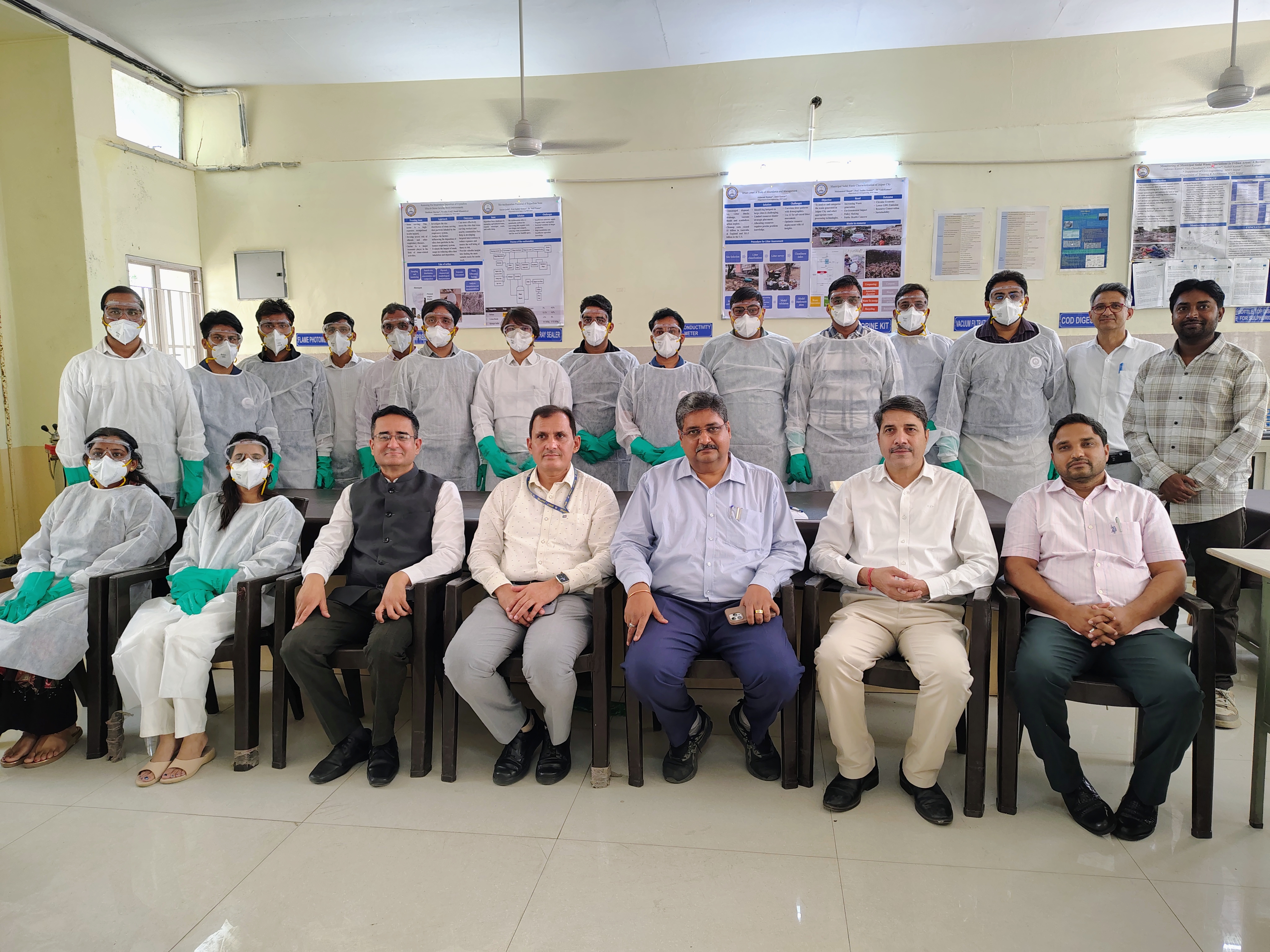
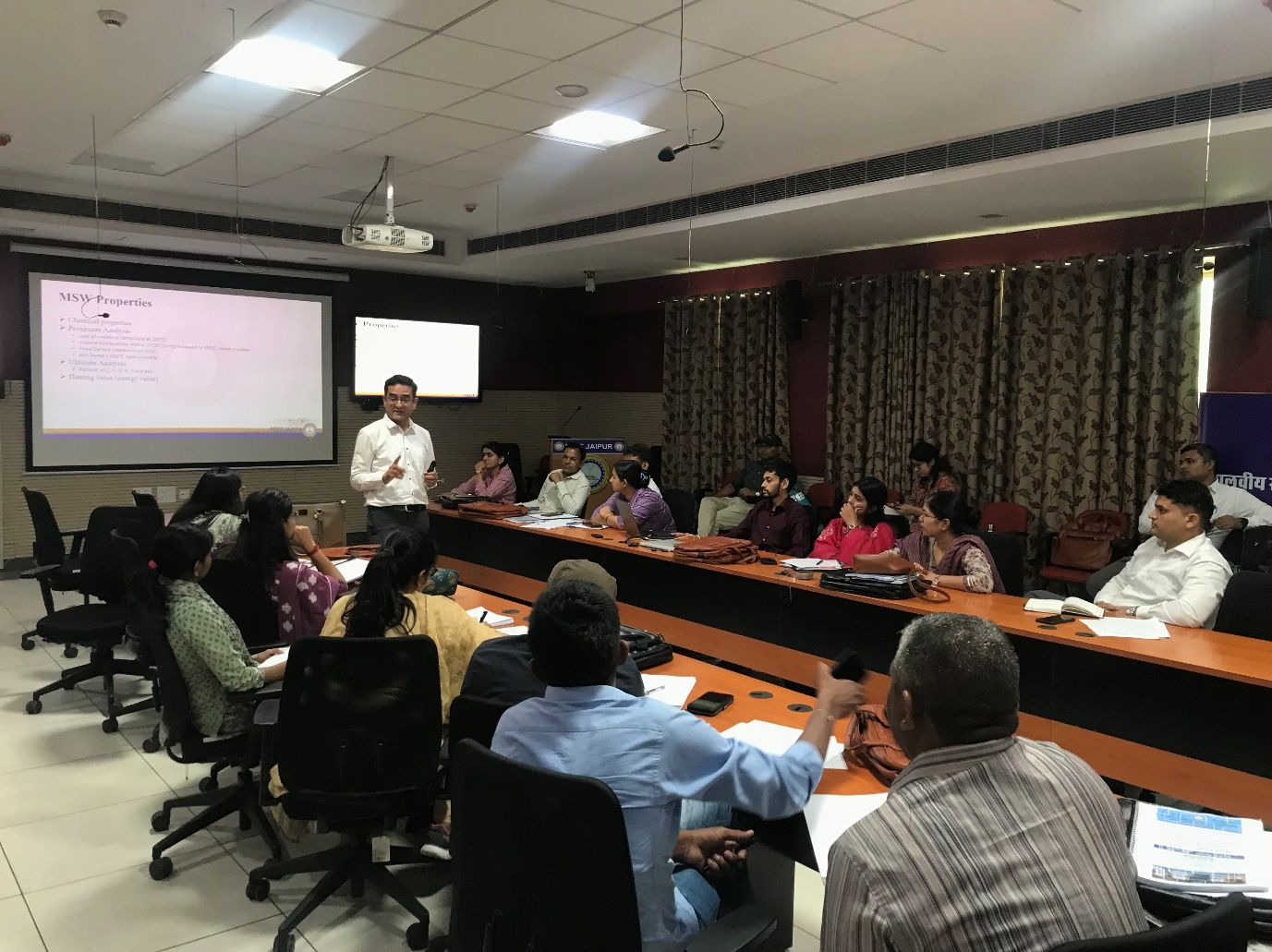
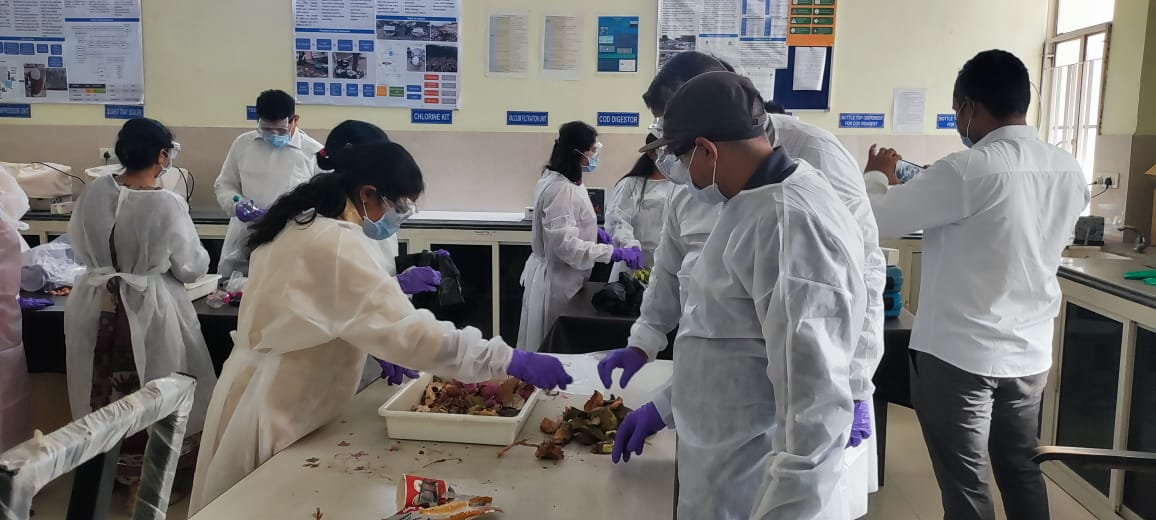
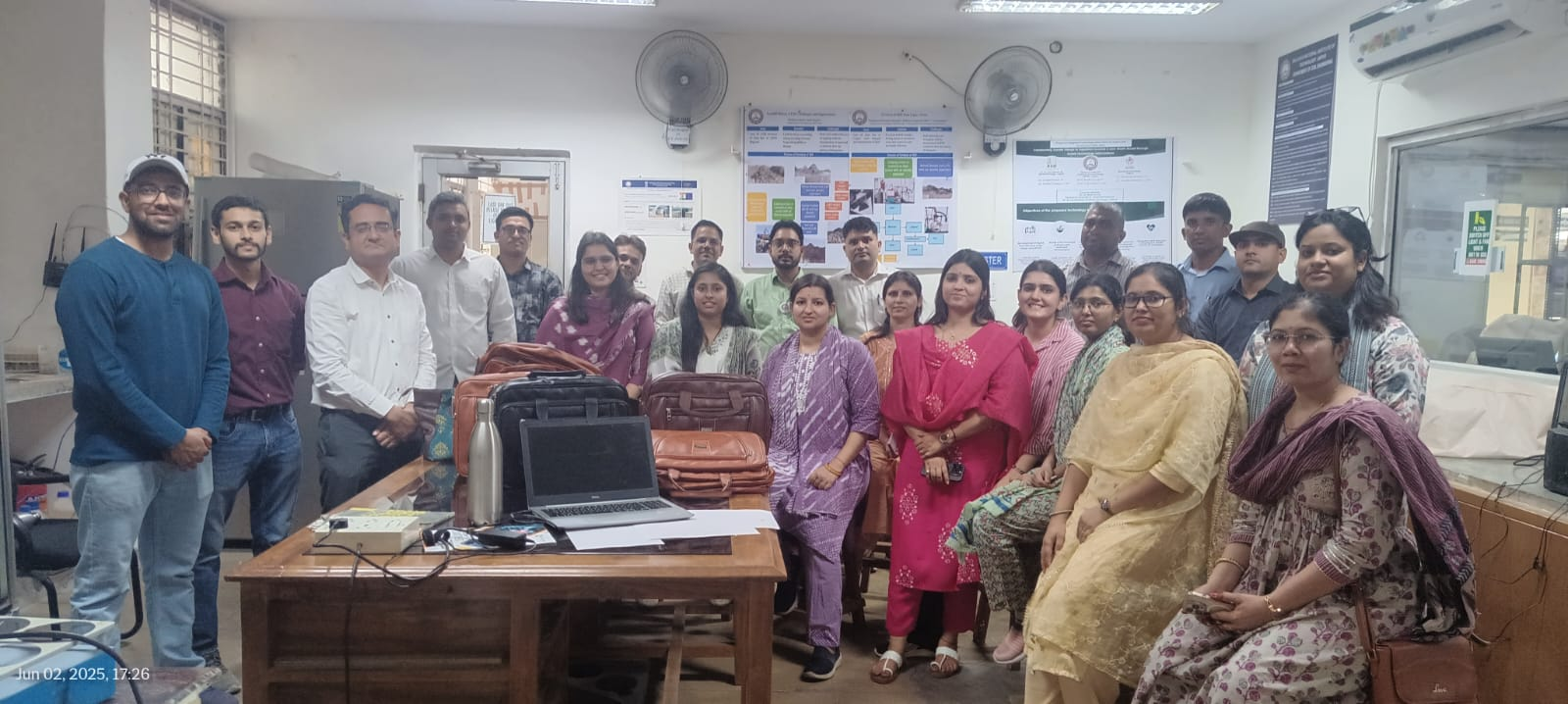
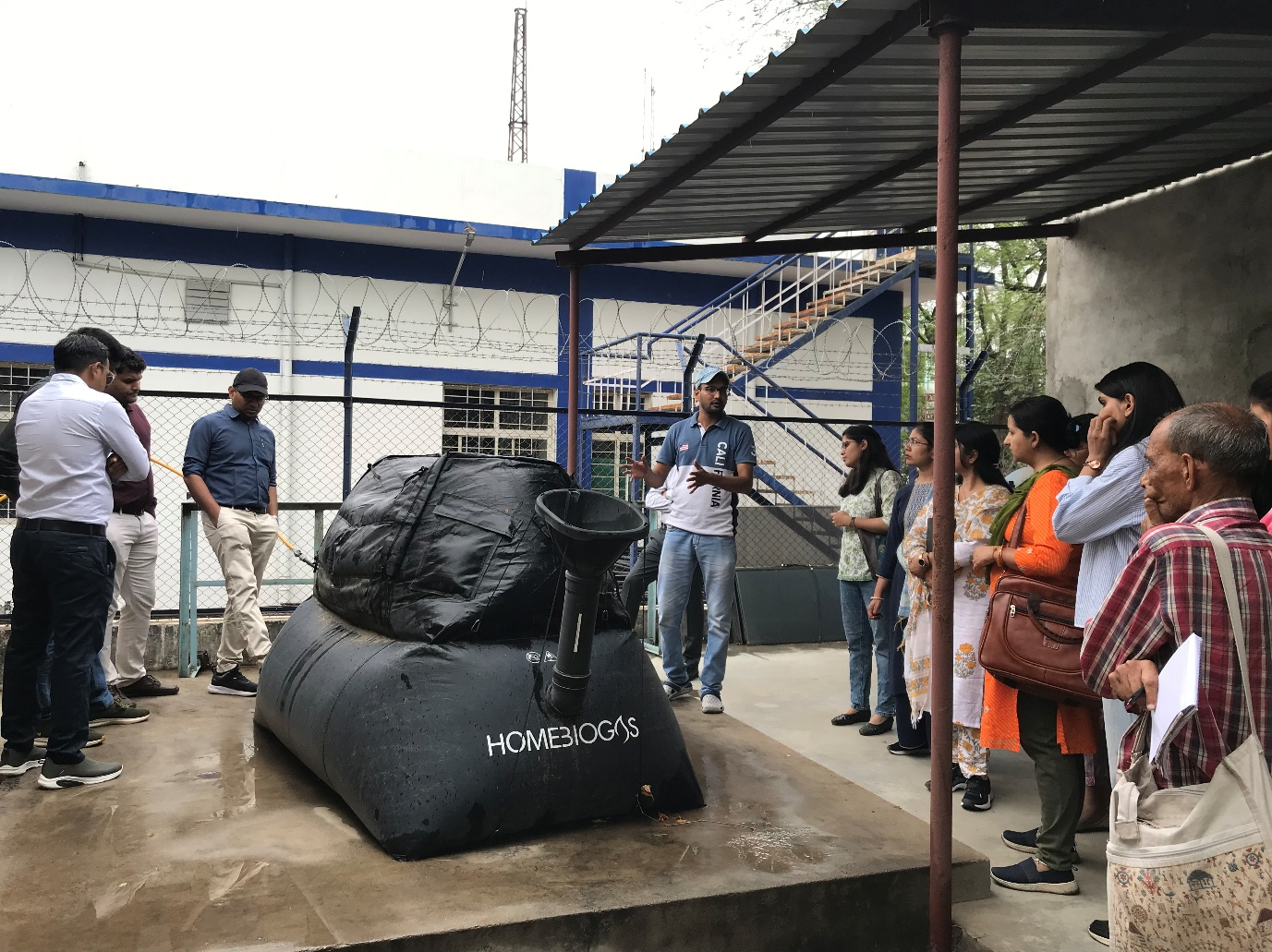
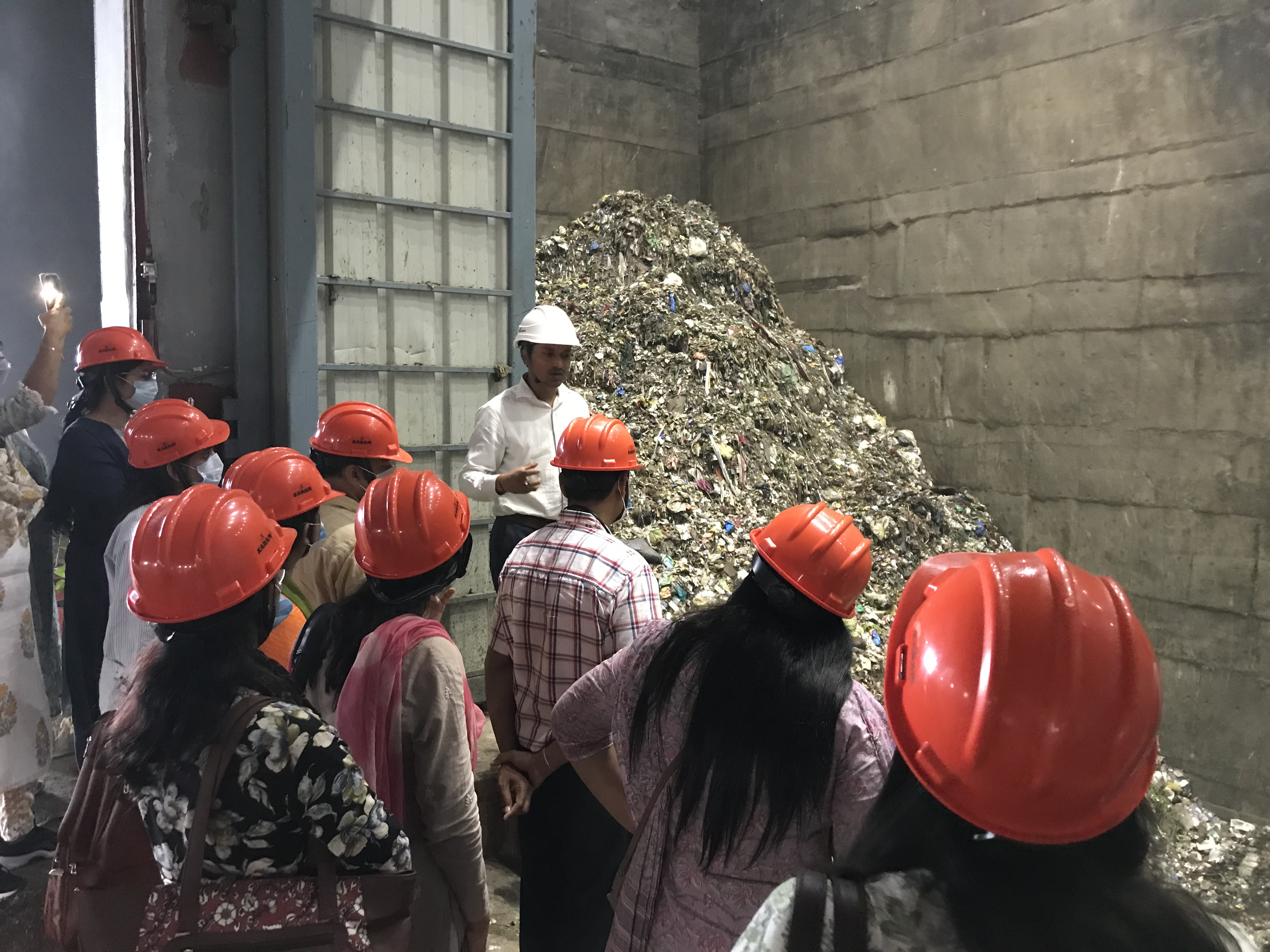
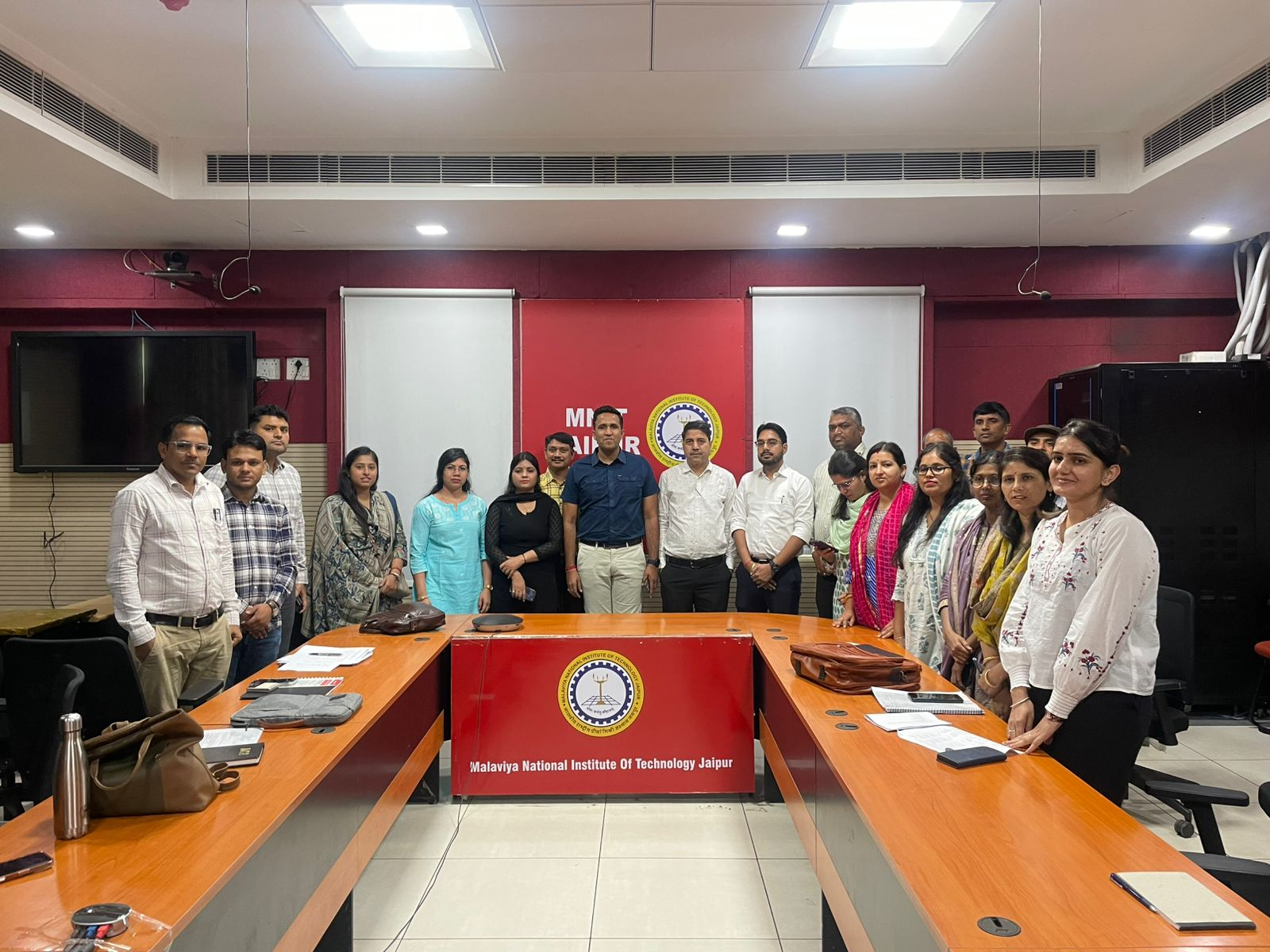
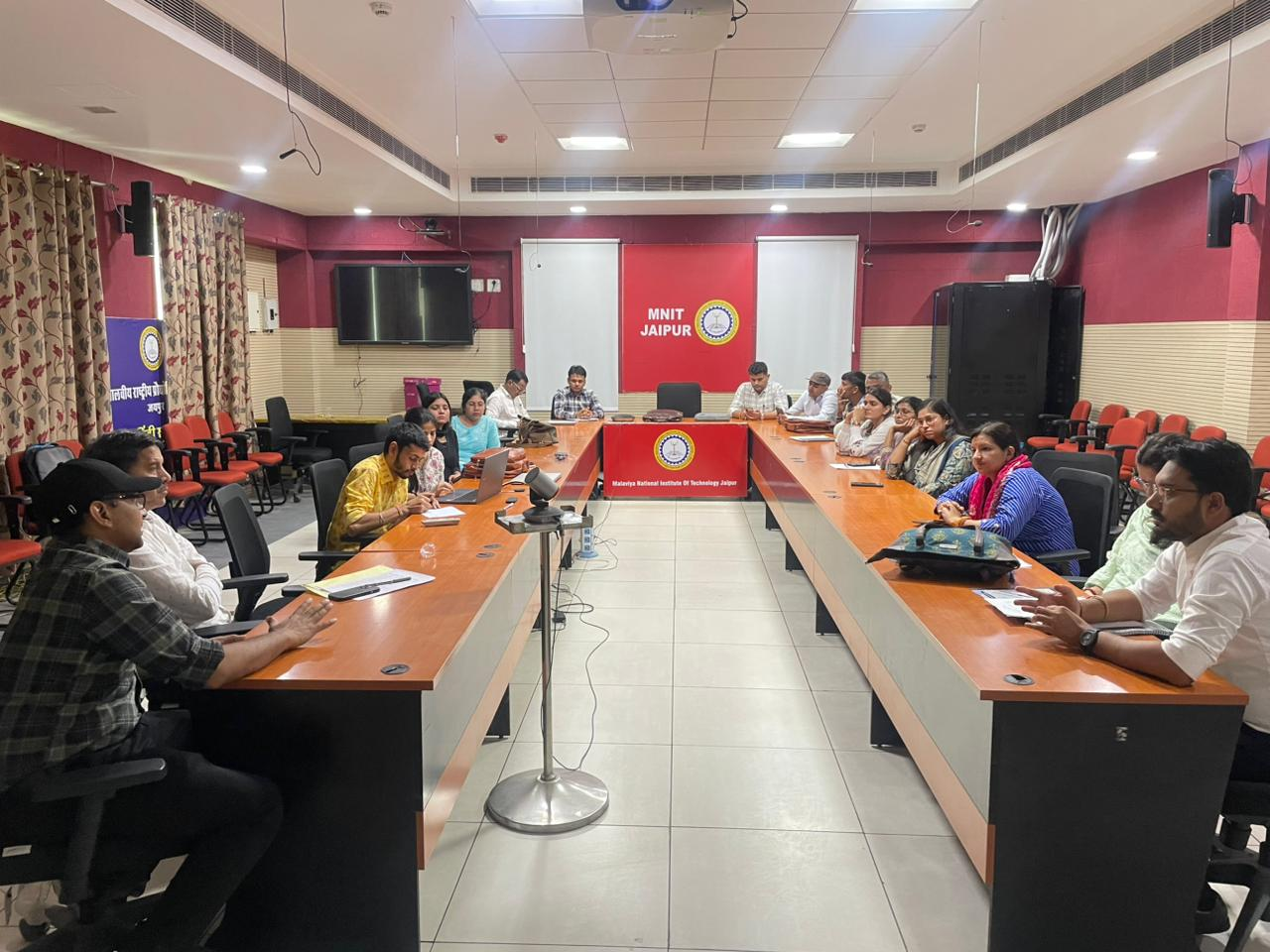
This three-day training program aimed to build technical competencies, practical insights, and policy-level understanding among environmental professionals, academicians, and municipal stakeholders on the challenges and opportunities in India’s urban waste management sector. The program brought together experts from academia, the private sector, and the government to deliver a well-rounded perspective on solid waste management (SWM), resource recovery technologies, decentralised approaches, and community engagement strategies. Structured to balance theory with practical exposure, the program also included hands-on lab visits, GIS-based exercises, and a field-oriented learning environment.
- Introduction to management of solid waste in Urban Scenario
- Management and material flow assessment of solid waste
- Role of community engagement in urban cleanliness
- Lab exercise on energy recovery from the solid waste
- Resource recovery and disposal of e-waste
- Processing of organic solid waste and recovery of valuable materials
- Visit to energy lab
- Geospatial Technologies and Solid Waste Management
- Hands on exercise on waste monitoring using GIS
- Best practices in SWM
- Challenges in solid waste management
- Methods for disposal of treated solid waste
- SWM rules 2024 & Decentralised waste management strategies
- Presentation & Feedback session
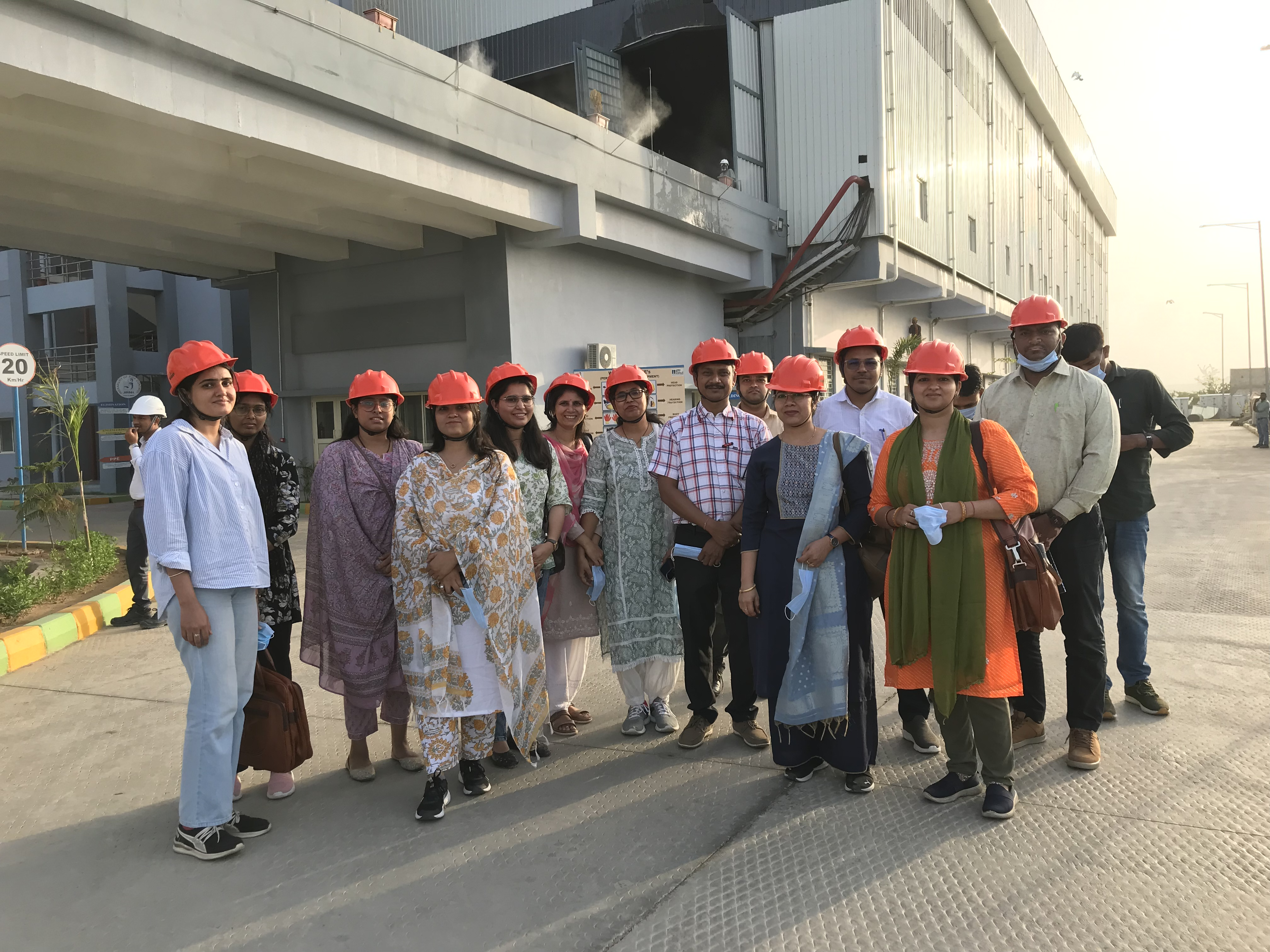
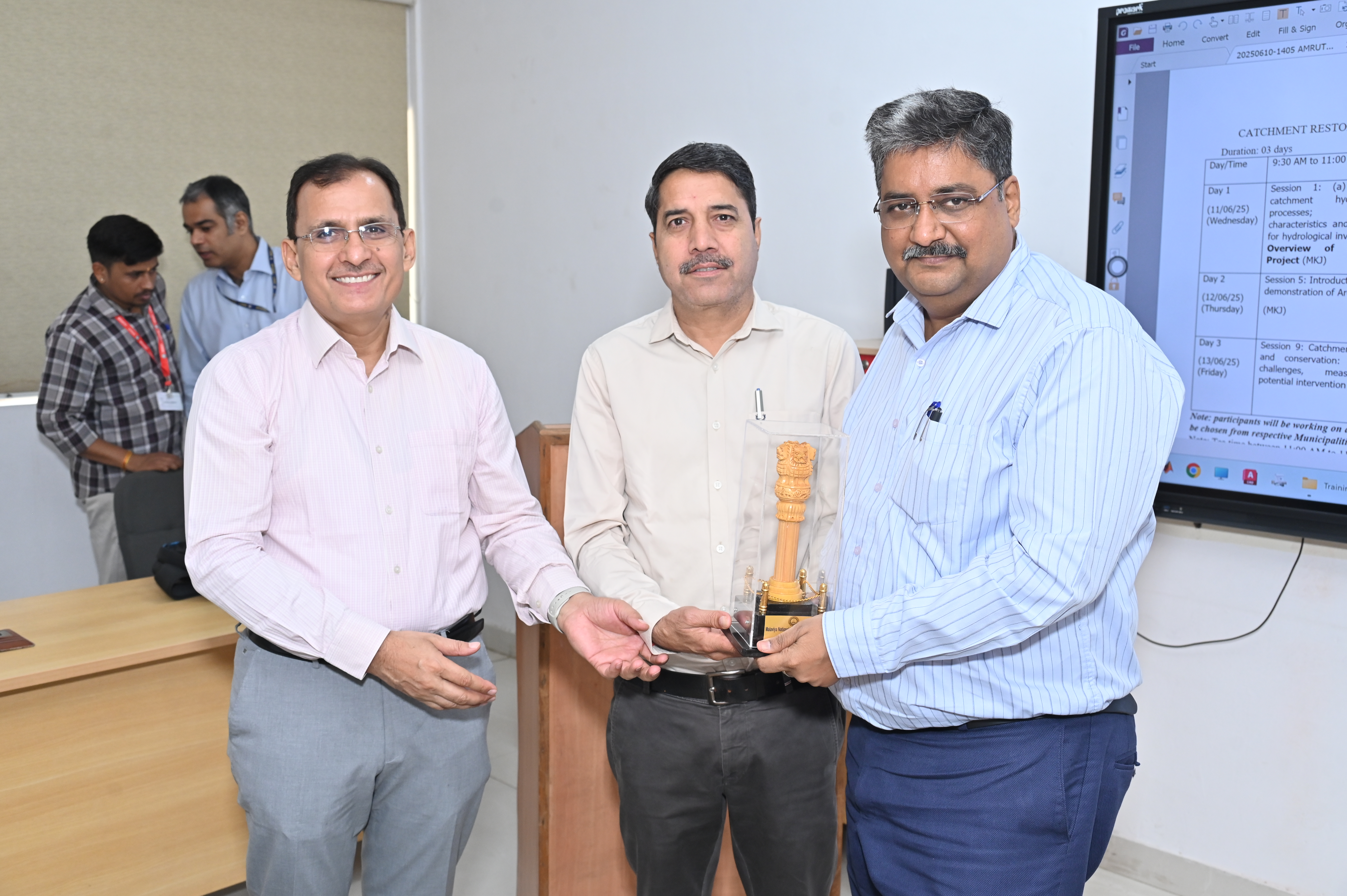
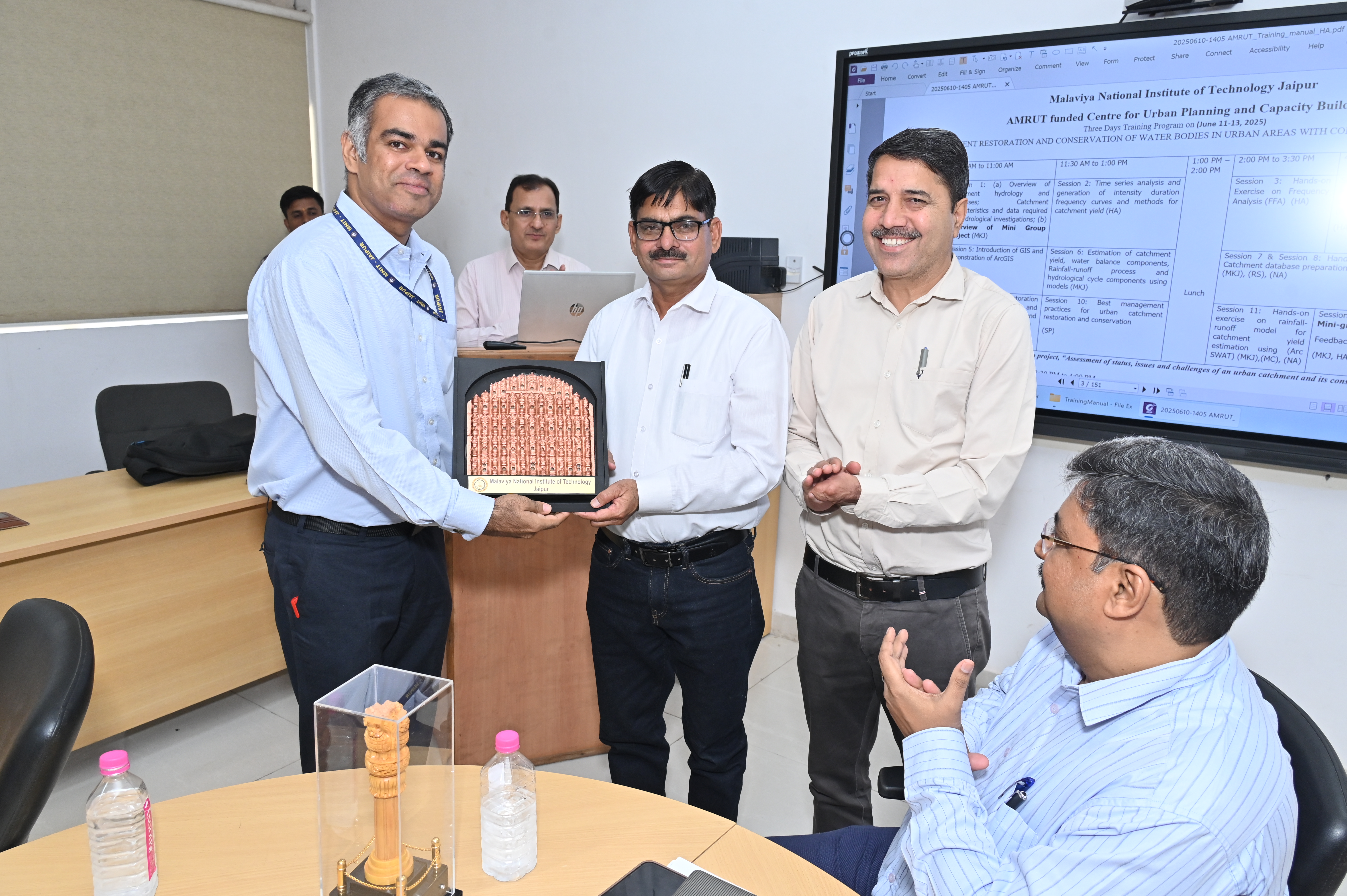
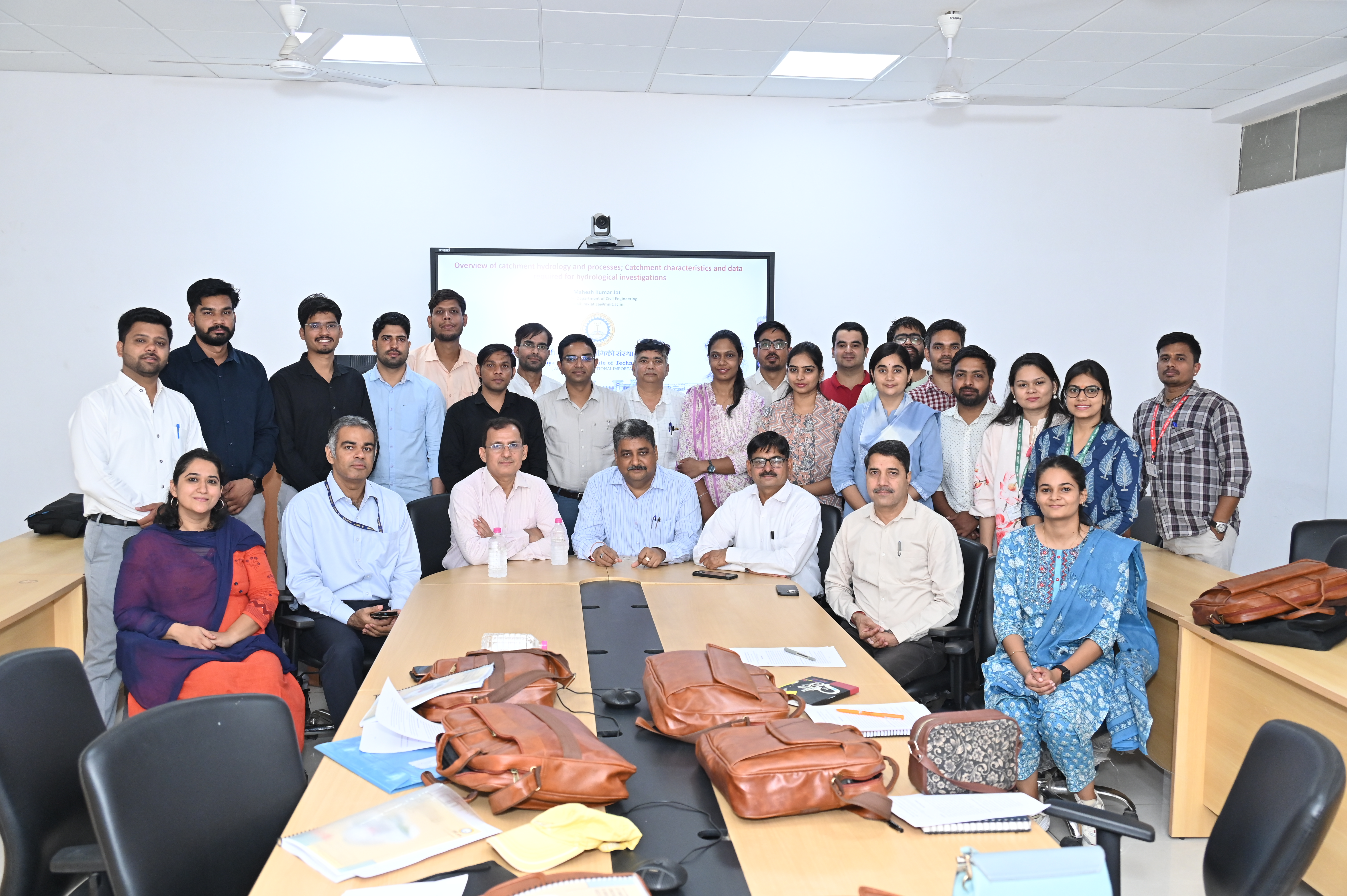
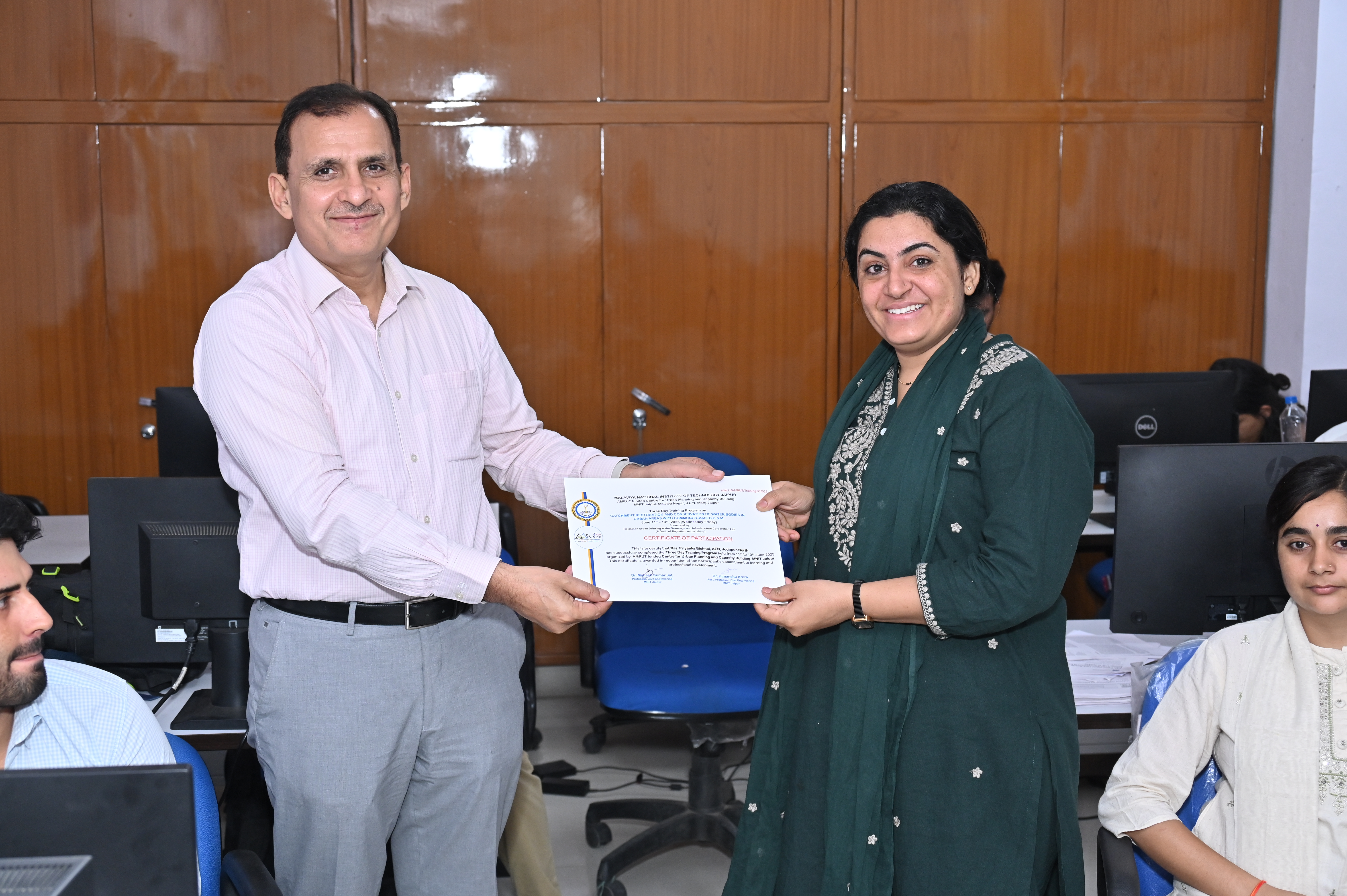
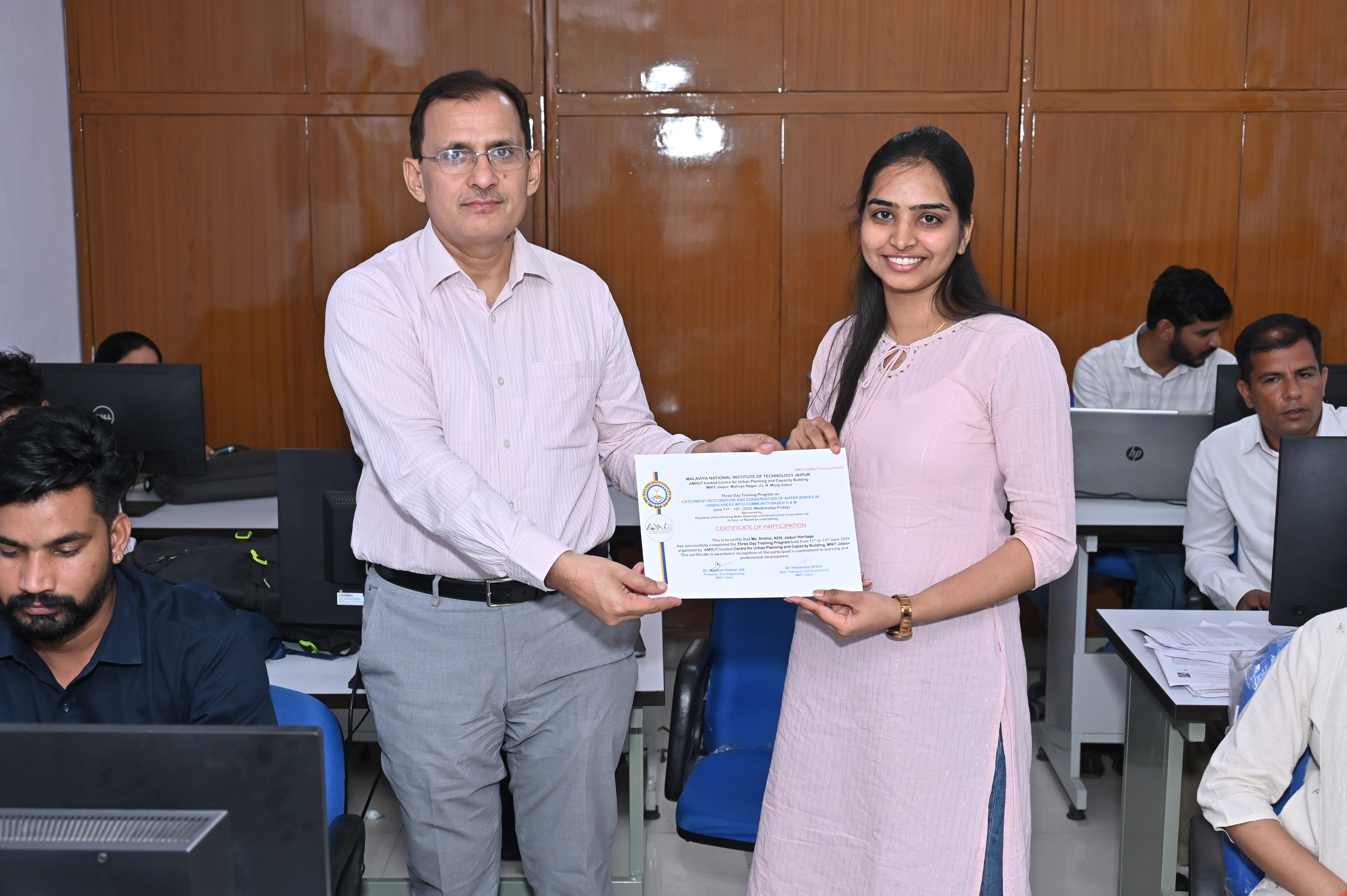
Dates: 11th - 13th June, 2025
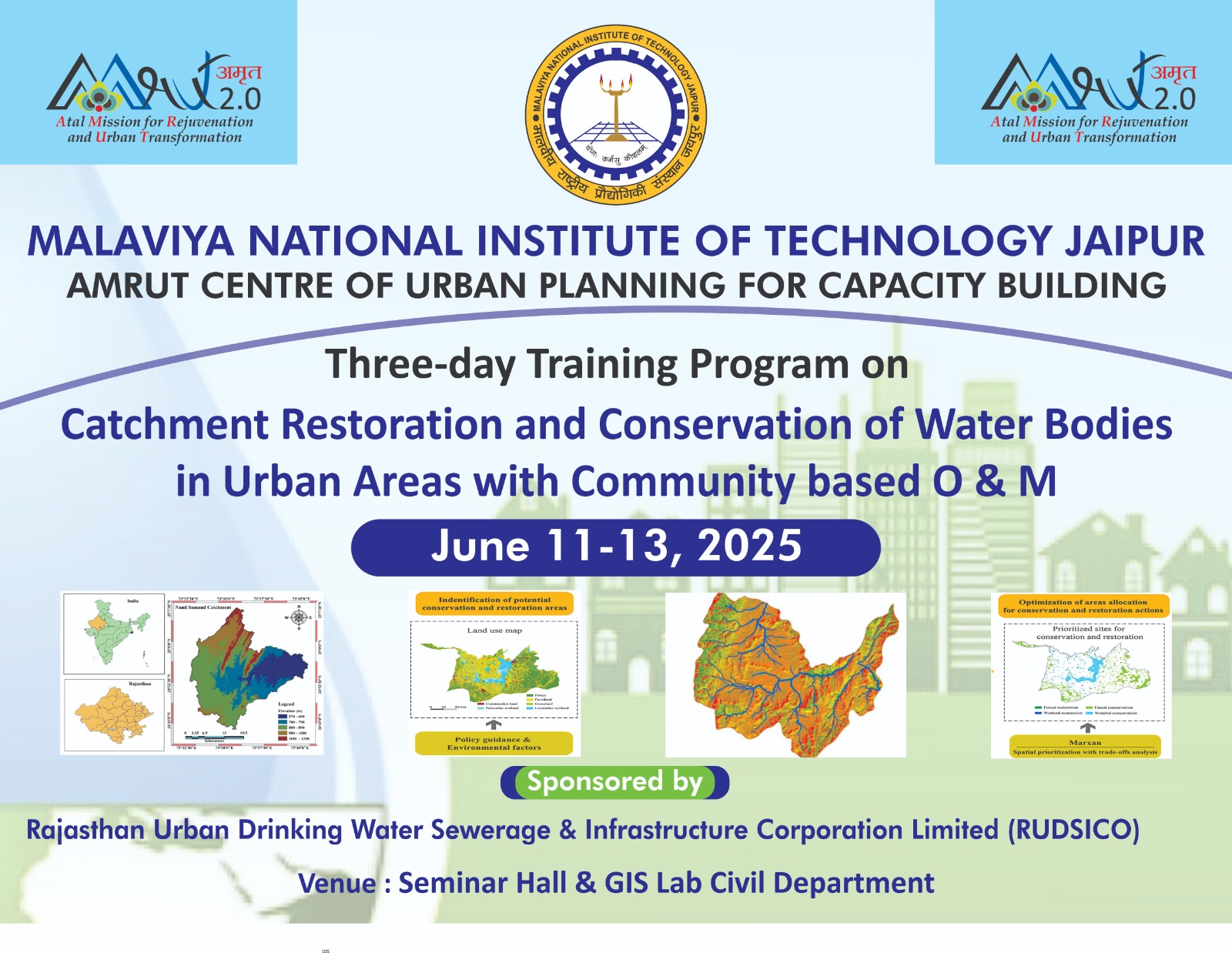
A three-day Short-Term Training Program (STTP) for engineers, organized by the AMRUT Centre for Urban Planning and Capacity Building at MNIT Jaipur, sponsored by Rajasthan Urban Drinking Water Sewerage and Infrastructure Corporation Ltd.(A Govt. of Rajasthan undertaking).
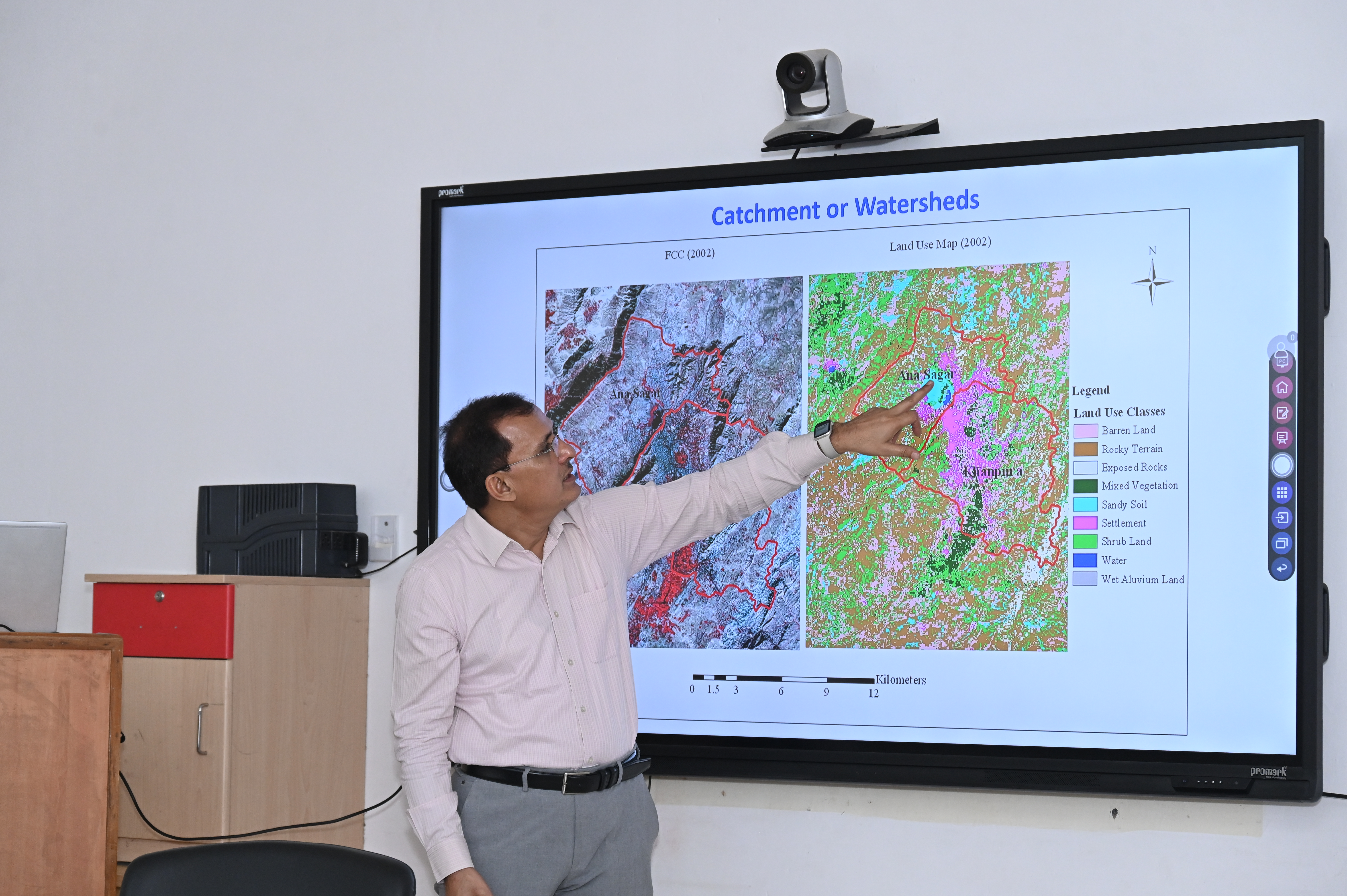
- Overview of catchment hydrology and processes; Catchment characteristics and data required for hydrological investigations
- Overview of Mini Group Project
- Time series analysis and generation of intensity duration frequency curves and methods for catchment yield
- Hands-on Exercise on Frequency Analysis
- Laboratory testing for estimation of infiltration,capturing meteorological data (AWS), and basic soil properties
- Introduction of GIS and demonstration of ArcGIS
- Estimation of catchment yield, water balance components, Rainfall-runoff process and hydrological cycle components using models
- Hands-on Training Exercise for Catchment database preparation in GIS
- Catchment restoration and conservation: Issues and challenges,measures and potential intervention works
- Best management practices for urban catchment restoration and conservation
- Hands-on exercise on rainfall-runoff model for catchment yield estimation using (ArcSWAT)
- Presentations of Mini-group Project
- Valedictory and Feedback Session
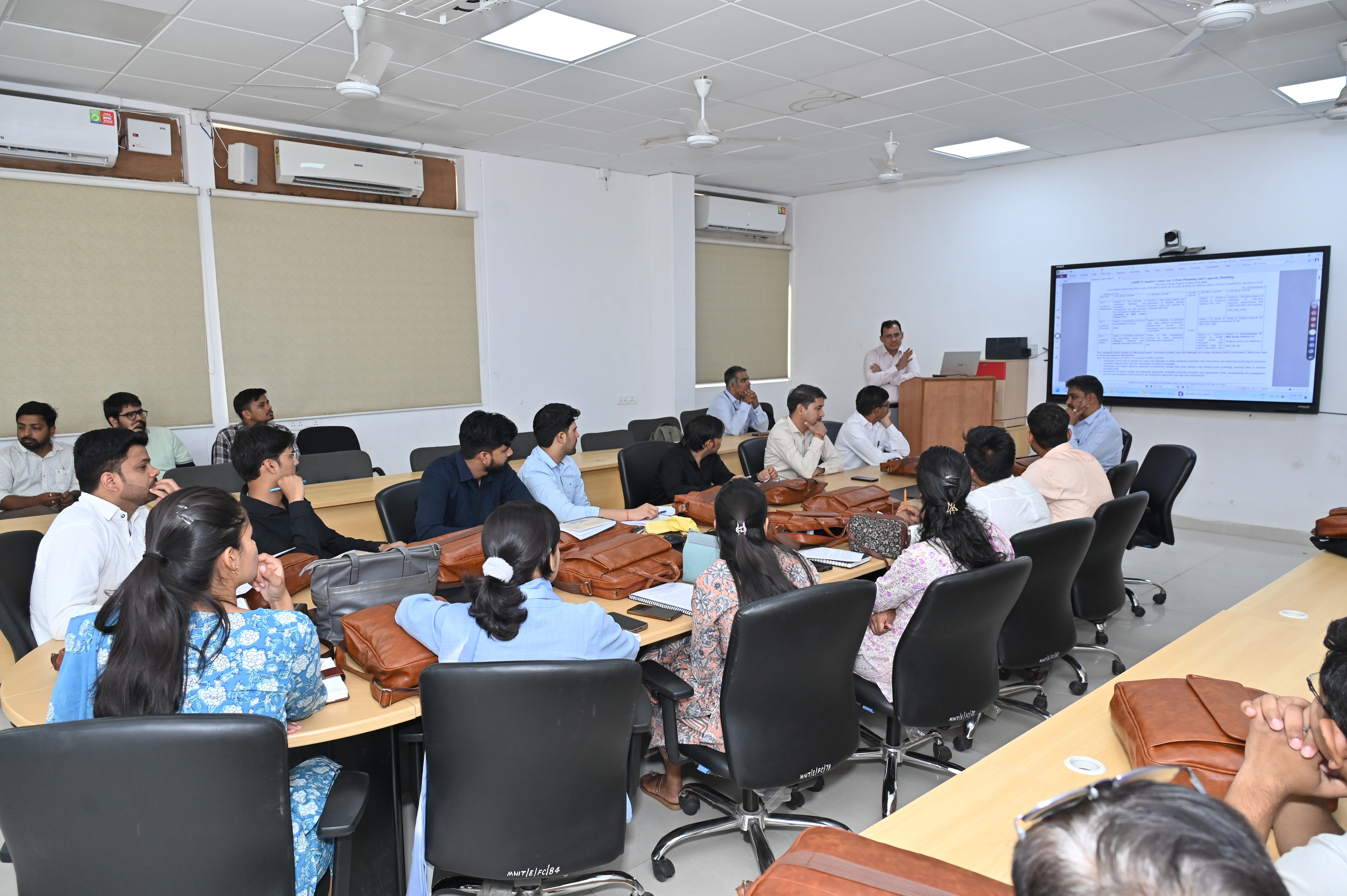
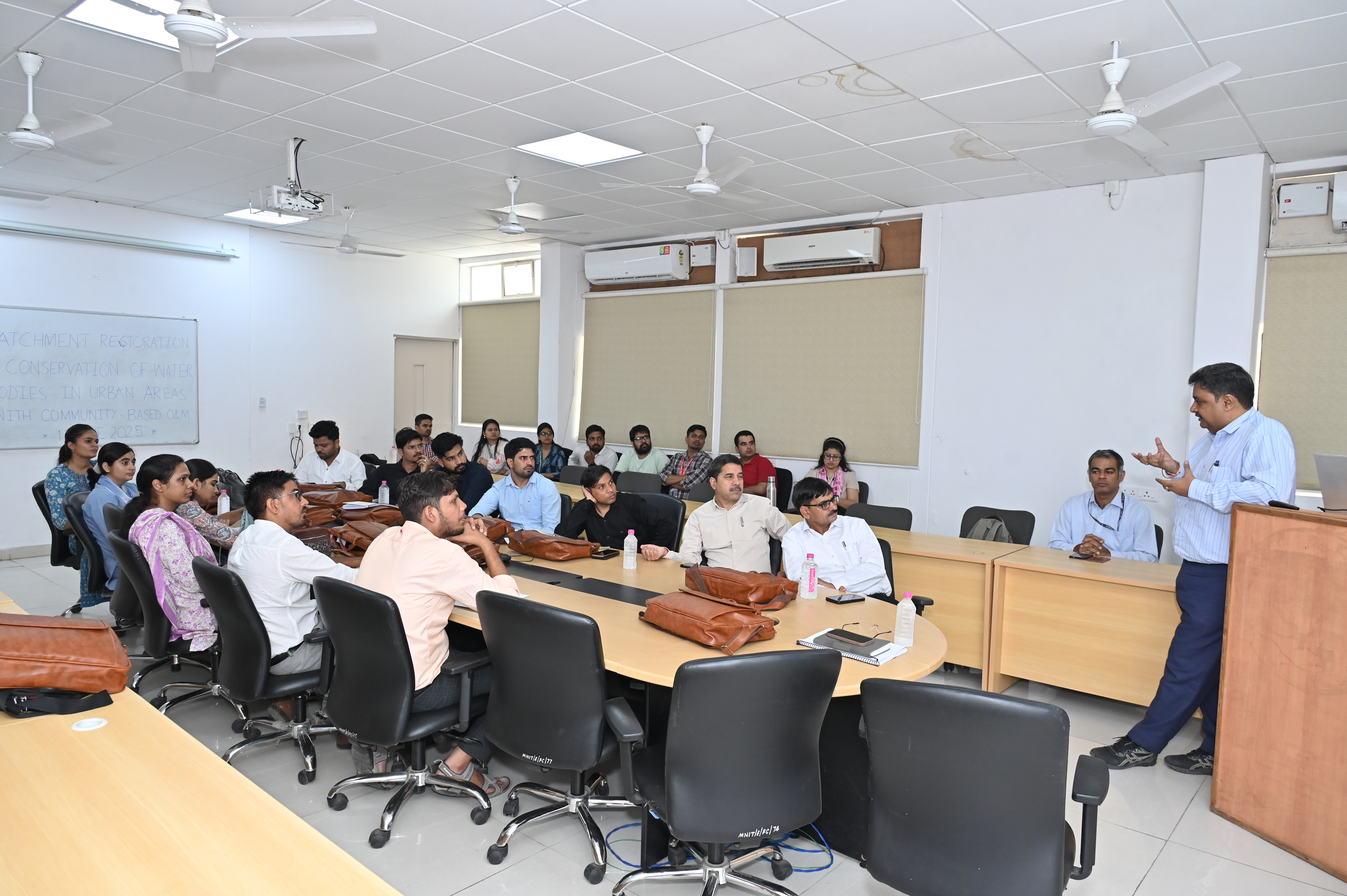
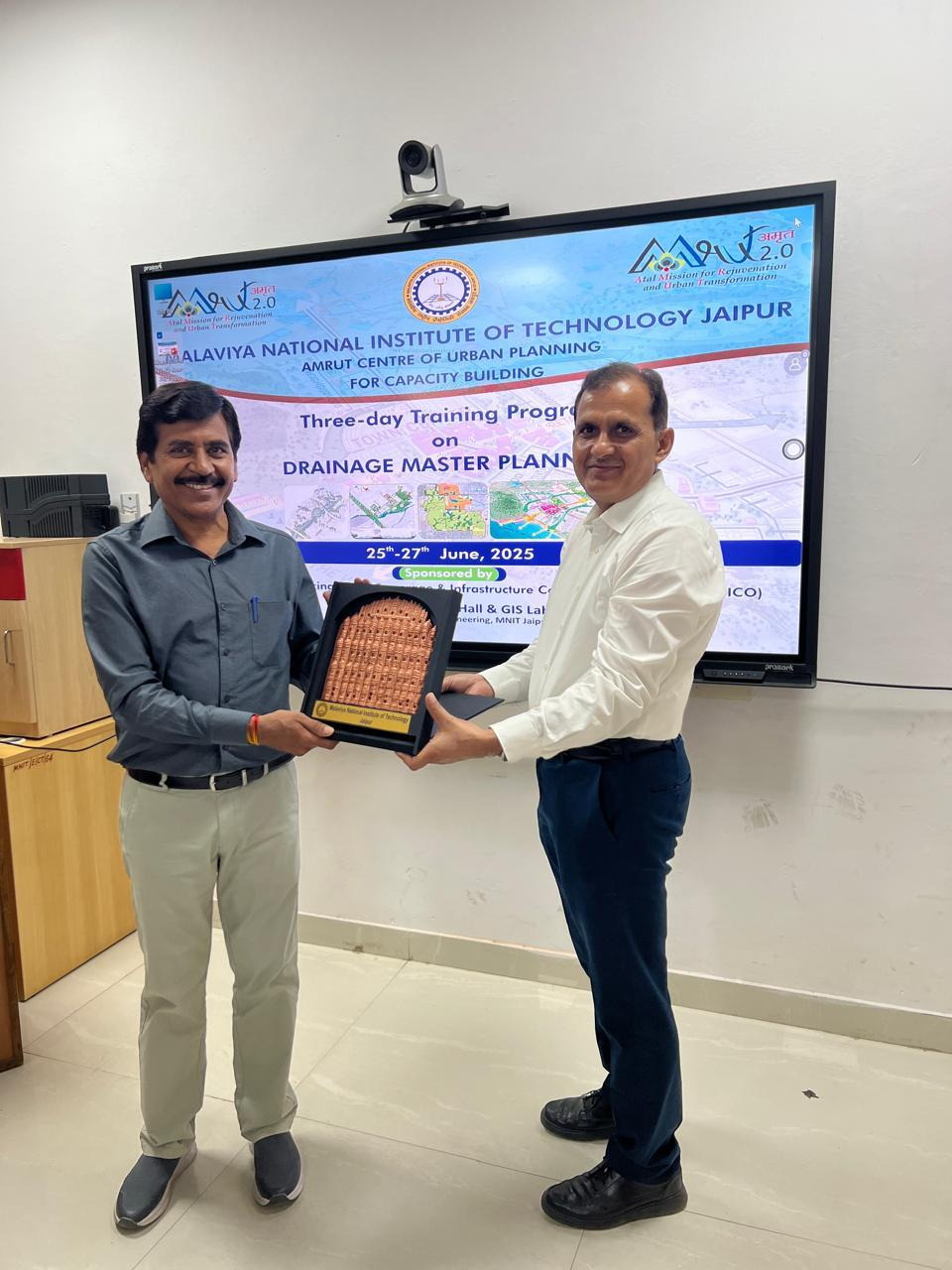
Dates: 25th - 27th June, 2025
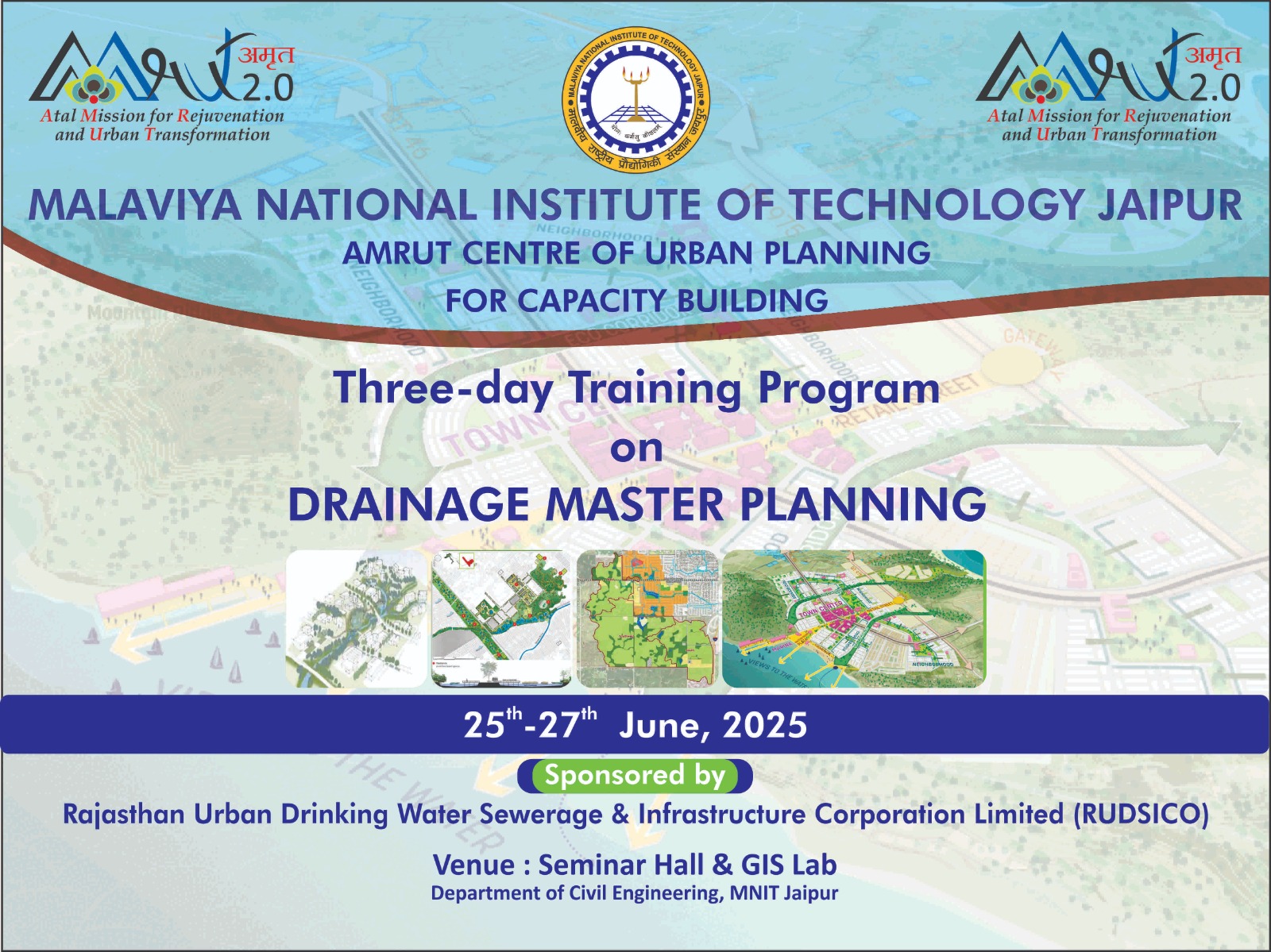
A three-day Short-Term Training Program (STTP) for engineers, organized by the AMRUT Centre for Urban Planning and Capacity Building at MNIT Jaipur, Sponsored by Rajasthan Urban Drinking Water Sewerage and Infrastructure Corporation Ltd.(A Govt. of Rajasthan undertaking), GoI.
- Water Resources System of cities: Hydrological cycle,system characteristics,system components, issues and challenges
- Hydrological data required for the stormwater drainage system planning & design and field investigations
- Building bylaws and provisions for drainage systems for cities
- Catchment database preparation in GIS forhydrological analysis
- Time series analysis and generation of intensity duration frequency curves, and estimation of design rainfall
- Rainfall-runoff modelling and estimation of hydrological cycle components
- Estimation of Design Flows for drainage design and flow routing (SWMM)
- Tutorial exercise on IDF curve generation
- Drainage Master Planning: Planning of drainage systems for cities and planning provisions, selection of the type of drains and network.
- Design of the drainage system
- Hands-on exercise on rainfall-runoff modelling (SWMM)
- Feedback session valedictory
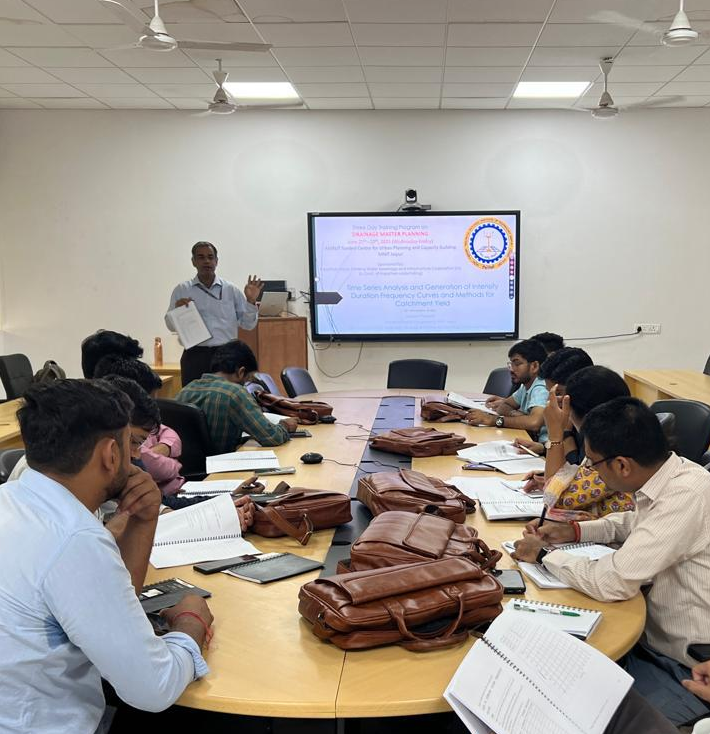
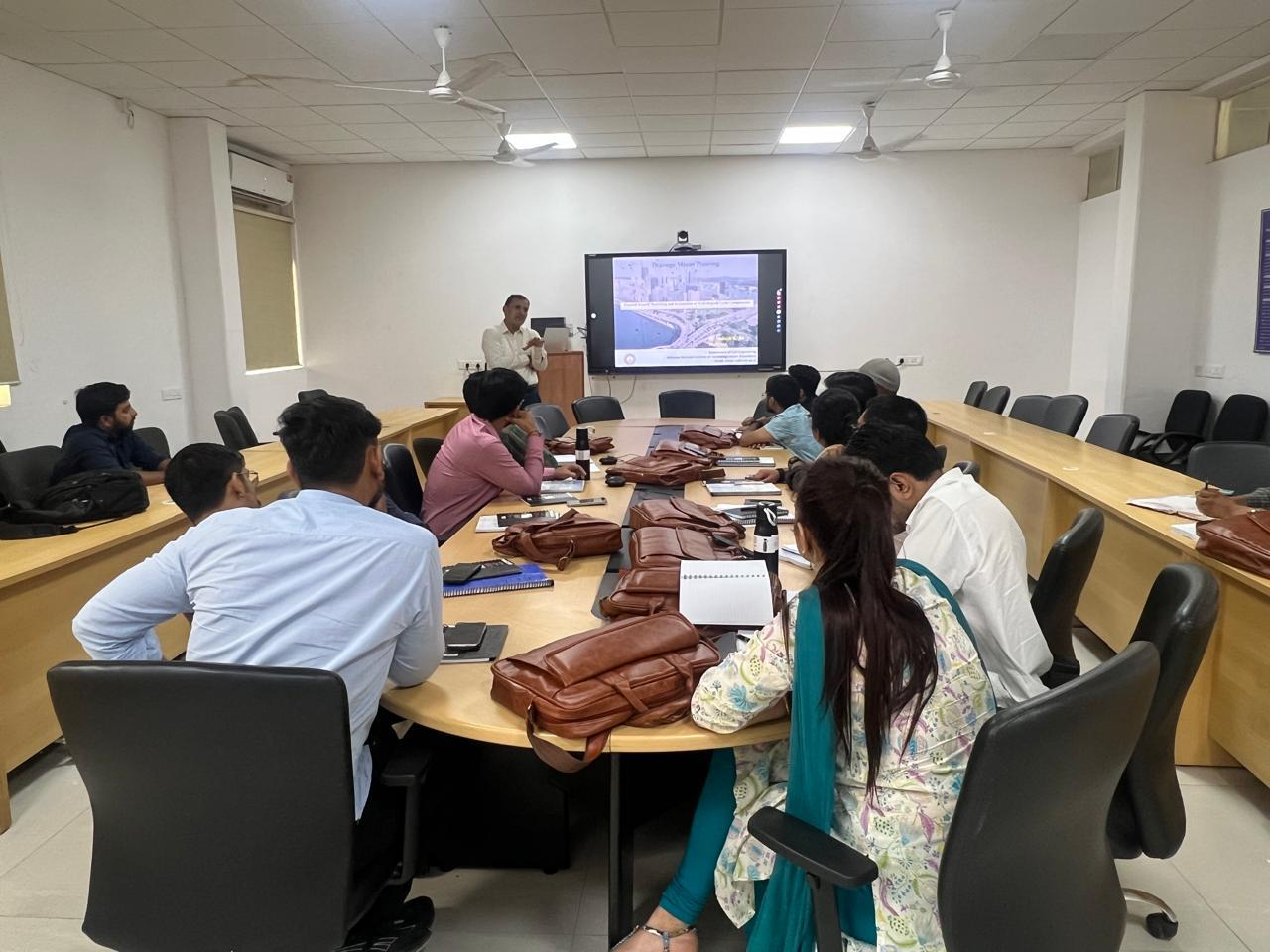
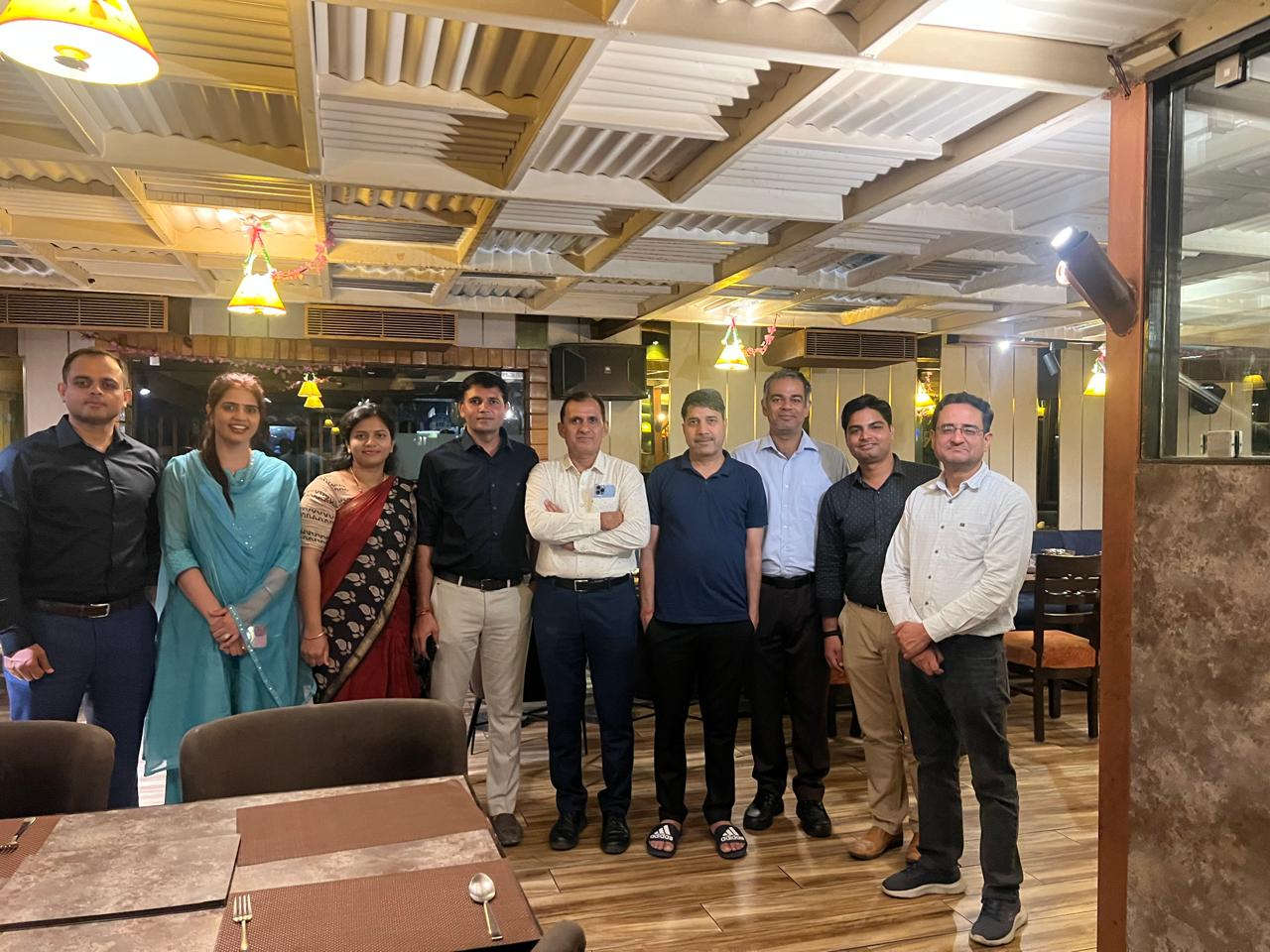
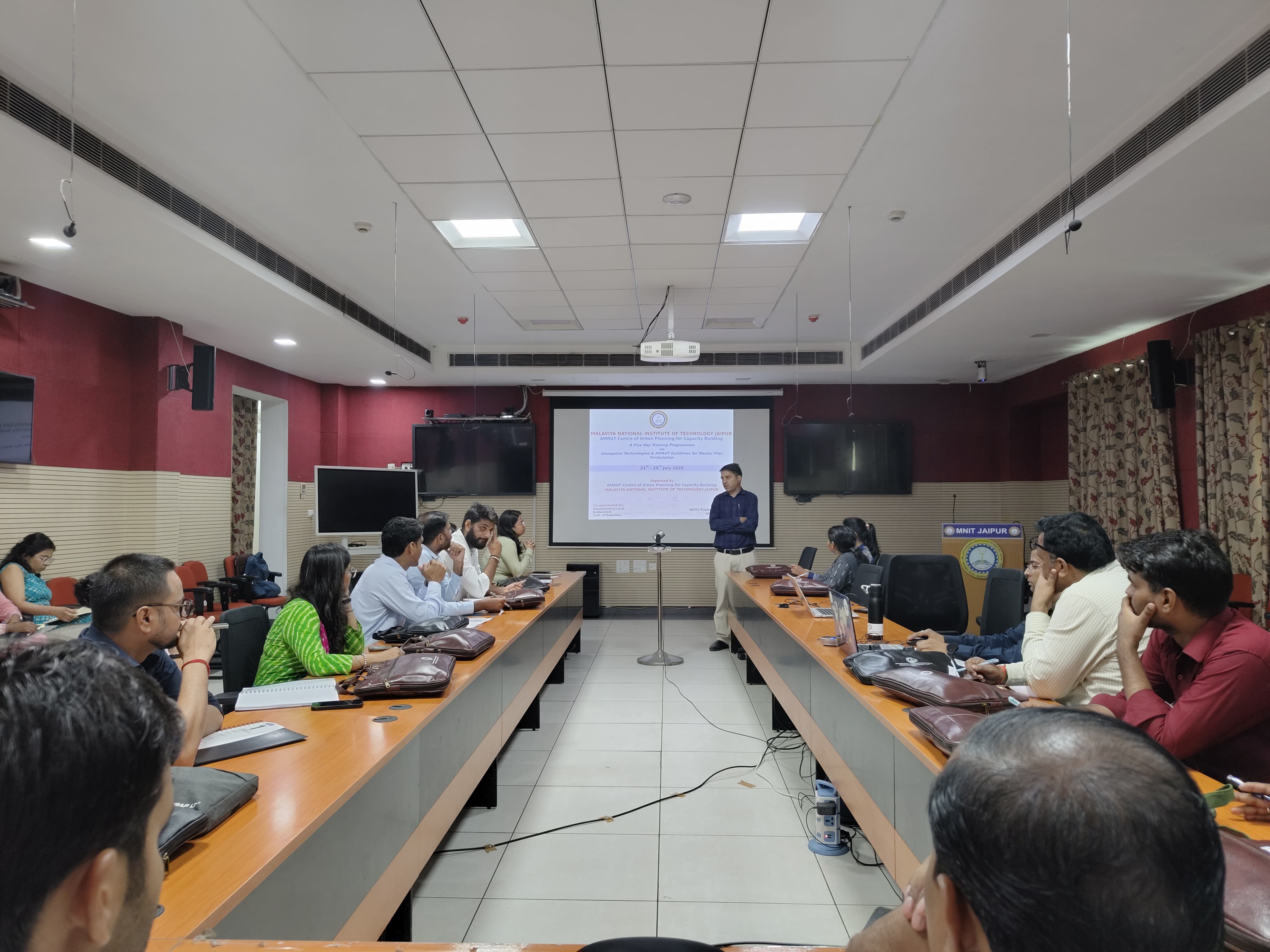
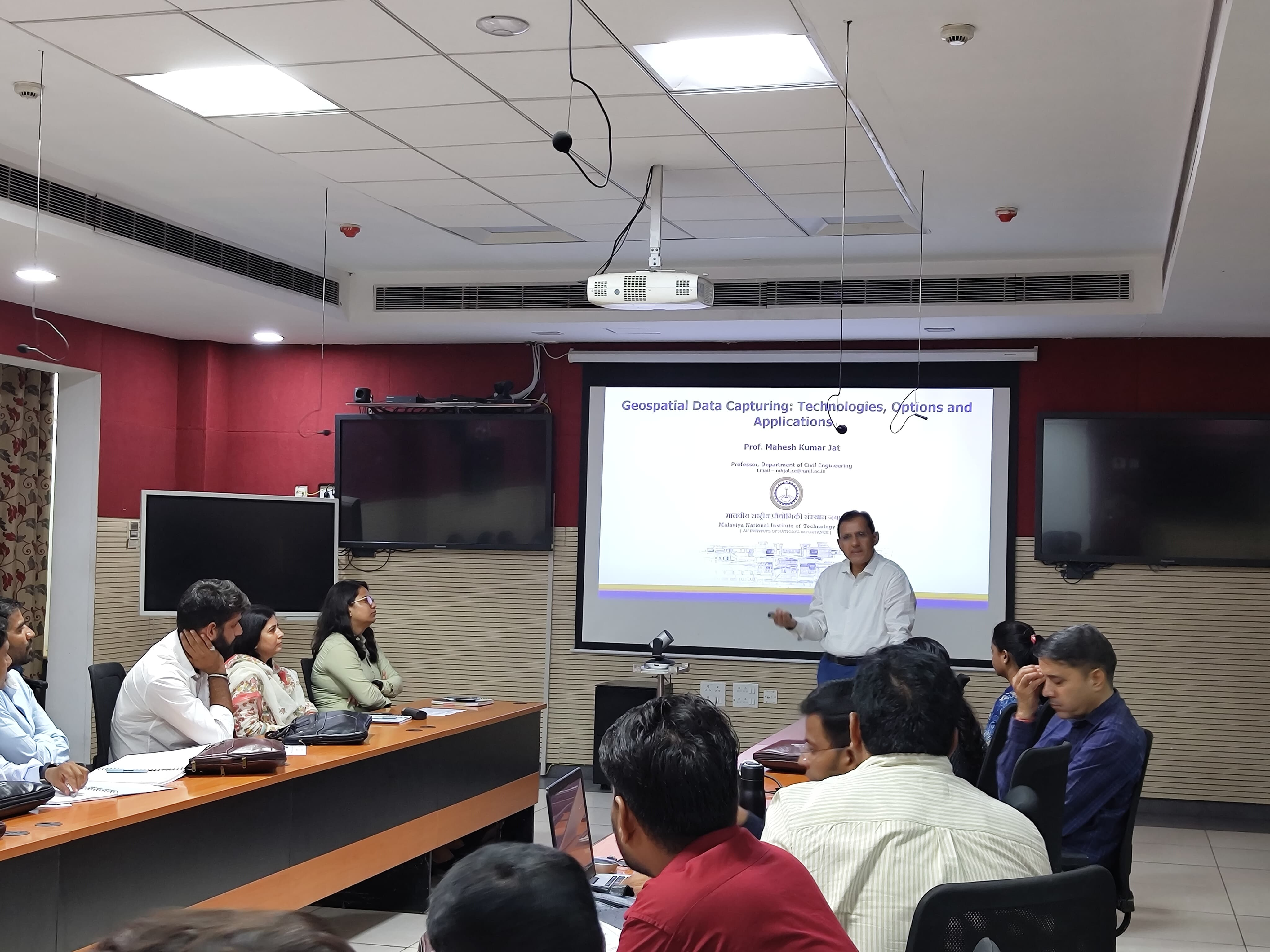
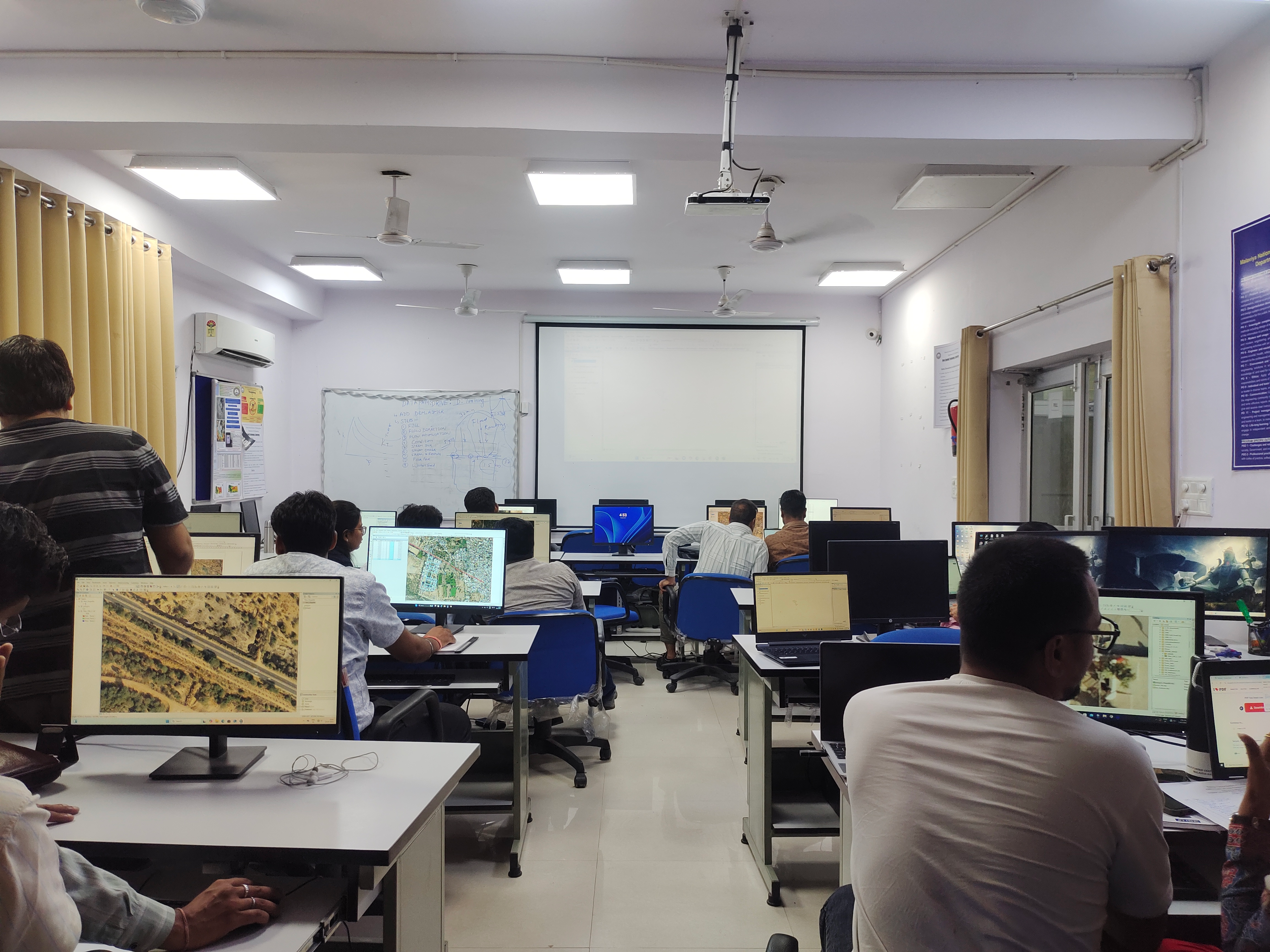
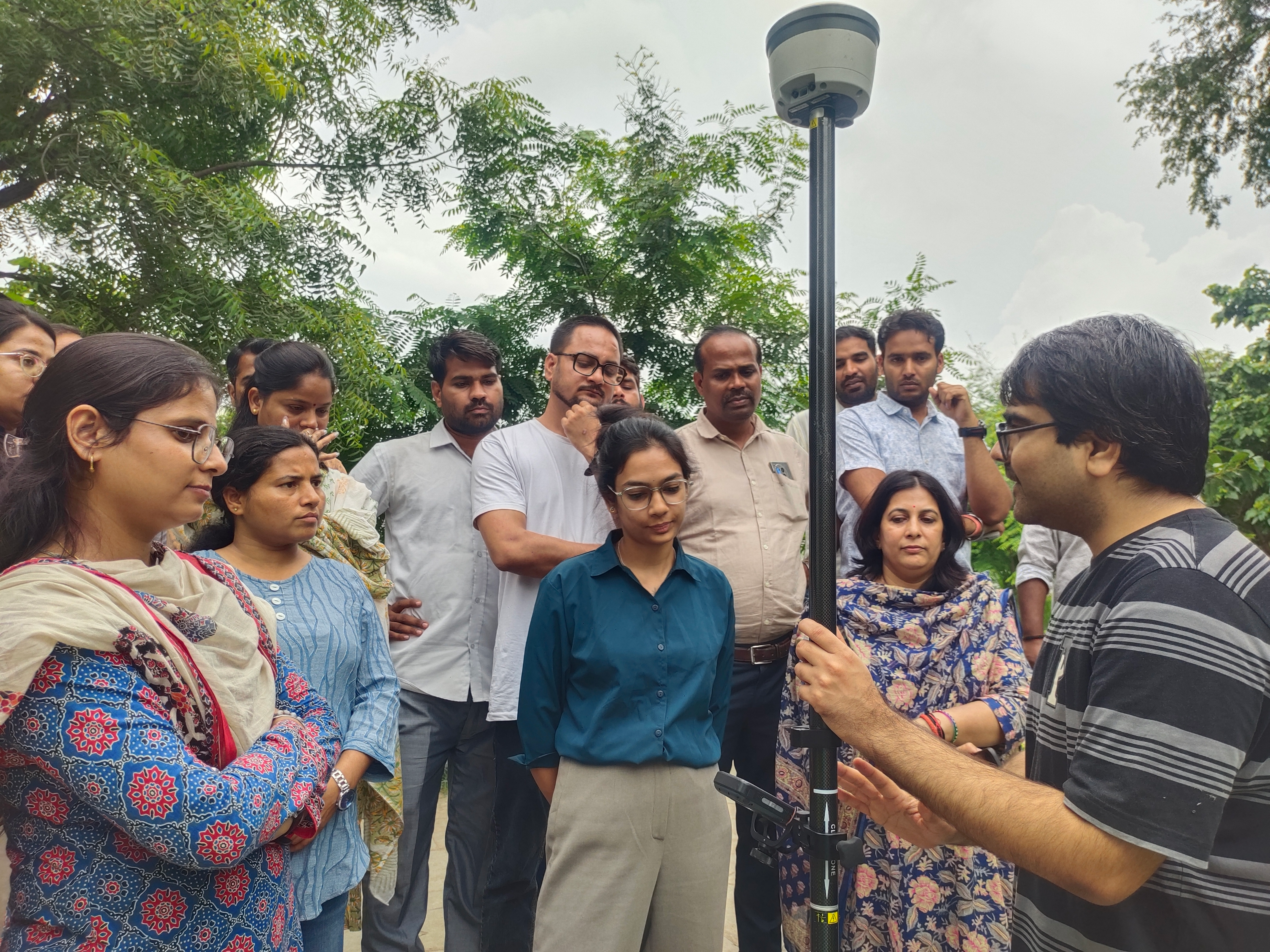
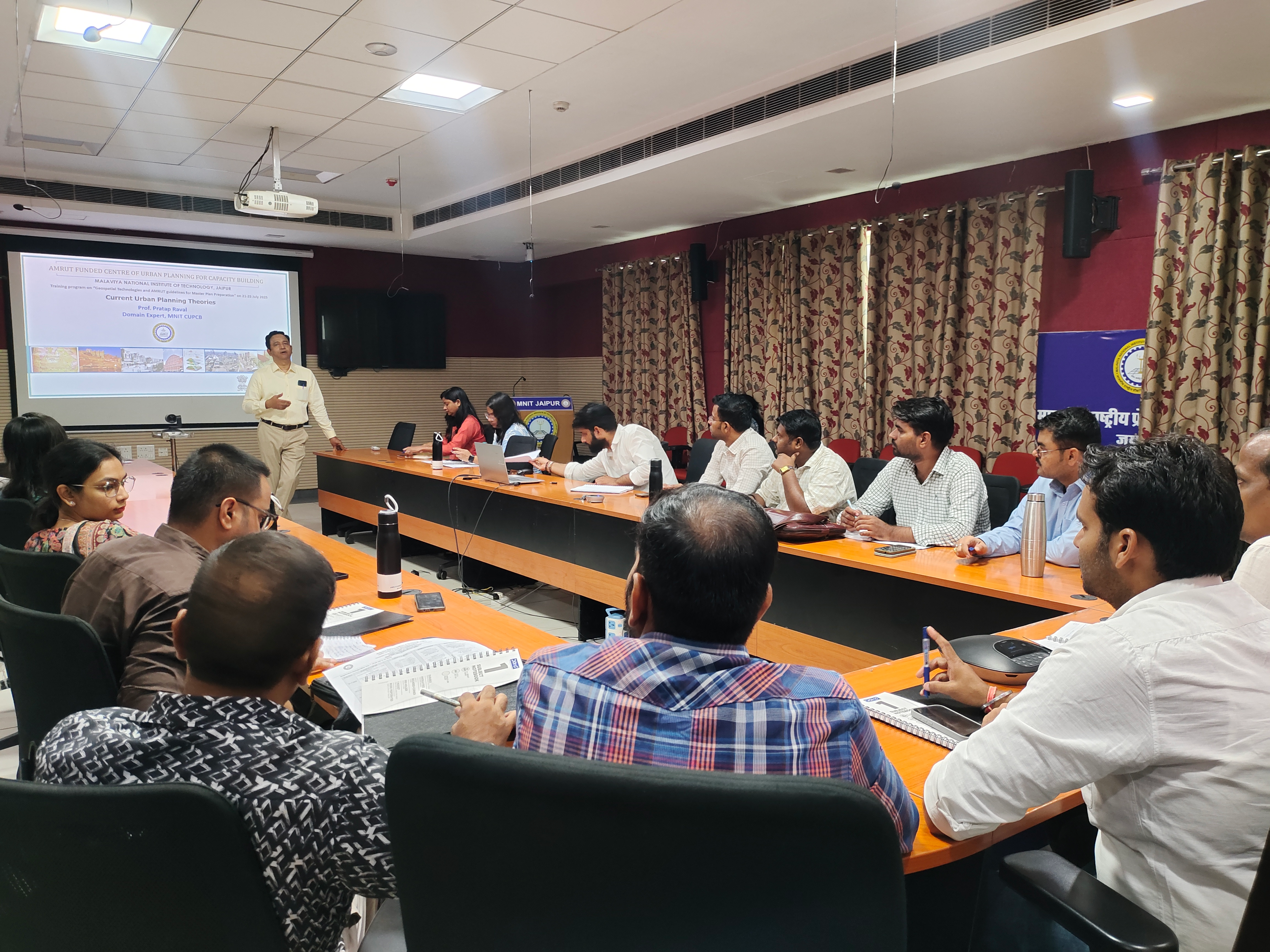
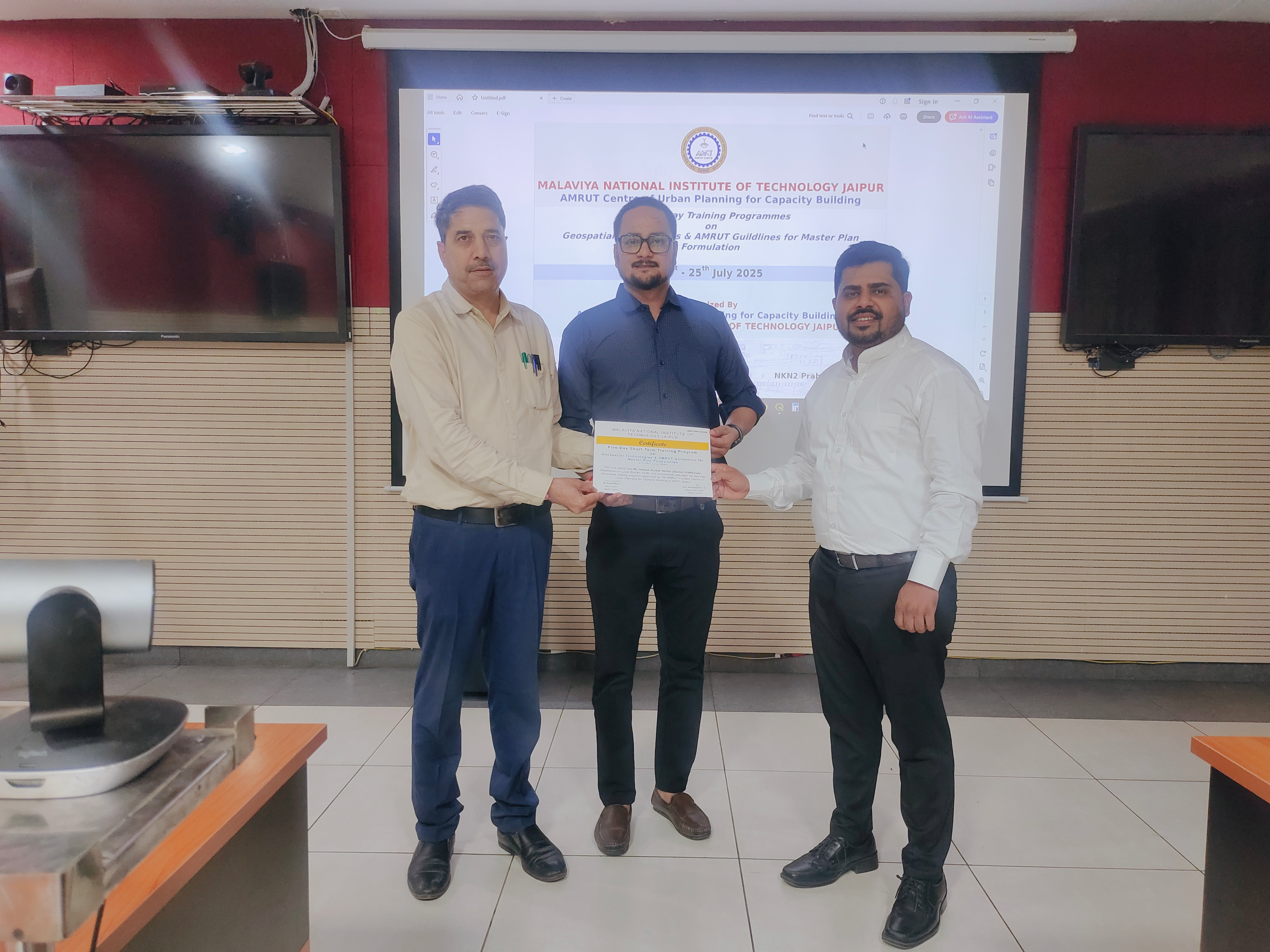
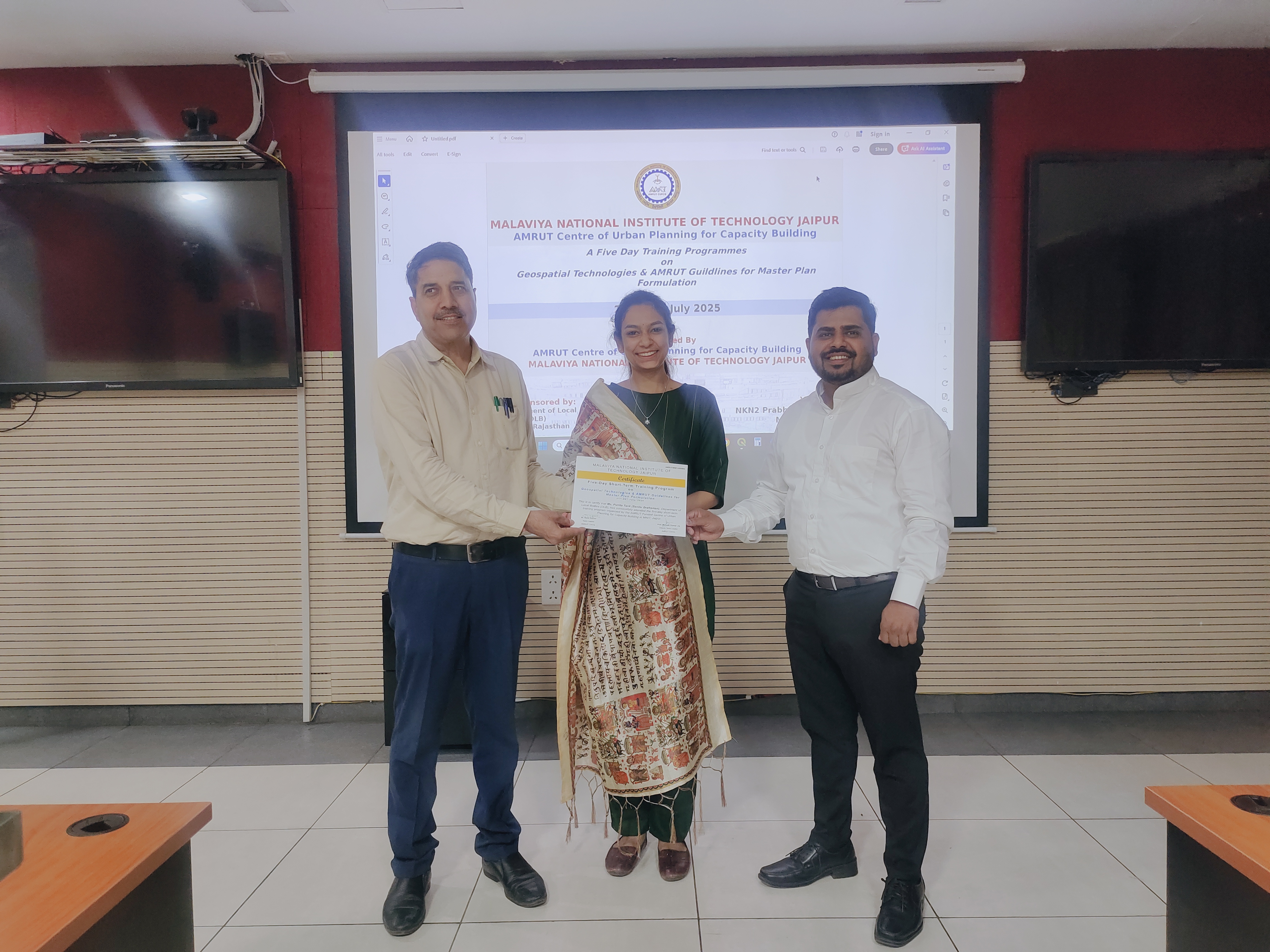
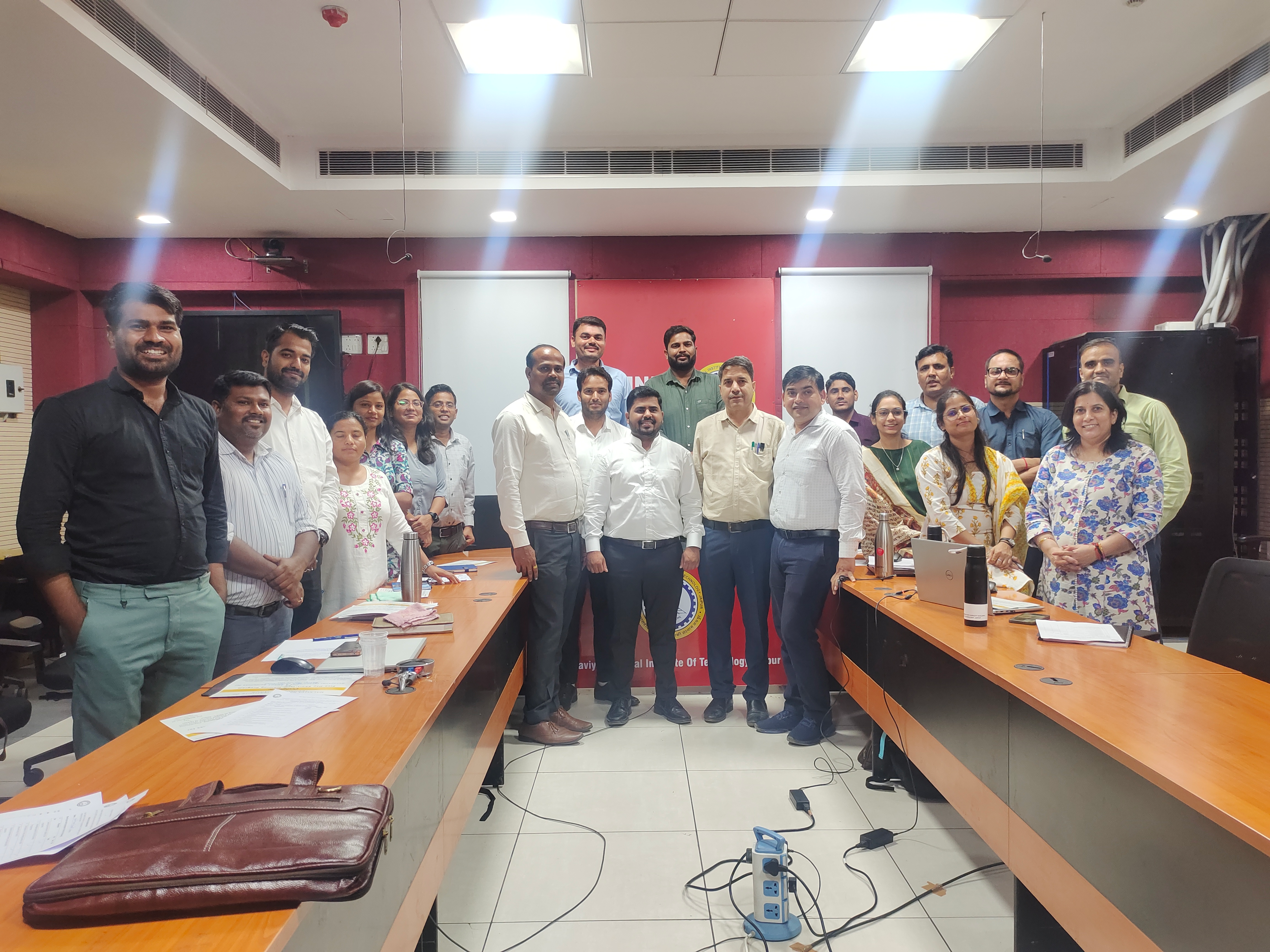
Dates: 21st - 25th July, 2025
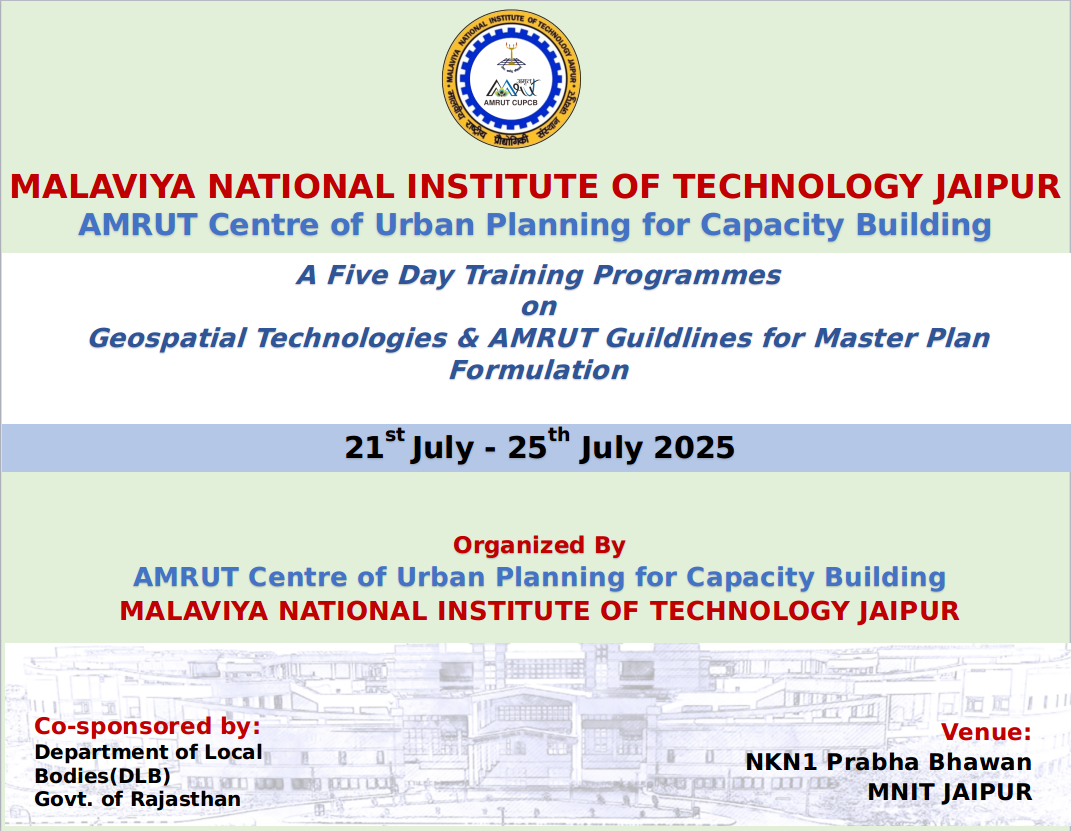
A five-day Training programmes on "Geospatial Technologies & AMRUT Guidelines for Master Plan Formulation", organized by the AMRUT Centre for Urban Planning and Capacity Building at MNIT Jaipur with co-sponsored by Department of Local Bodies.
- Spatial Technology for data capturing and spatial data collectionusig lase based methods like LIDAR, UAV's Laser scanners, GPR.
- Remote Sensing data products, referencing, ordering & Introduction to GNSS technologies and spatial data collection.
- Field exercise- spatial data collection using GNSS, Extration of information.
- Hands-on exercise on preparation of land use / cover map , map scanning , geo referncing image subset, image mosaicking.
- Introduction of GIS: Basic concepts, capabilities & functionalities and database creation, attribute handling & information extraction.
- URDPFI guidelines for formulation of Master Plan.
- Urban Heat islands and mitigation measures.
- AMRUT guidelines for formulation of GIS-based Master Plan and Layers proposed in AMRUT 2.0 guidelines creation.
- Data uploading on the AMRUT GIS platform.
- Presentations, Feedback and Disscussion.
Dates: 21st - 25th July, 2025
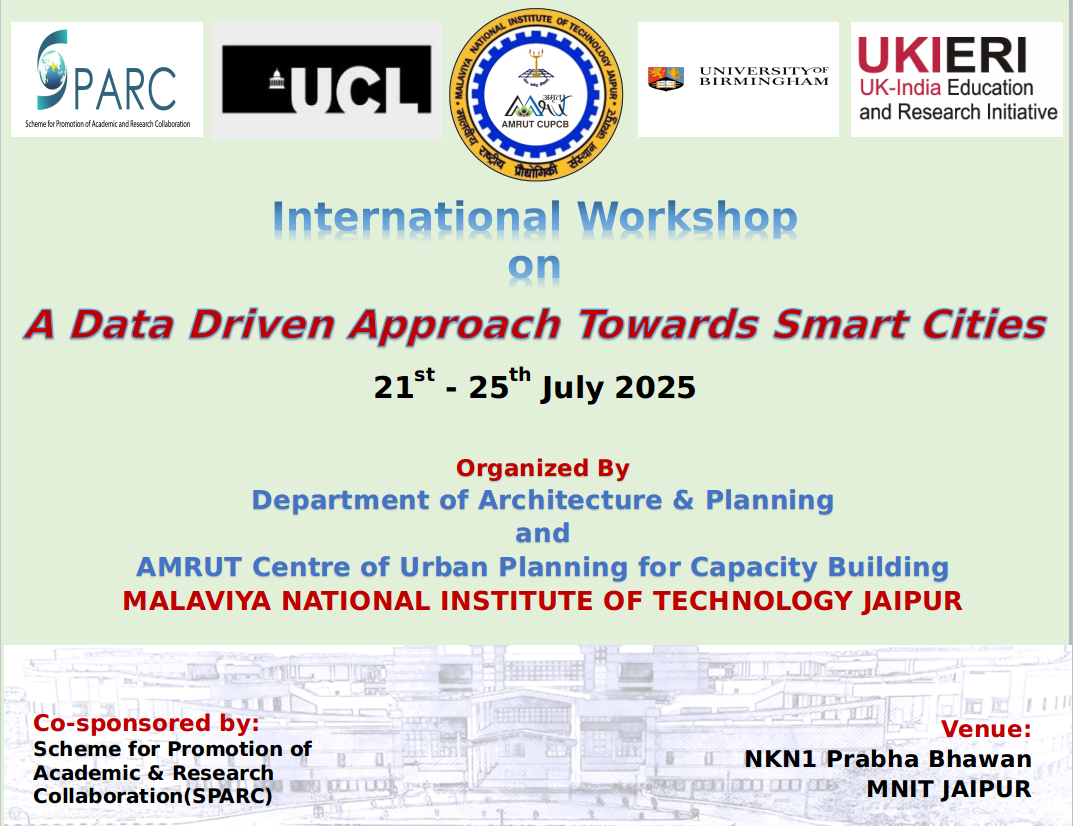
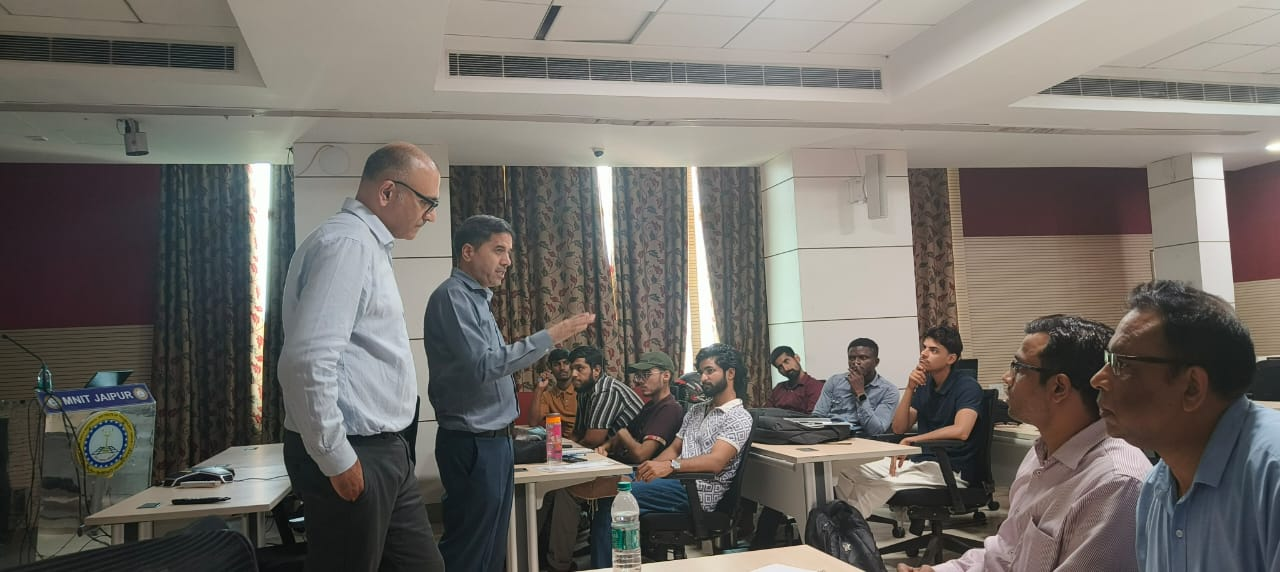
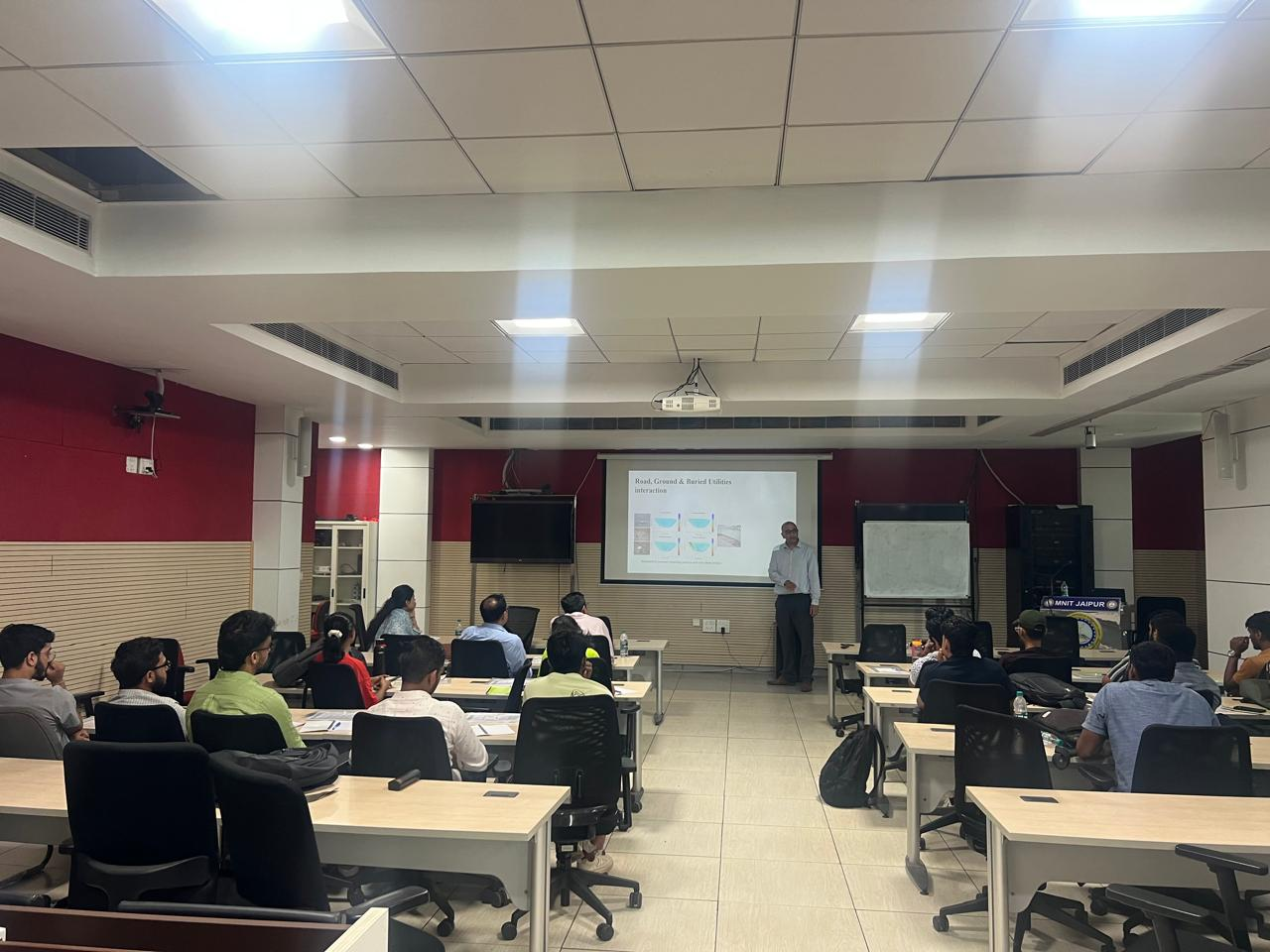
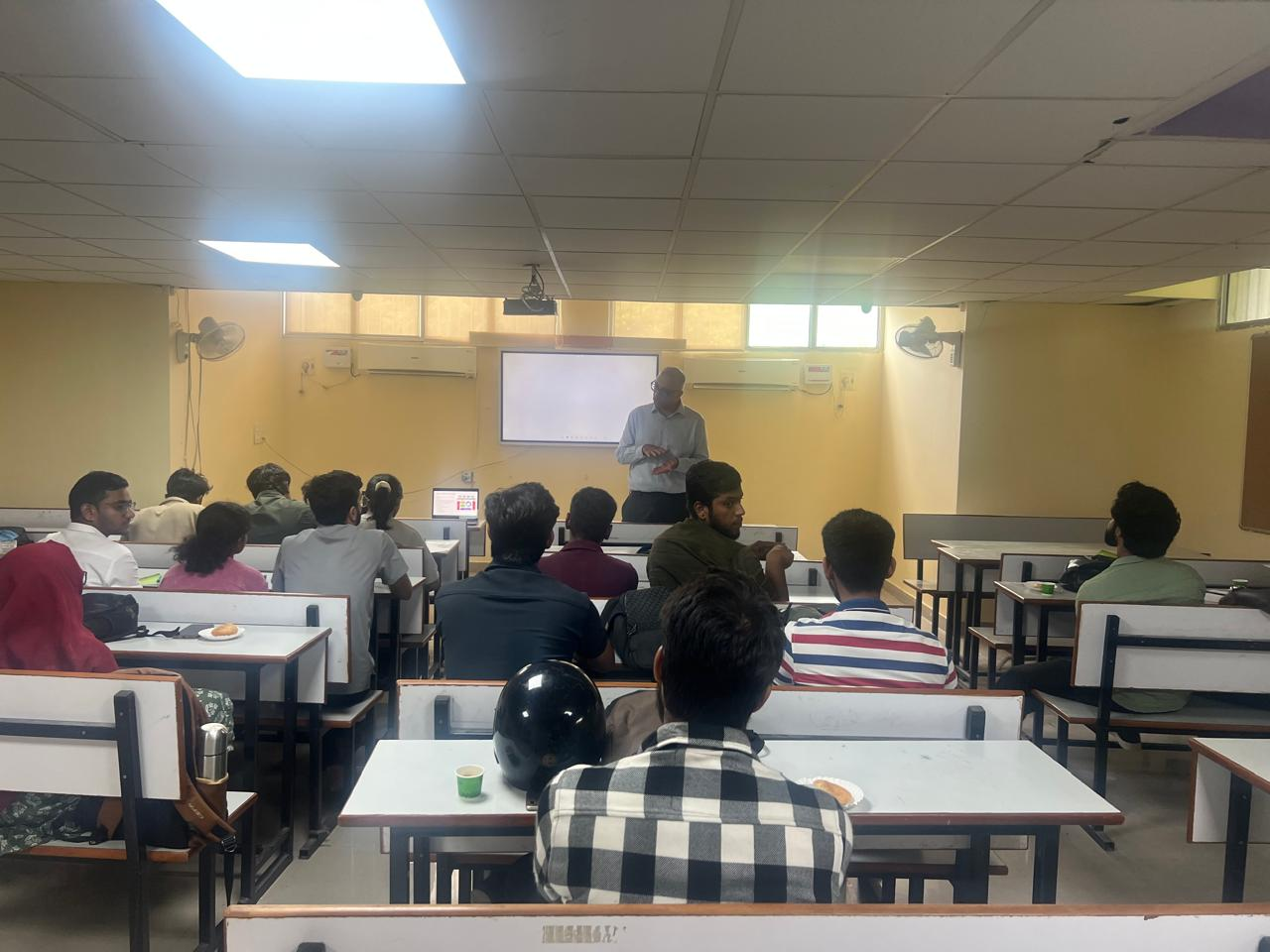
This five-day workshop on "A Data Driven Approach Towards Smart Cities"is dedicated to exploring how urban data can be harnessed to build efficient, resilient, and citizen-centric cities. It focuses on integrating digital technologies, real-time data analytics, and intelligent infrastructure to address the growing complexities of urban environments. The workshop emphasizes how a data-driven approach enables smarter decision-making, enhances service delivery, and drives sustainable urban transformation.
- What is Data Driven Approach
- Sources of Data in Smart Cities
- Field exercise- spatial data collection using GNSS, Extration of information.
- Smart Cities Initiatives in Urban mobility in Smart Cities
- Designing a Data Collection Strategy
- Urban Heat Islands and Mitigation Measures
- Decision making in Urban Risk, Asset Management
- Indian Roads congress norms for Road Designs, Intersection Designs
- Participants Presentations: Journey, Journal and Data Insights
- Presentations, Feedback and Disscussion.
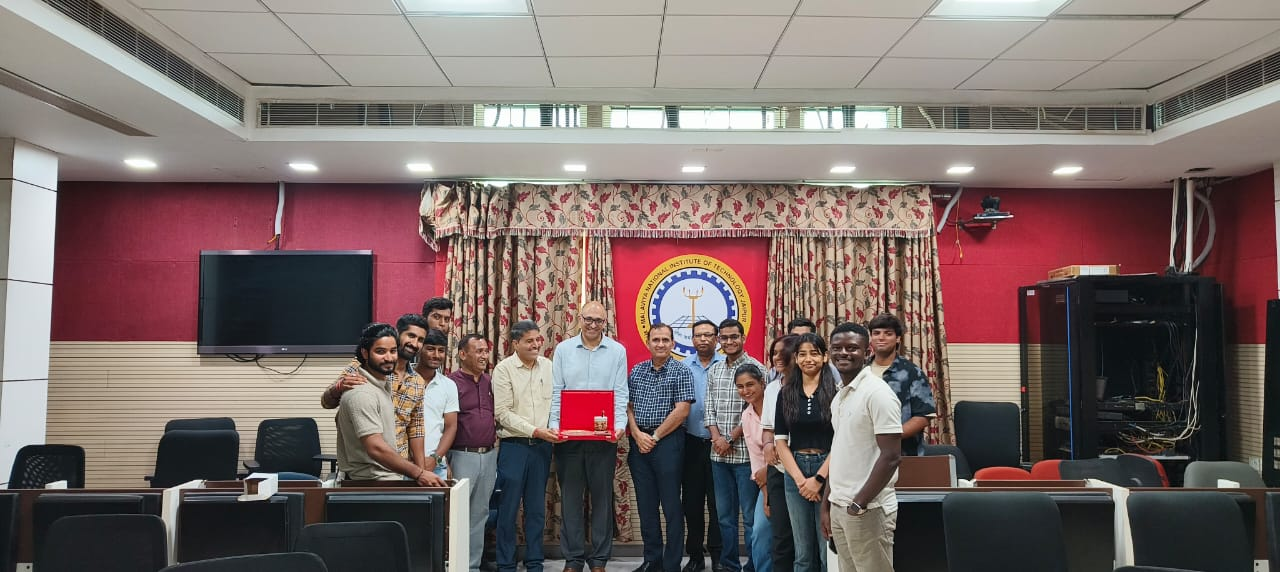
Dates: 28st - 01st August, 2025
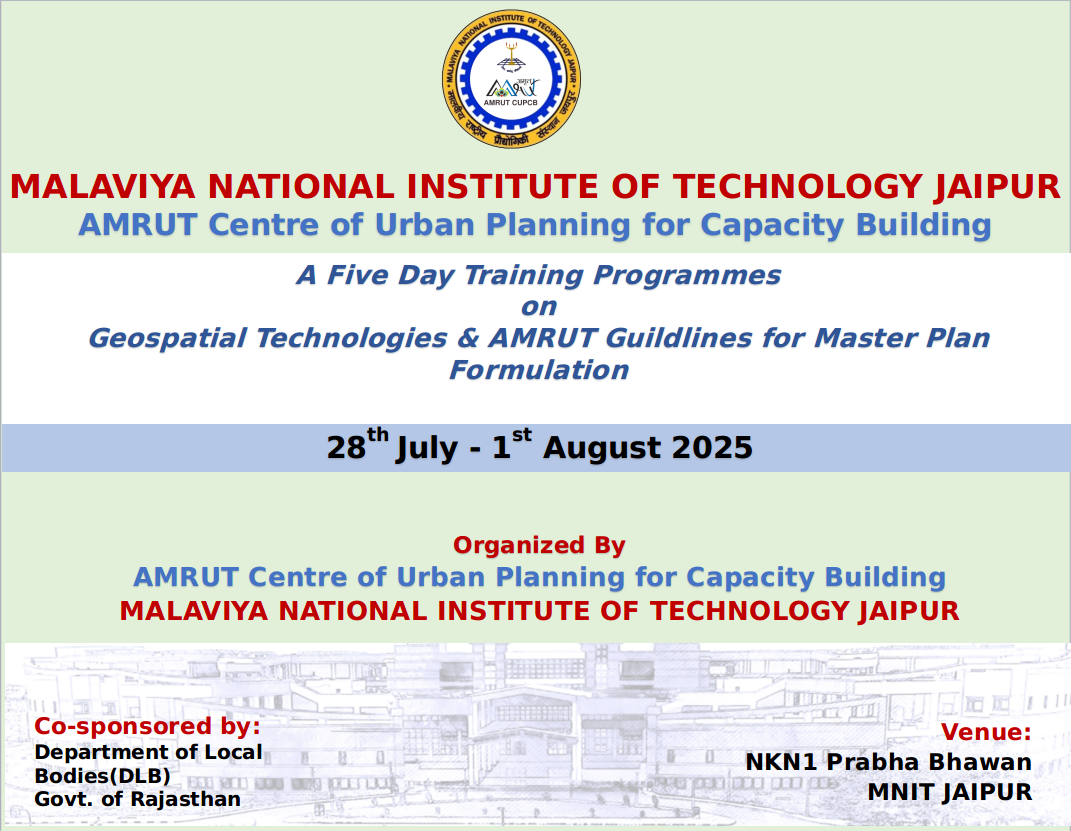
A five-day Training programmes on "Geospatial Technologies & AMRUT Guidelines for Master Plan Formulation", organized by the AMRUT Centre for Urban Planning and Capacity Building at MNIT Jaipur with co-sponsored by Department of Local Bodies.
- Spatial Technology for data capturing and spatial data collectionusig lase based methods like LIDAR, UAV's Laser scanners, GPR.
- Remote Sensing data products, referencing, ordering & Introduction to GNSS technologies and spatial data collection.
- Field exercise- spatial data collection using GNSS, Extration of information.
- Hands-on exercise on preparation of land use / cover map , map scanning , geo referncing image subset, image mosaicking.
- Introduction of GIS: Basic concepts, capabilities & functionalities and database creation, attribute handling & information extraction.
- URDPFI guidelines for formulation of Master Plan.
- Urban Heat islands and mitigation measures.
- AMRUT guidelines for formulation of GIS-based Master Plan and Layers proposed in AMRUT 2.0 guidelines creation.
- Data uploading on the AMRUT GIS platform.
- Presentations, Feedback and Disscussion.
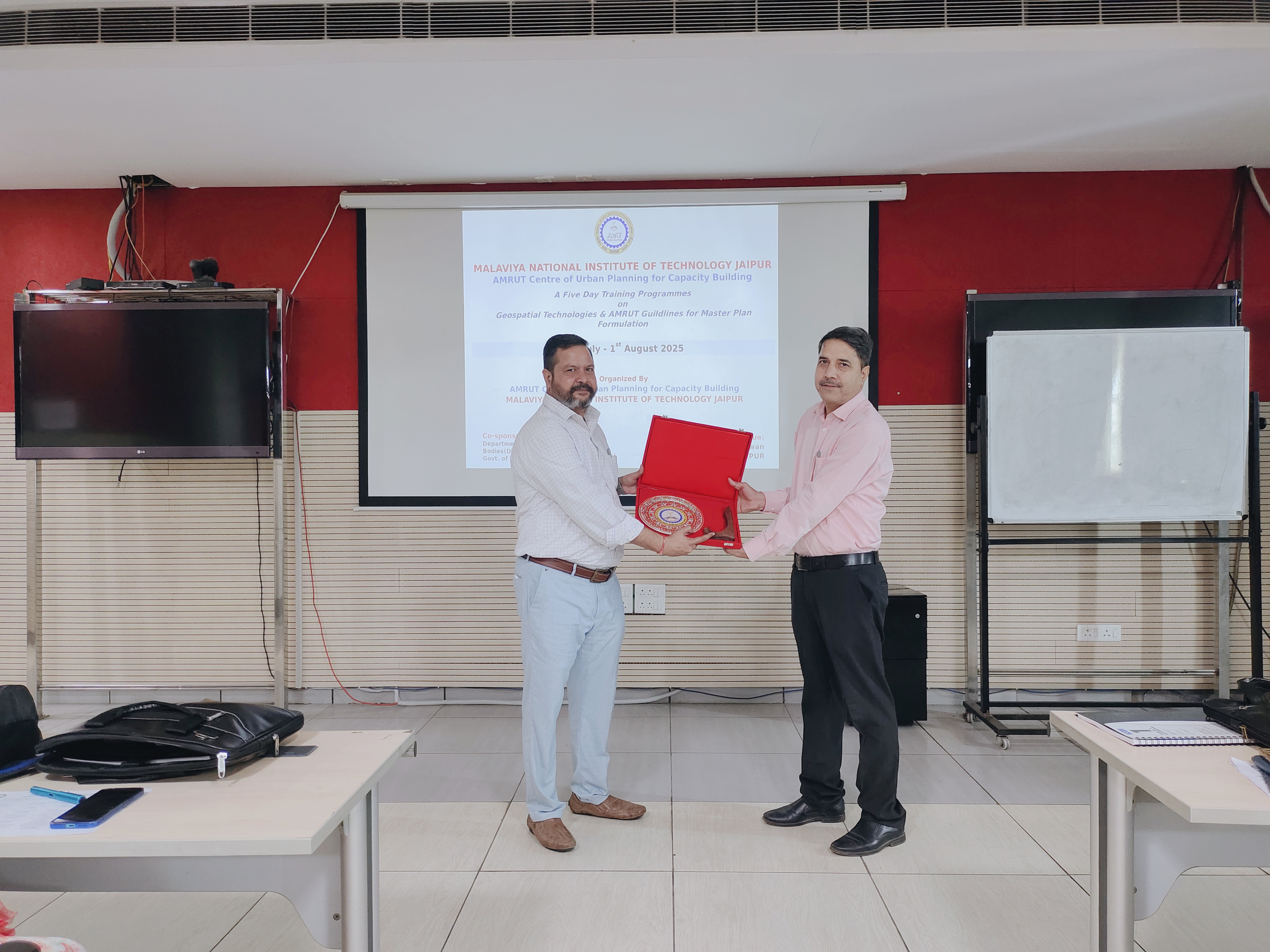
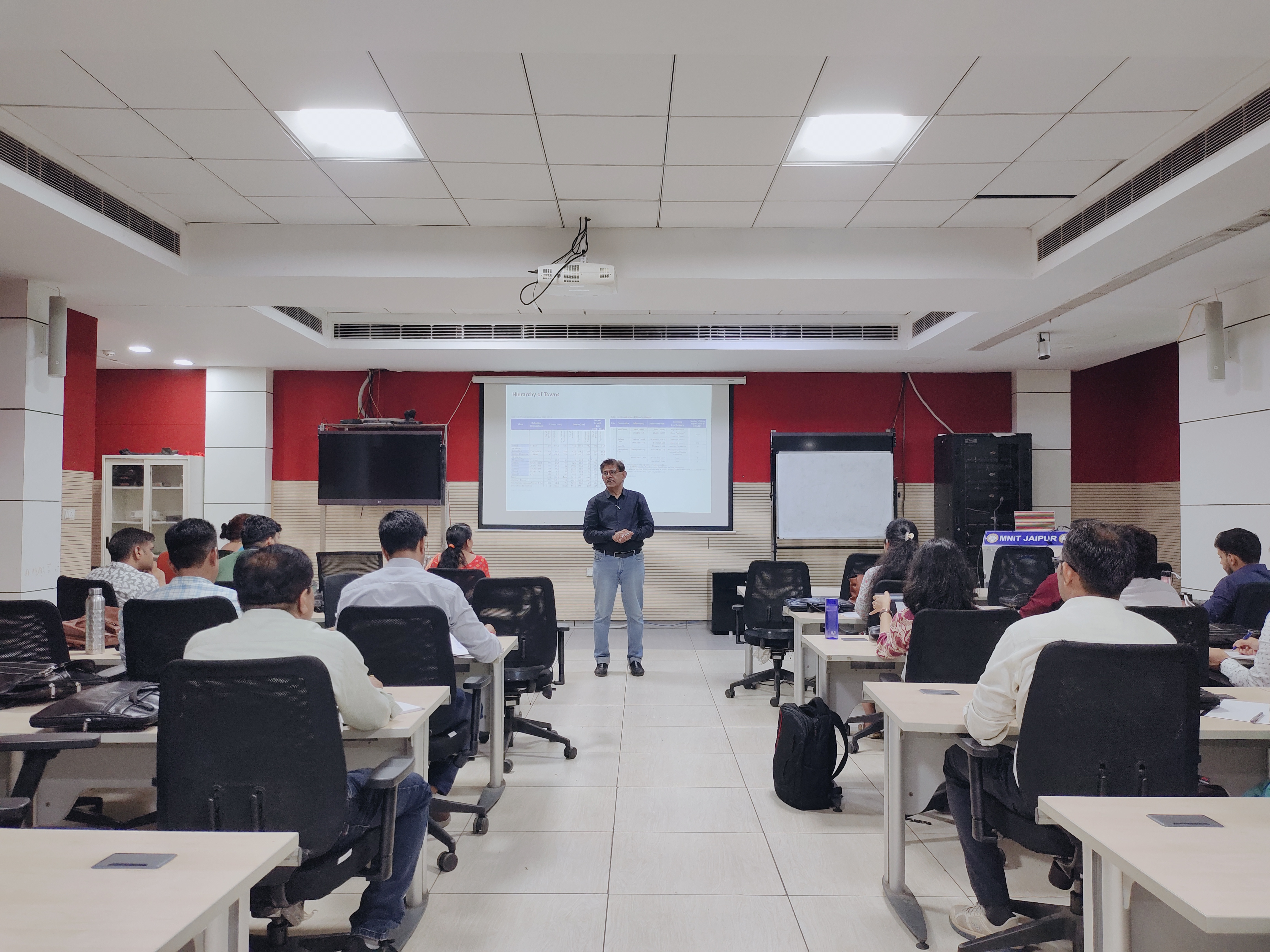
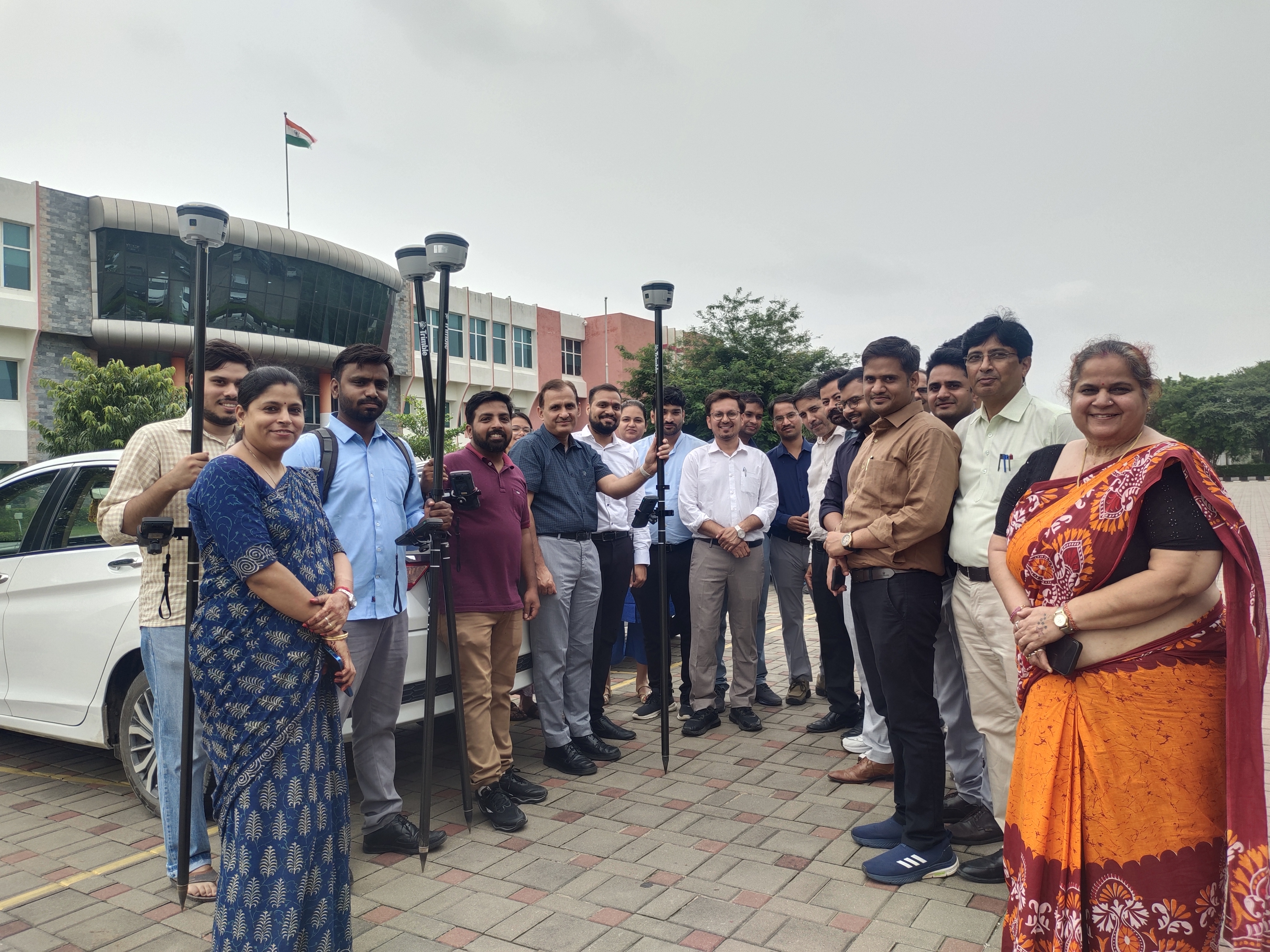
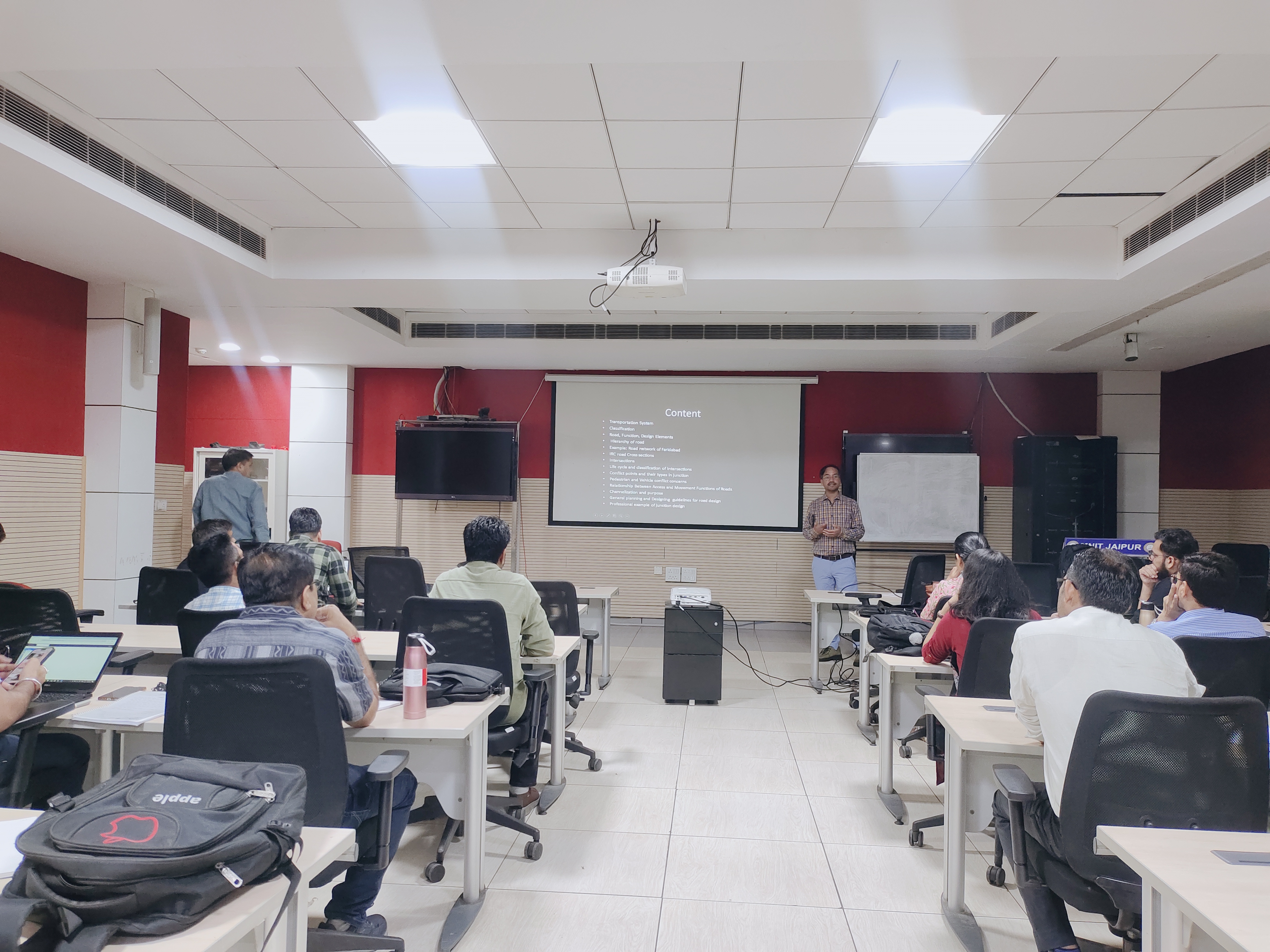
Dates: 04th August- 08th August, 2025
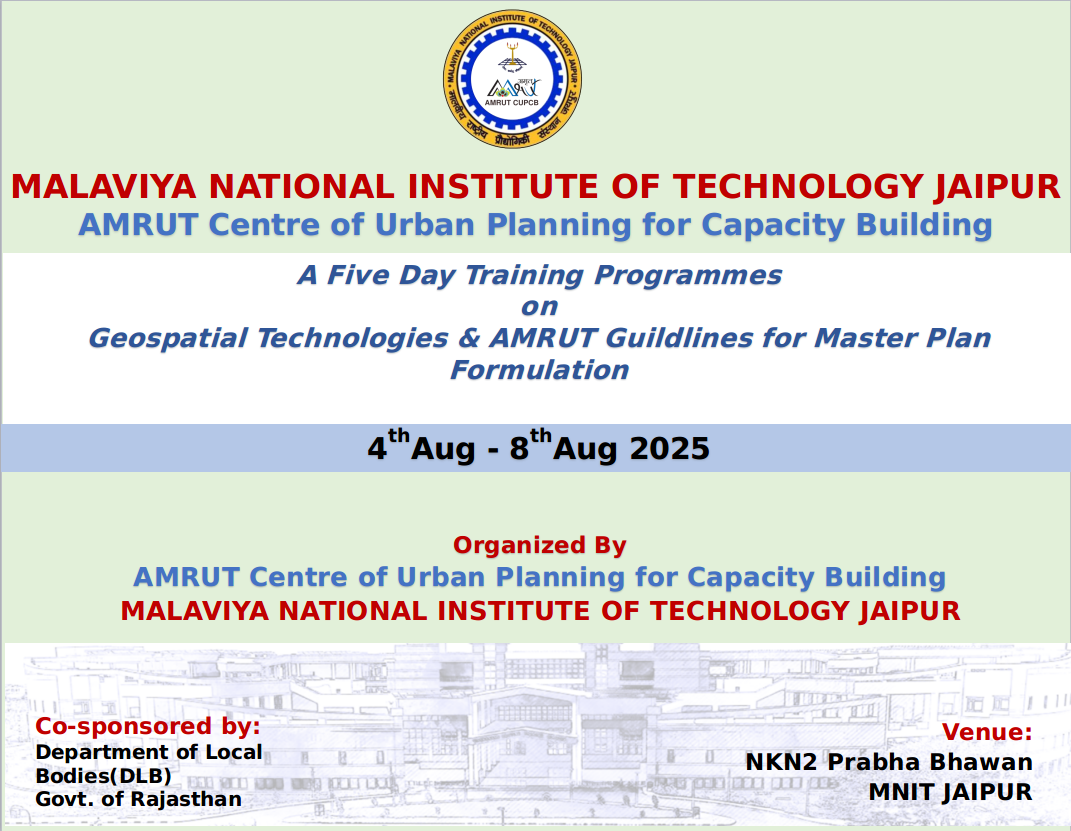
A five-day Training programmes on "Geospatial Technologies & AMRUT Guidelines for Master Plan Formulation", organized by the AMRUT Centre for Urban Planning and Capacity Building at MNIT Jaipur with co-sponsored by Department of Local Bodies.
- Spatial Technology for data capturing and spatial data collectionusig lase based methods like LIDAR, UAV's Laser scanners, GPR.
- Remote Sensing data products, referencing, ordering & Introduction to GNSS technologies and spatial data collection.
- Field exercise- spatial data collection using GNSS, Extration of information.
- Hands-on exercise on preparation of land use / cover map , map scanning , geo referncing image subset, image mosaicking.
- Introduction of GIS: Basic concepts, capabilities & functionalities and database creation, attribute handling & information extraction.
- URDPFI guidelines for formulation of Master Plan.
- Urban Heat islands and mitigation measures.
- AMRUT guidelines for formulation of GIS-based Master Plan and Layers proposed in AMRUT 2.0 guidelines creation.
- Data uploading on the AMRUT GIS platform.
- Presentations, Feedback and Disscussion.
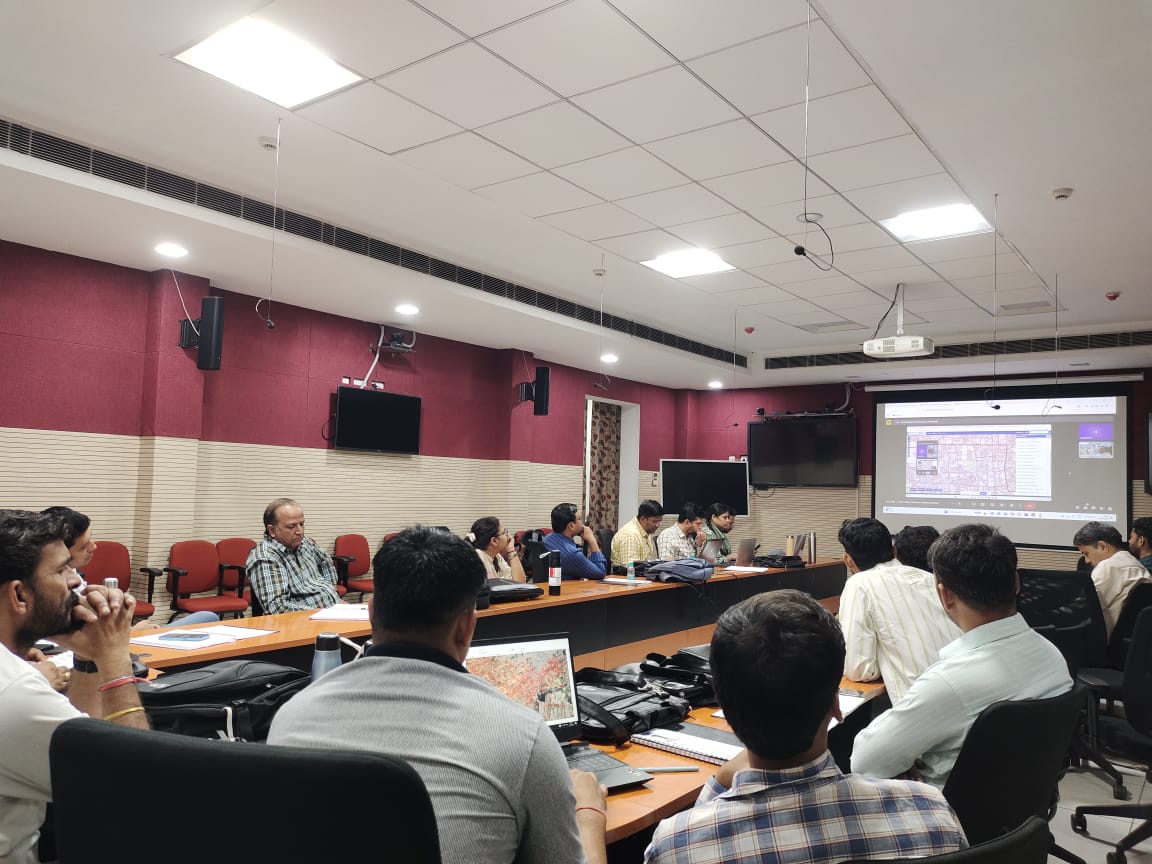
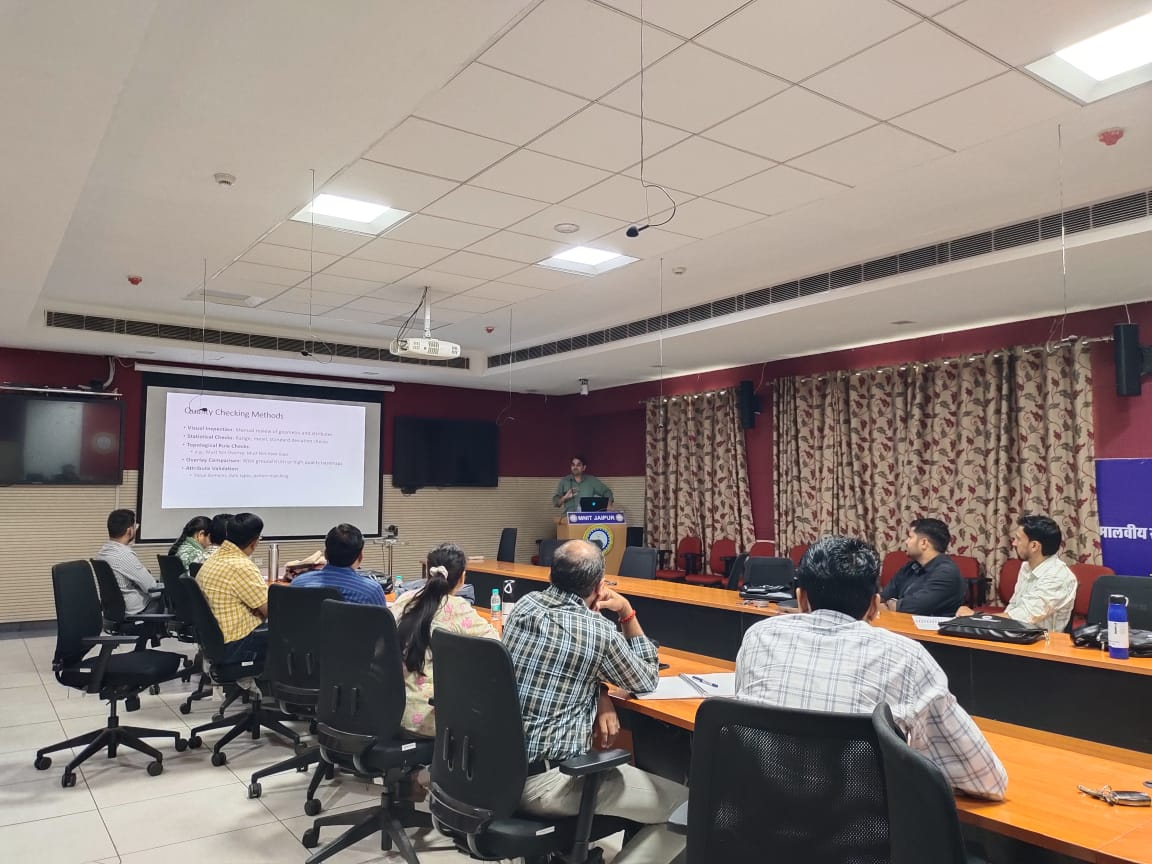
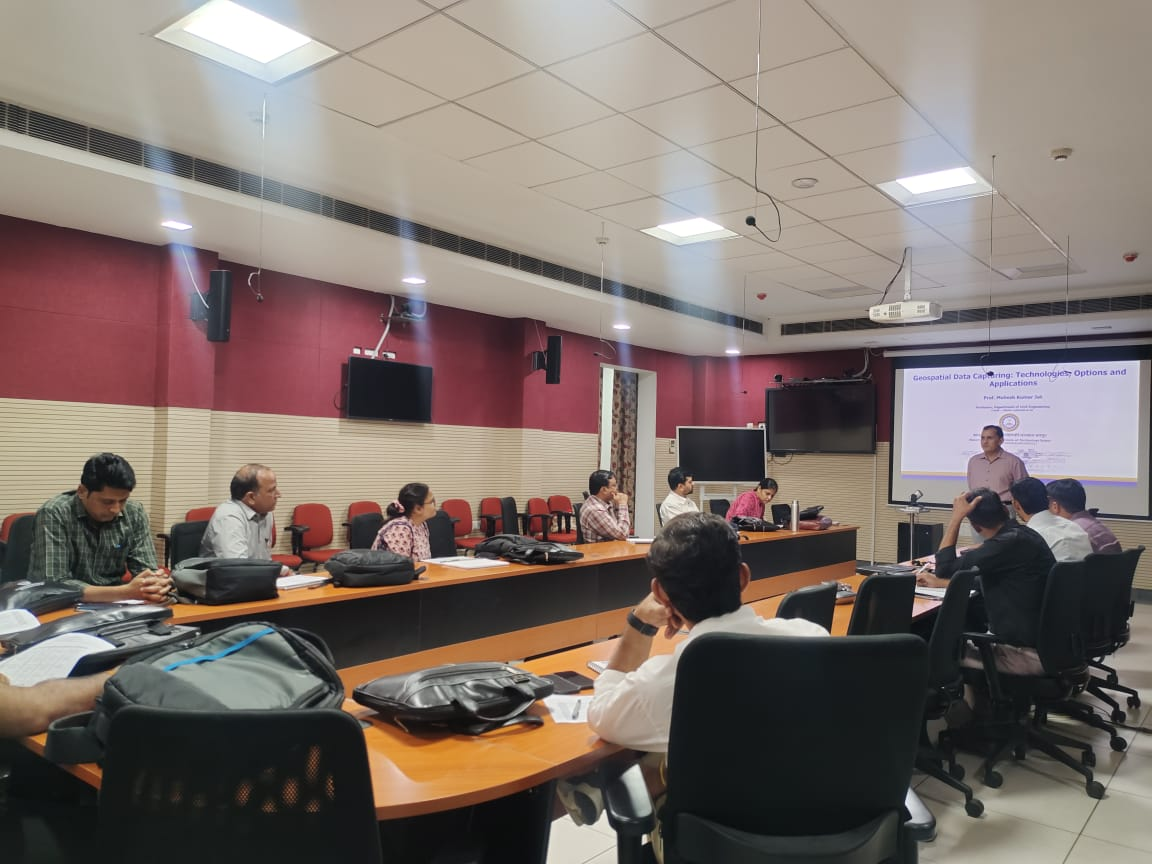
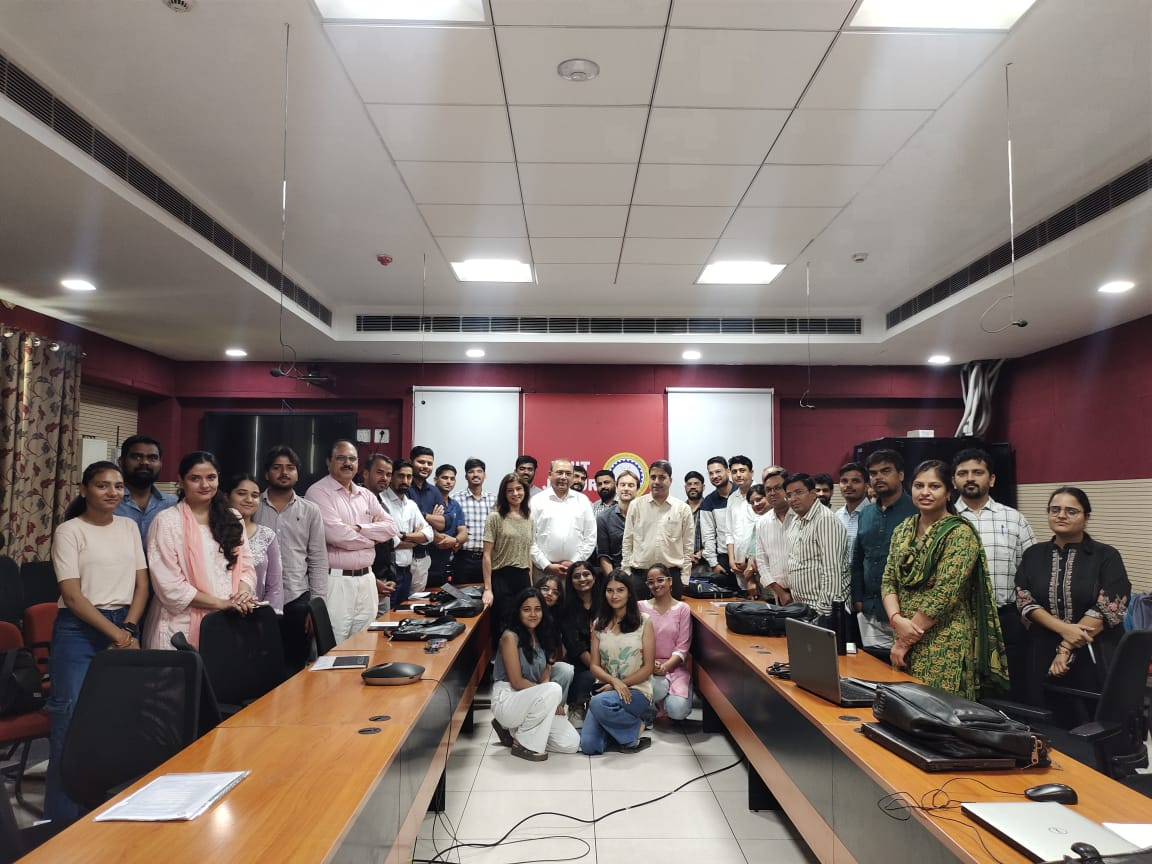
Dates: 04th August- 08th August, 2025
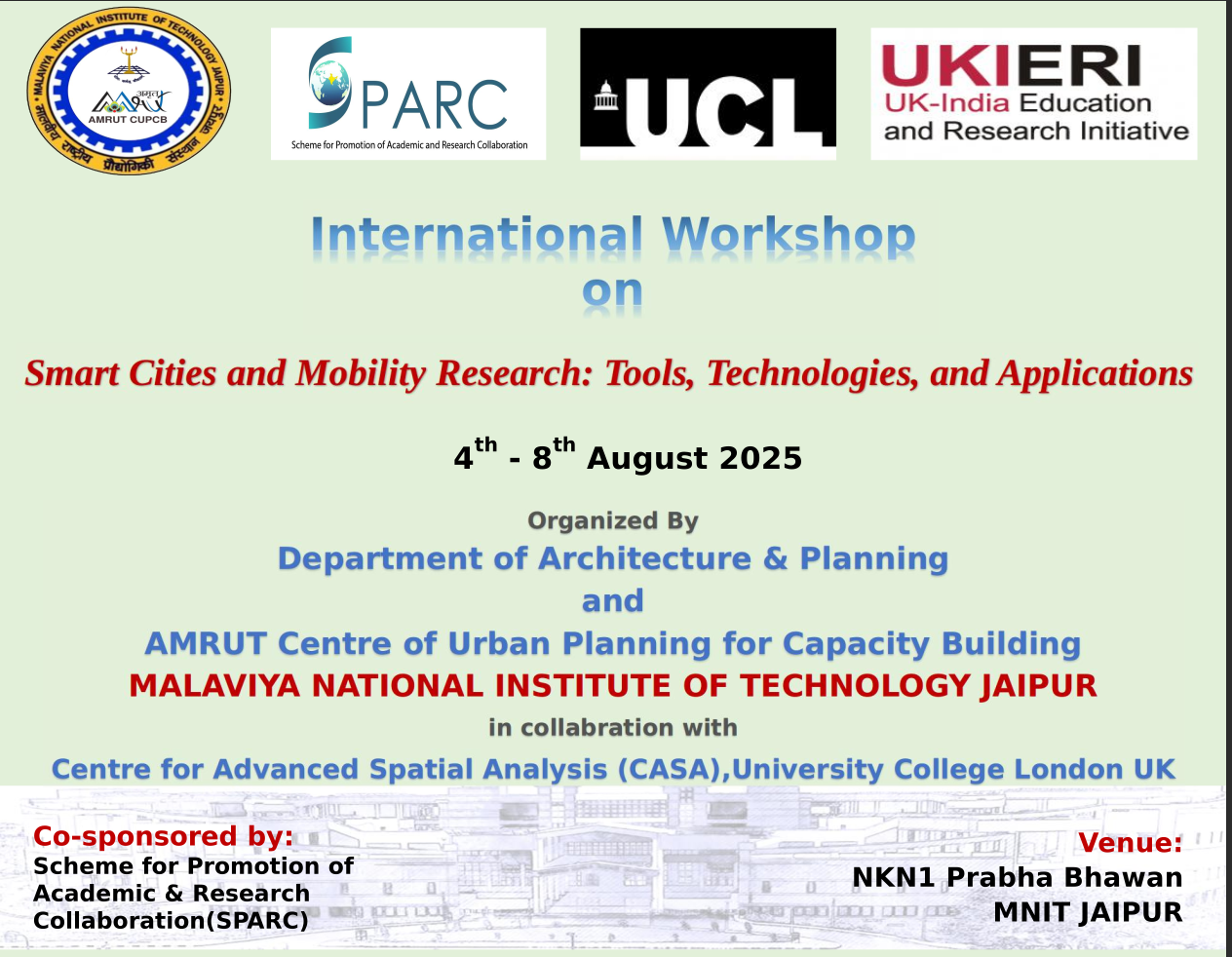
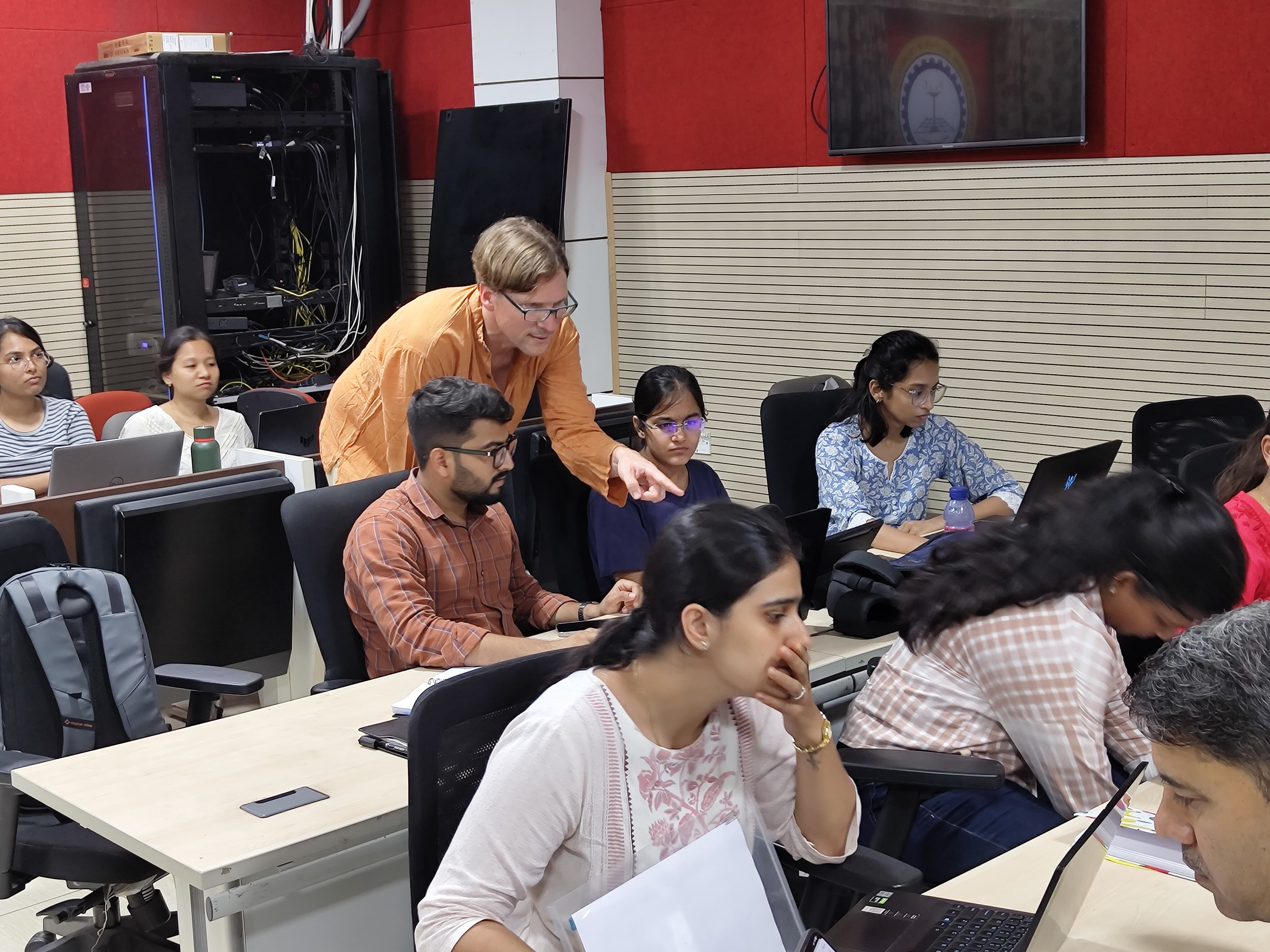
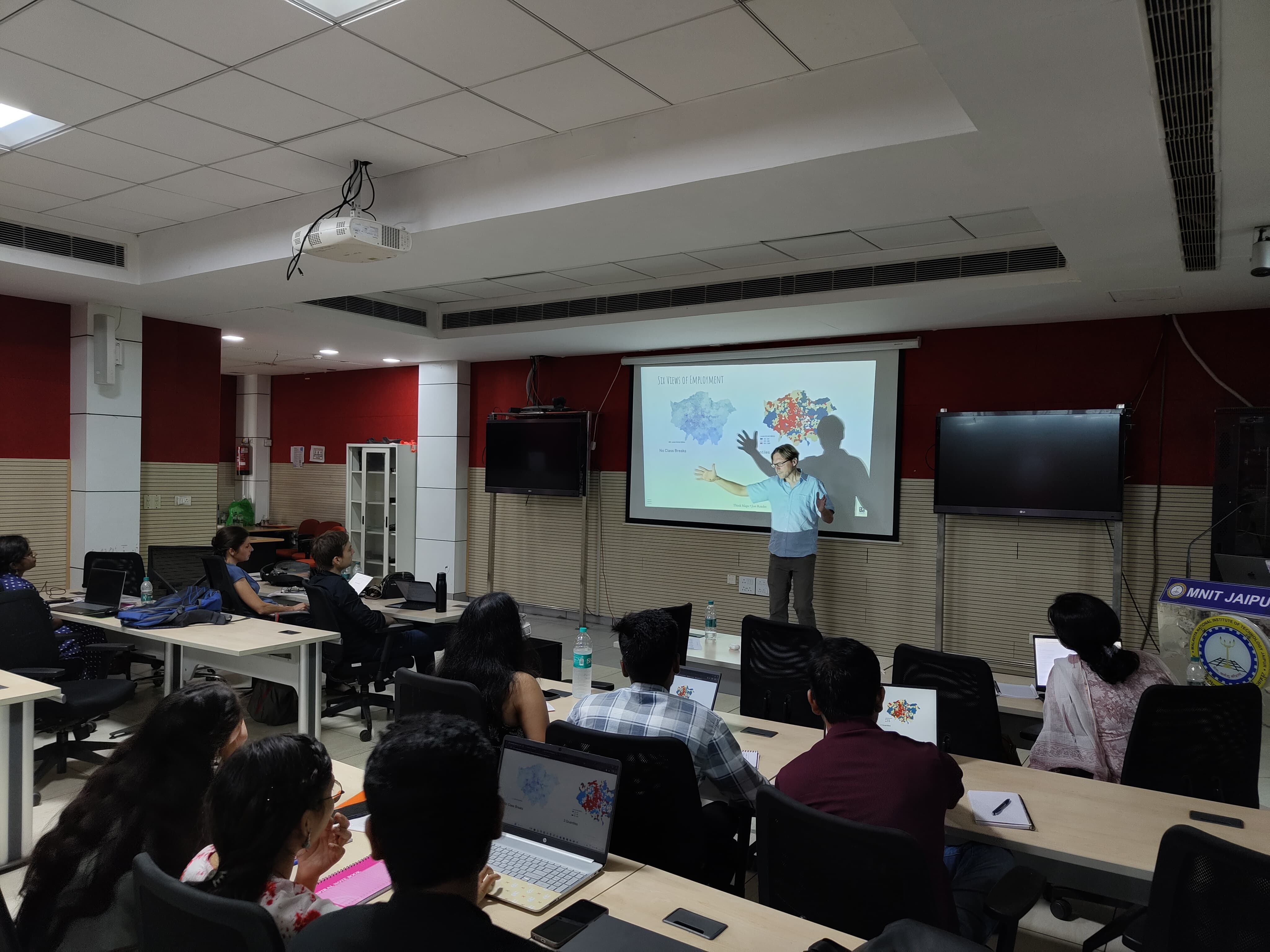
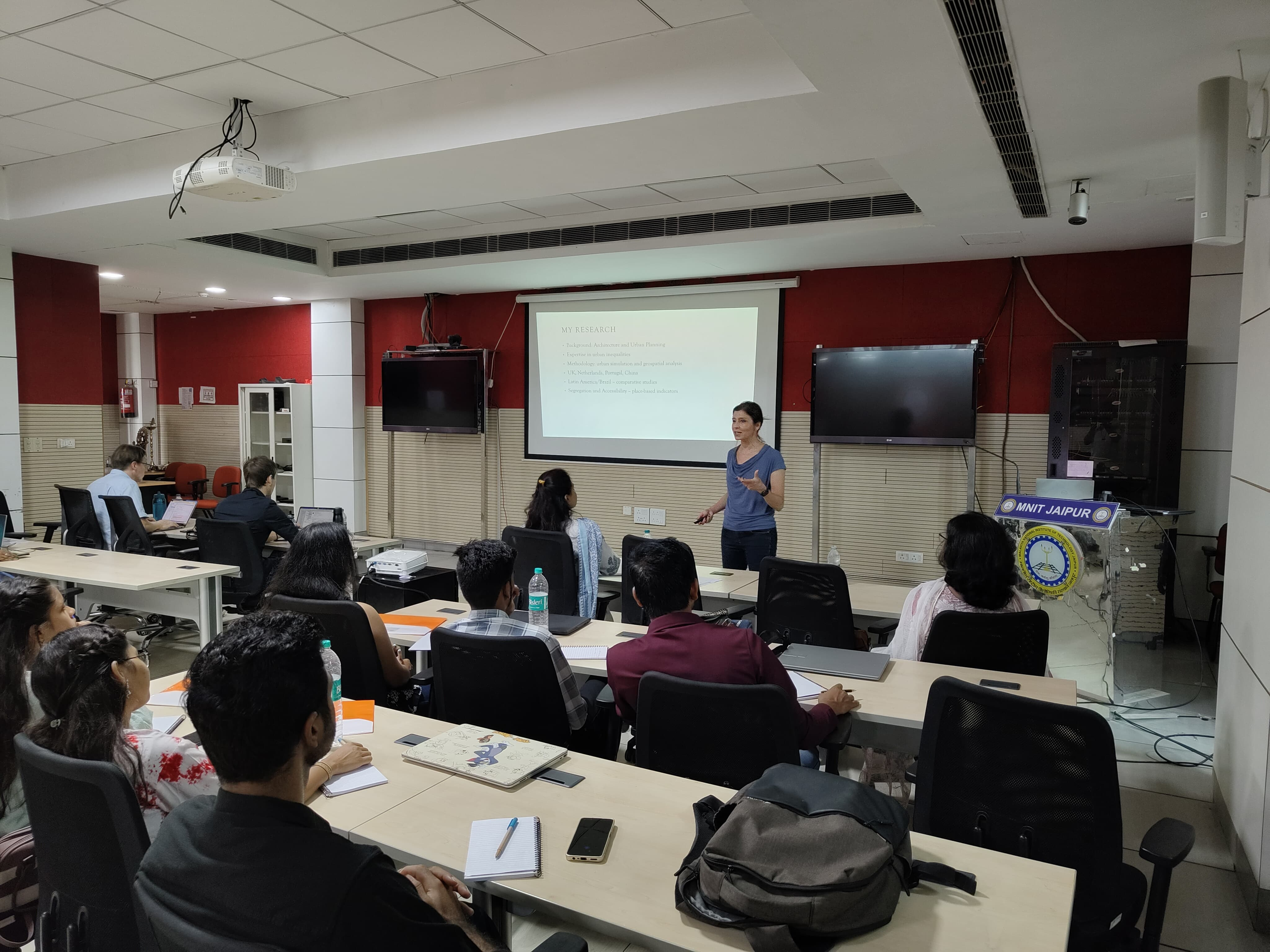
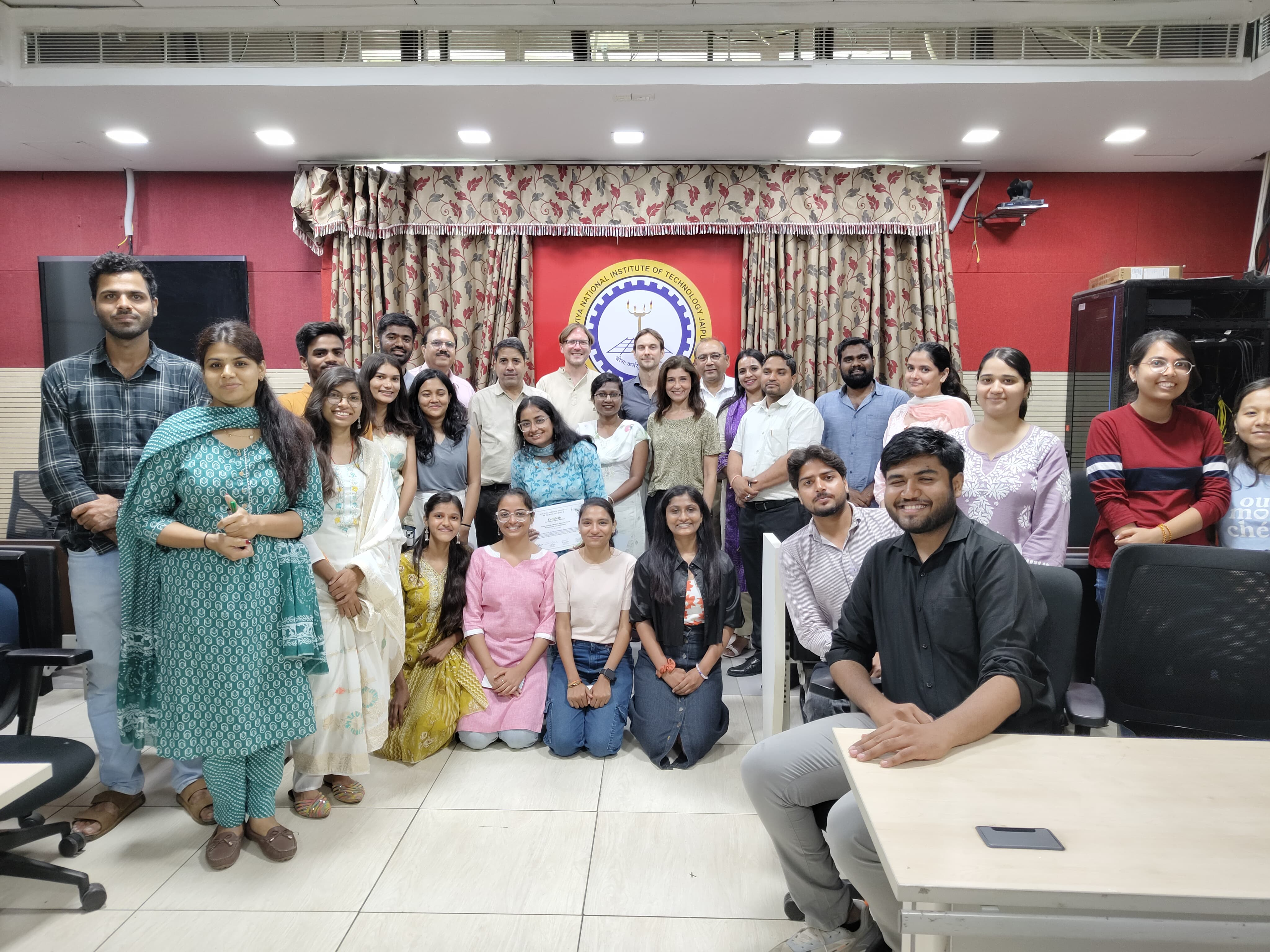
This five-day workshop on "Smart Cities and Mobility Research: Tools, Technologies, and Applications" is dedicated to improve urban transportation systems and enhance quality of life. By leveraging Internet of Things (IoT), Geographic Information Systems (GIS), Artificial Intelligence (AI), and Digital Twins, researchers can monitor, simulate, and optimize mobility patterns in real time. Applications range from intelligent traffic management and public transit optimization to sustainable mobility planning and multimodal transport integration.
- Explain trends in mobilities research, smart cities and research practice and their relevance to India.
- Share your views on our research UKIERI/SPARC project ‘Capturing complexities of urban mobility in India’.
- Acquire technical skills of programming, data management and reproducible analysis.
- Deliberate on how to promote an Open Access culture in India for smart cities.
- Understanding mobility in data-scarce contexts.
- Mobility data sources and management.
- Social issues in mobility and transparent analysis.
- Understanding, mapping and visualising mobility.
- Presentations, Feedback and Disscussion.
Dates: 01st September- 15th October, 2025
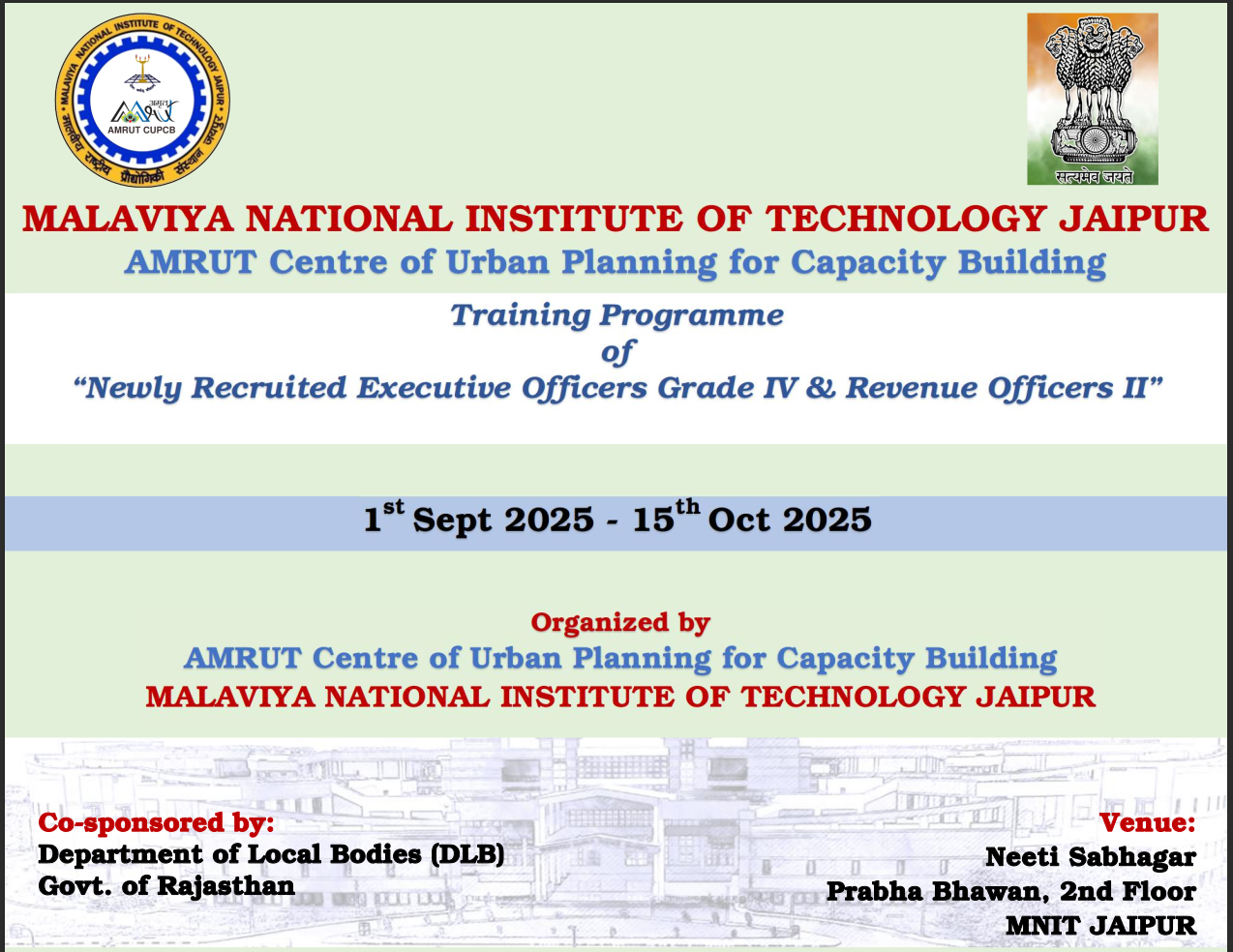
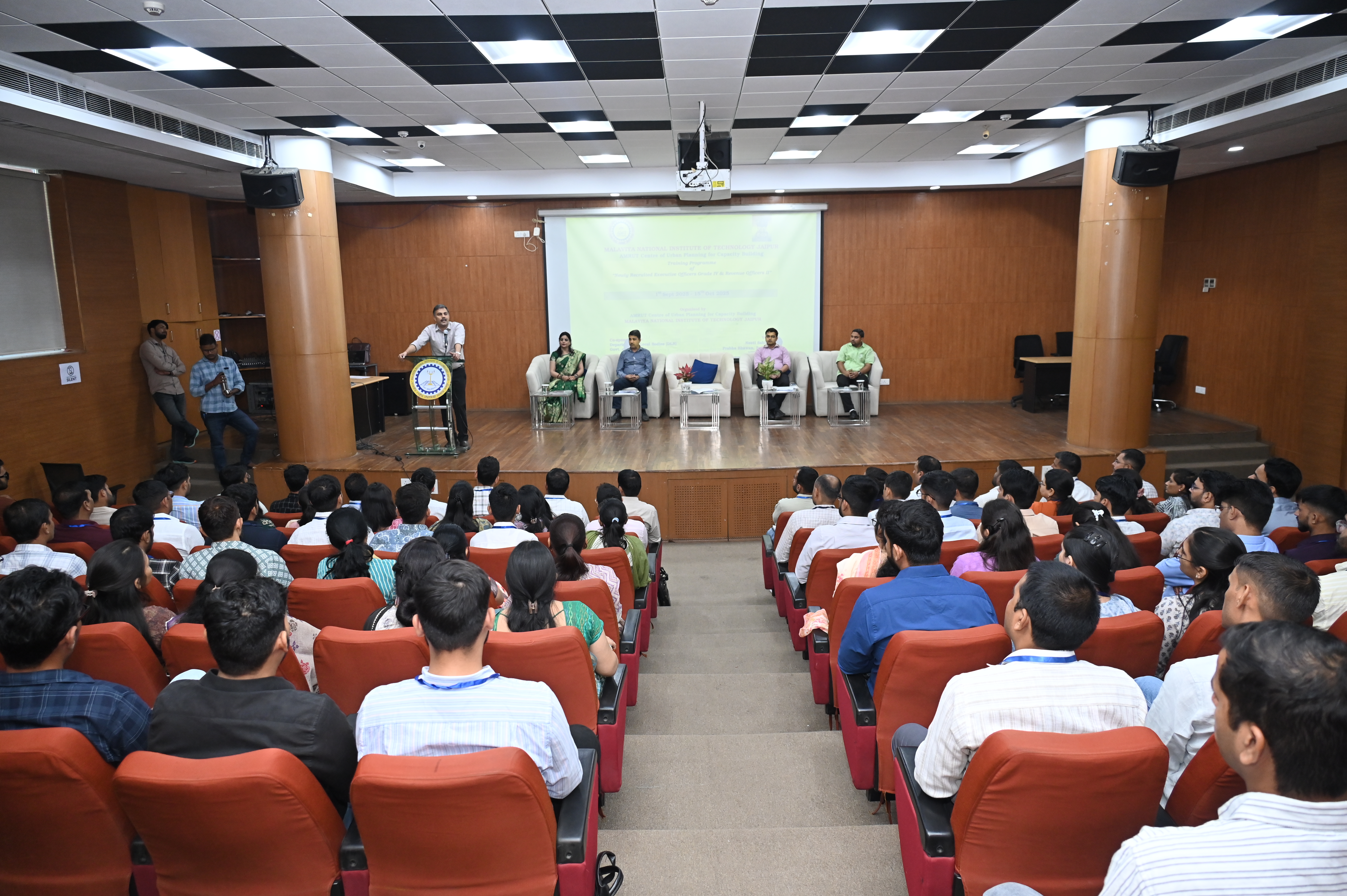
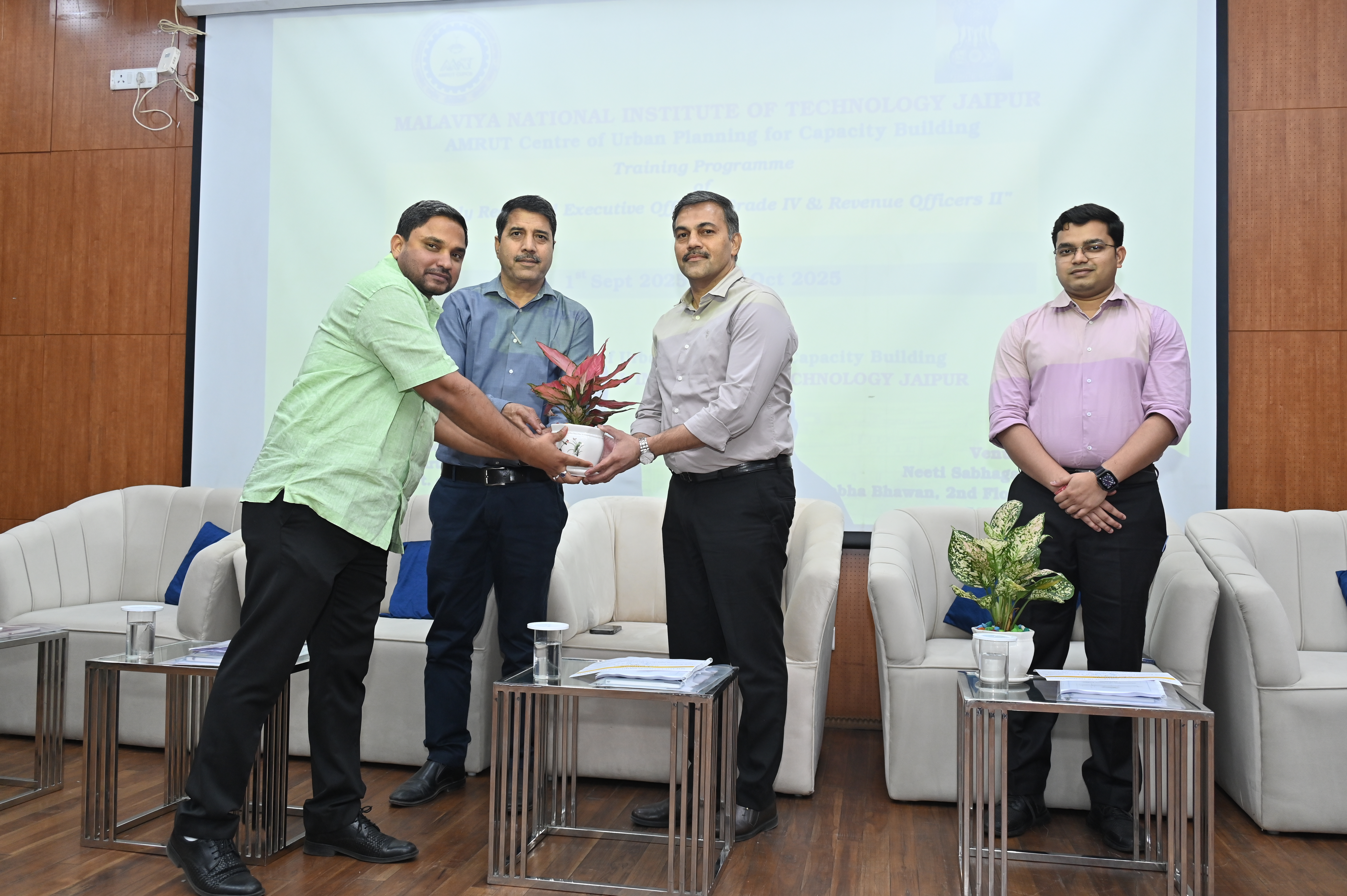
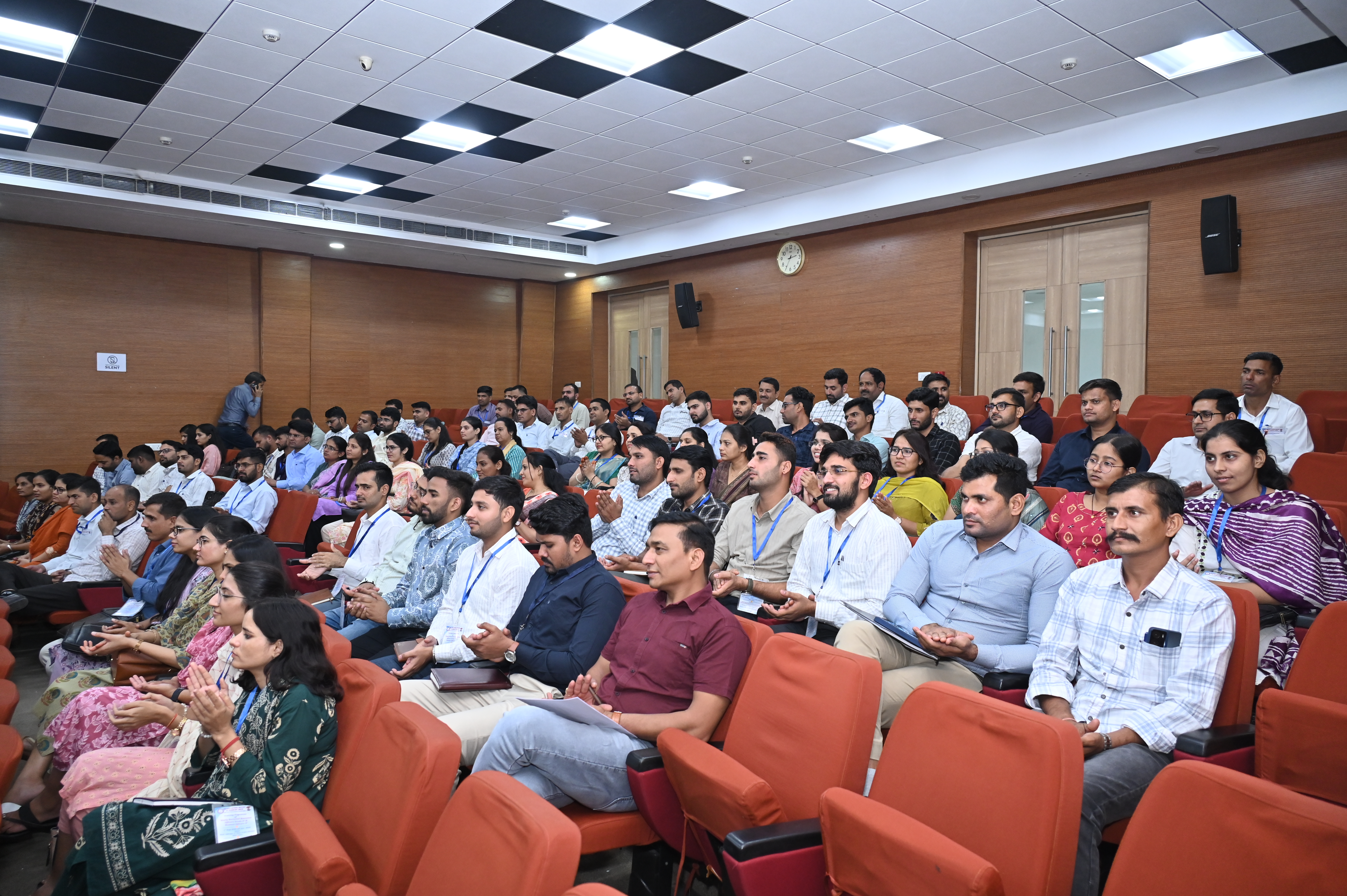
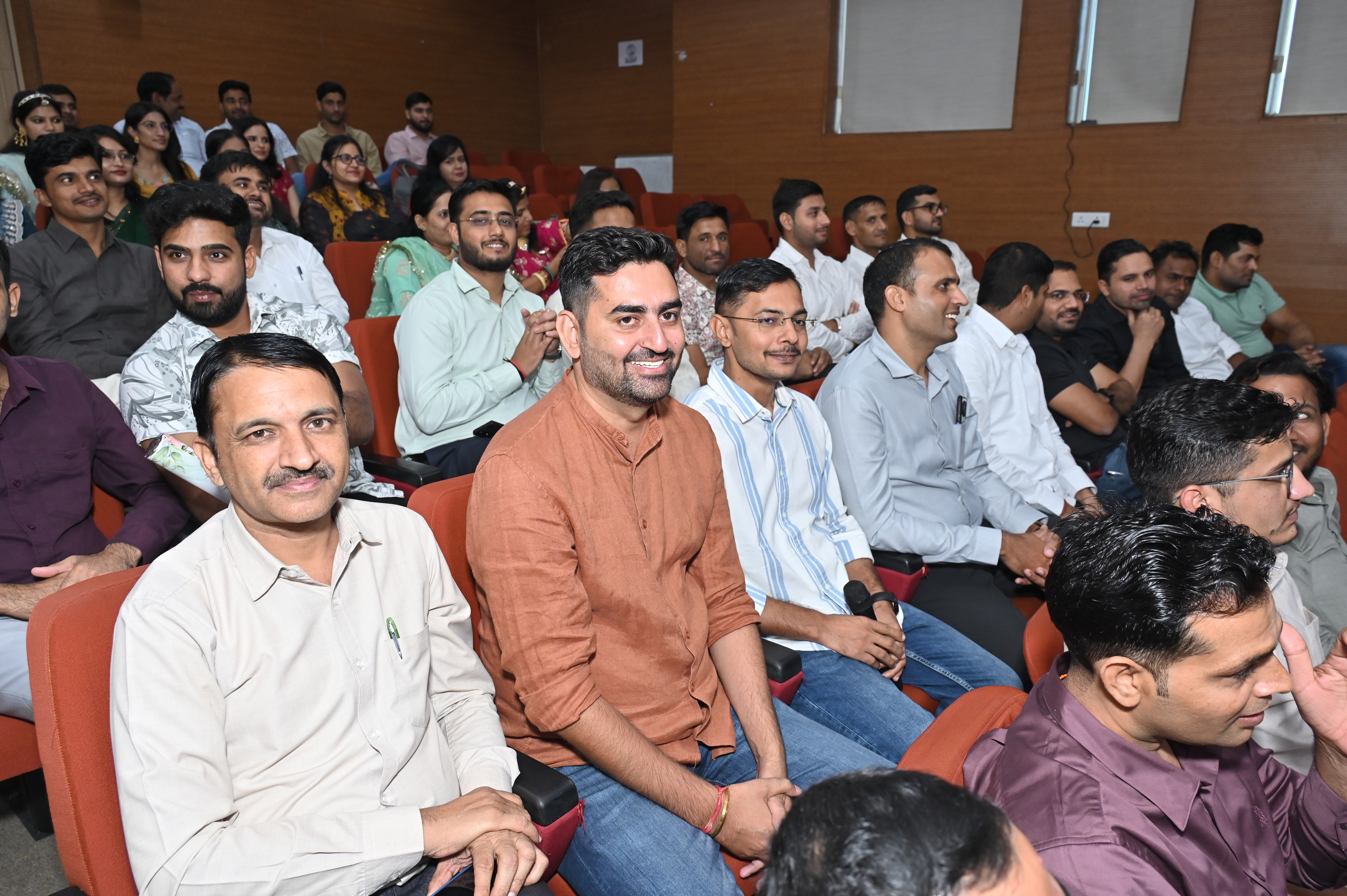
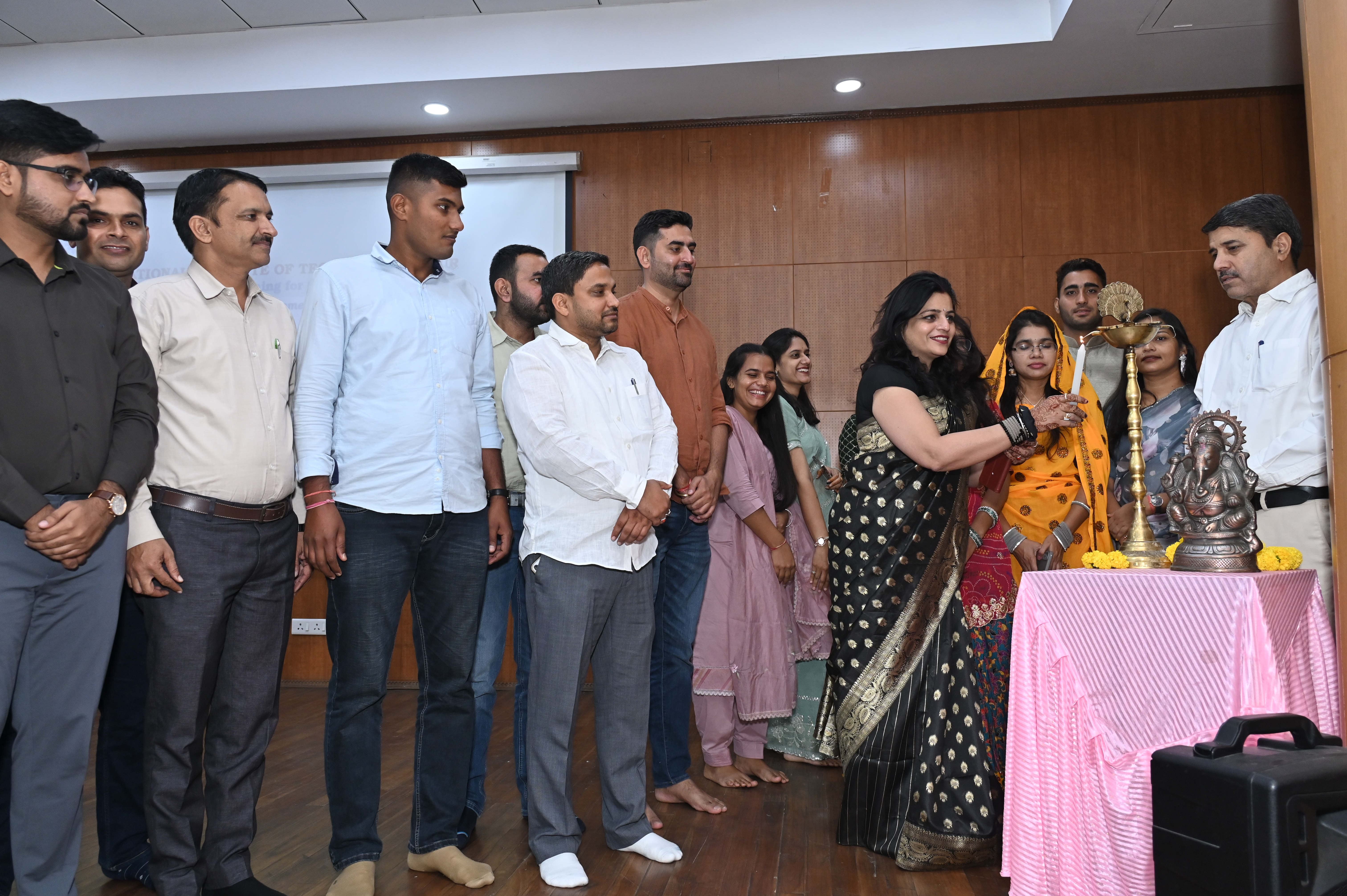
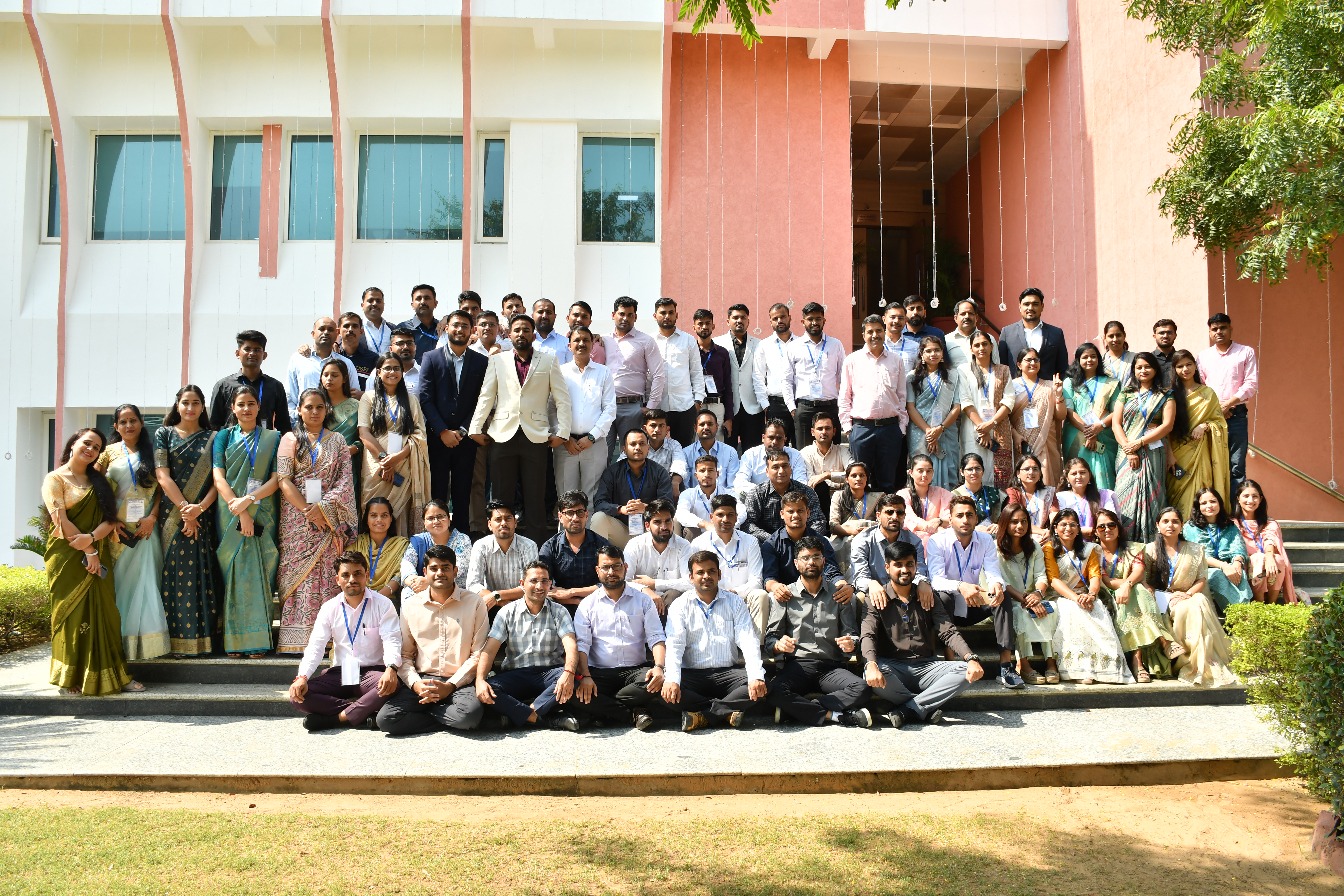
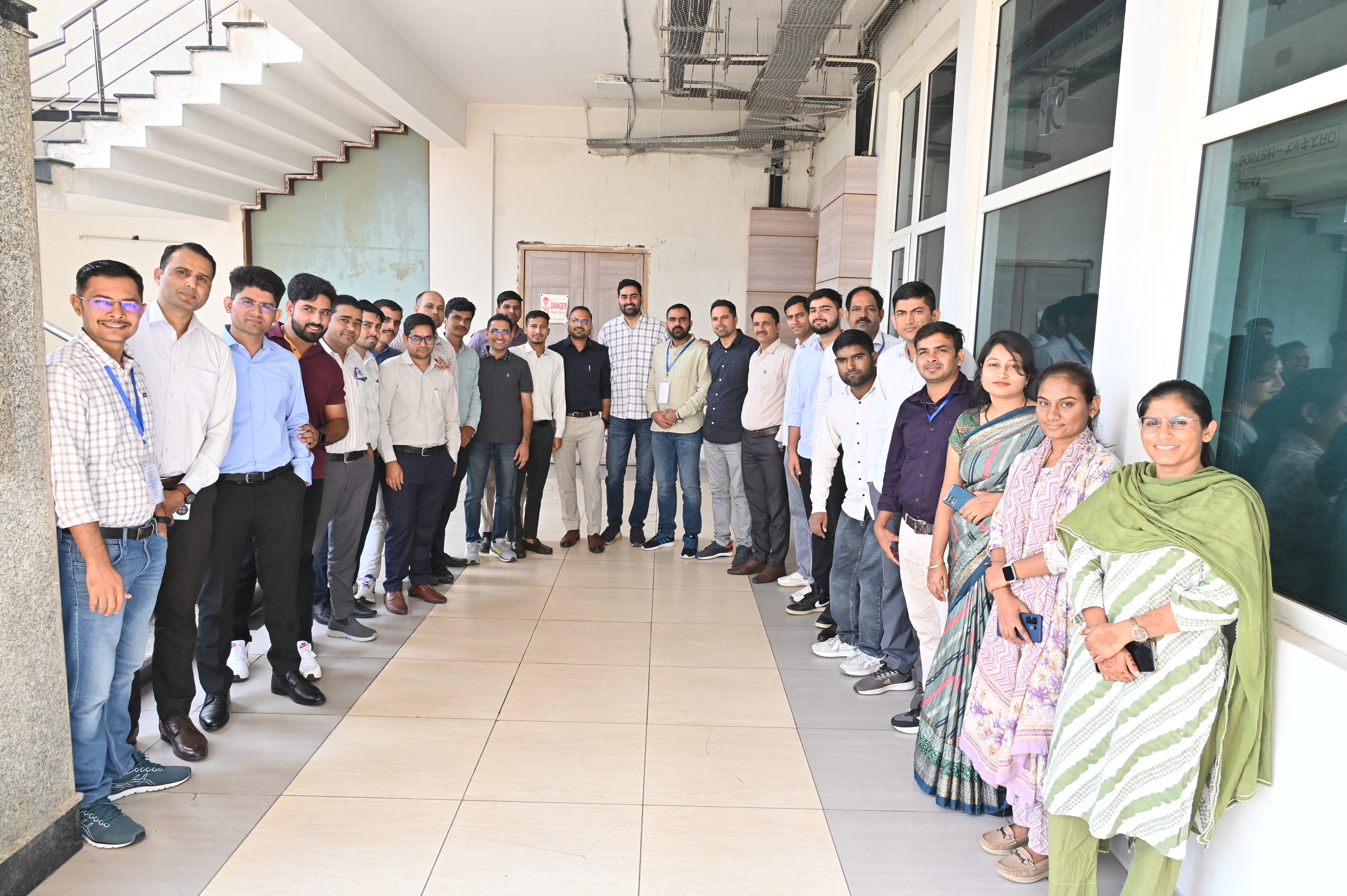
The 45-day training programme conducted by the AMRUT Centre of Urban Planning for Capacity Building, MNIT Jaipur, was a comprehensive capacity-building initiative designed for newly recruited Executive Officers (EO IV) and Revenue Officers (RO II). The programme covered a wide range of topics including urban governance, municipal laws, urban planning, finance management, e-governance, infrastructure services, and environmental sustainability. It combined expert lectures, hands-on exercises, exposure visits, participant presentations, and assessments to strengthen both theoretical understanding and practical skills. Overall, the training aimed to enhance administrative efficiency, technical competence, and decision-making capabilities of officers serving in Urban Local Bodies across Rajasthan.
- It provided comprehensive exposure to urban governance, municipal laws, town planning, finance management, and service delivery mechanisms in Urban Local Bodies.
- The programme included expert lectures by senior administrators, academicians, and domain specialists from state and national institutions.
- Practical learning was emphasized through hands-on exercises, case studies, exposure visits to infrastructure facilities, and field-based learning.
- Sessions on e-governance, Service Rules, Conduct Rules, Swachha Bharat Abhiyaan, RSS Rules, Medical Rules, Pension Rules, GIS applications, environmental management, and statutory compliance strengthened technical and digital competencies.
- Participant presentations, group discussions, and written assessments helped evaluate learning outcomes and encourage peer-to-peer knowledge sharing.
- Overall, the training enhanced professional skills, administrative efficiency, and preparedness of officers to address complex urban development challenges effectively.
- Presentations, Feedback and Disscussion.

Dates: 16 December, 2025
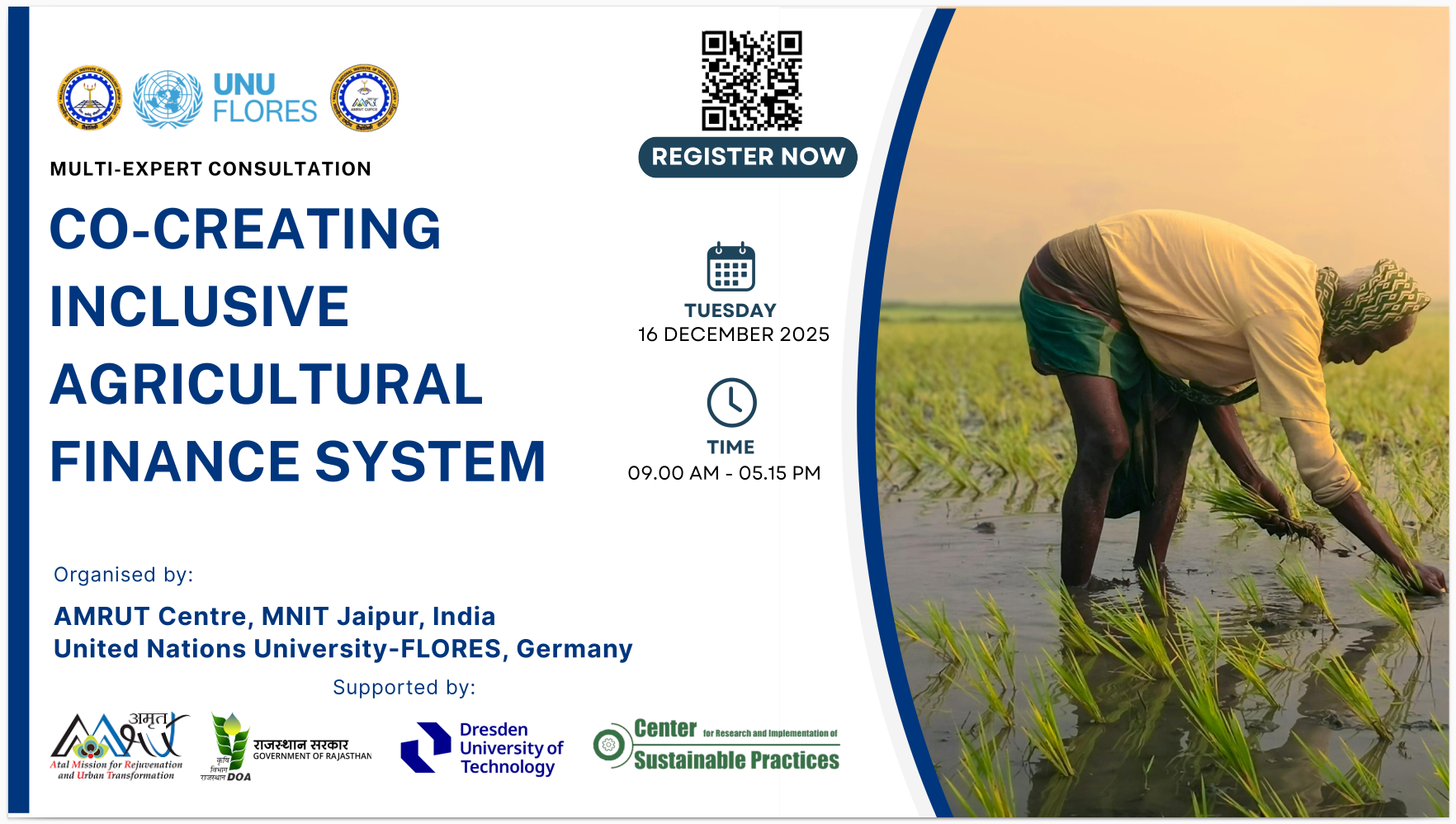
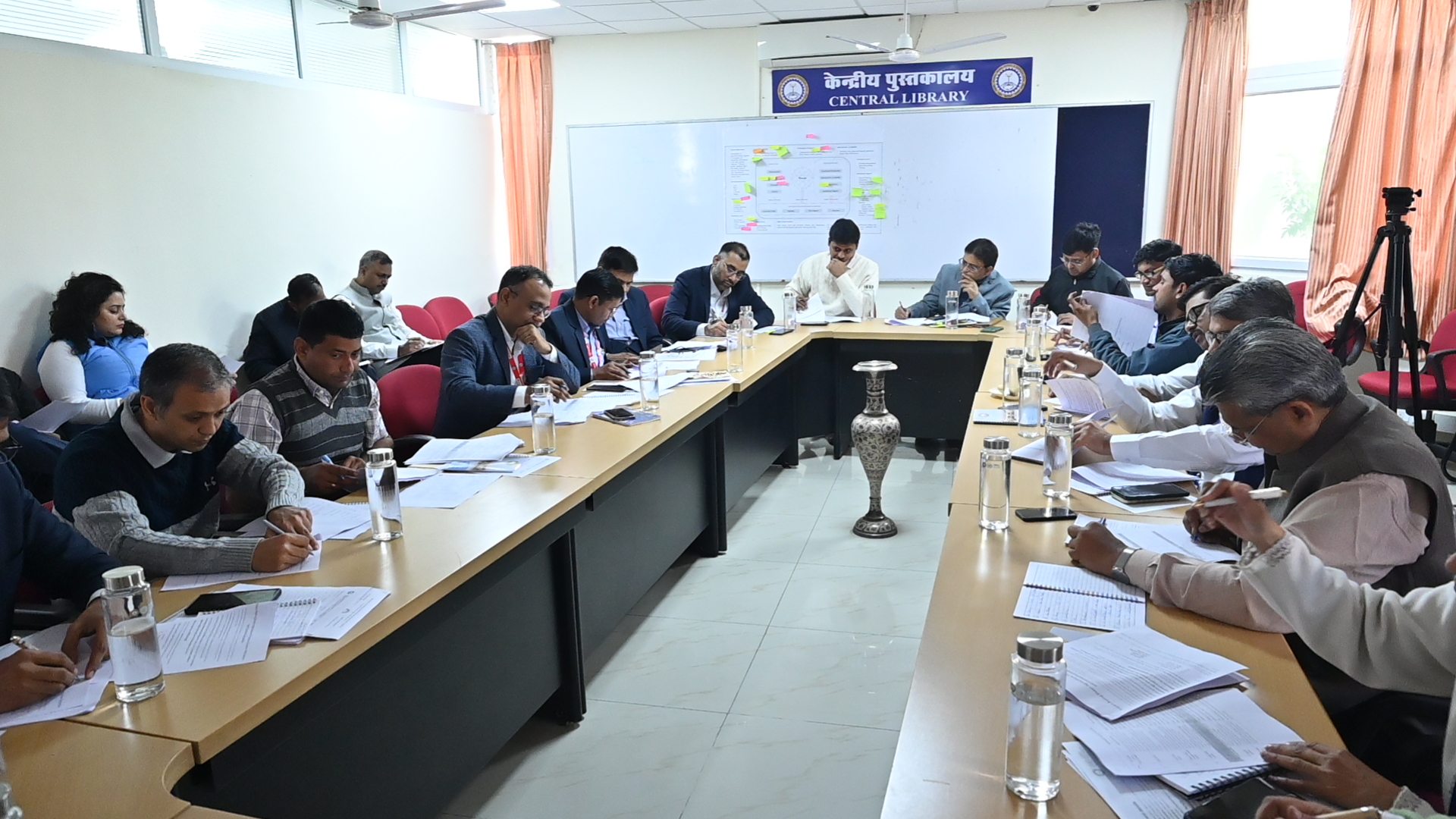
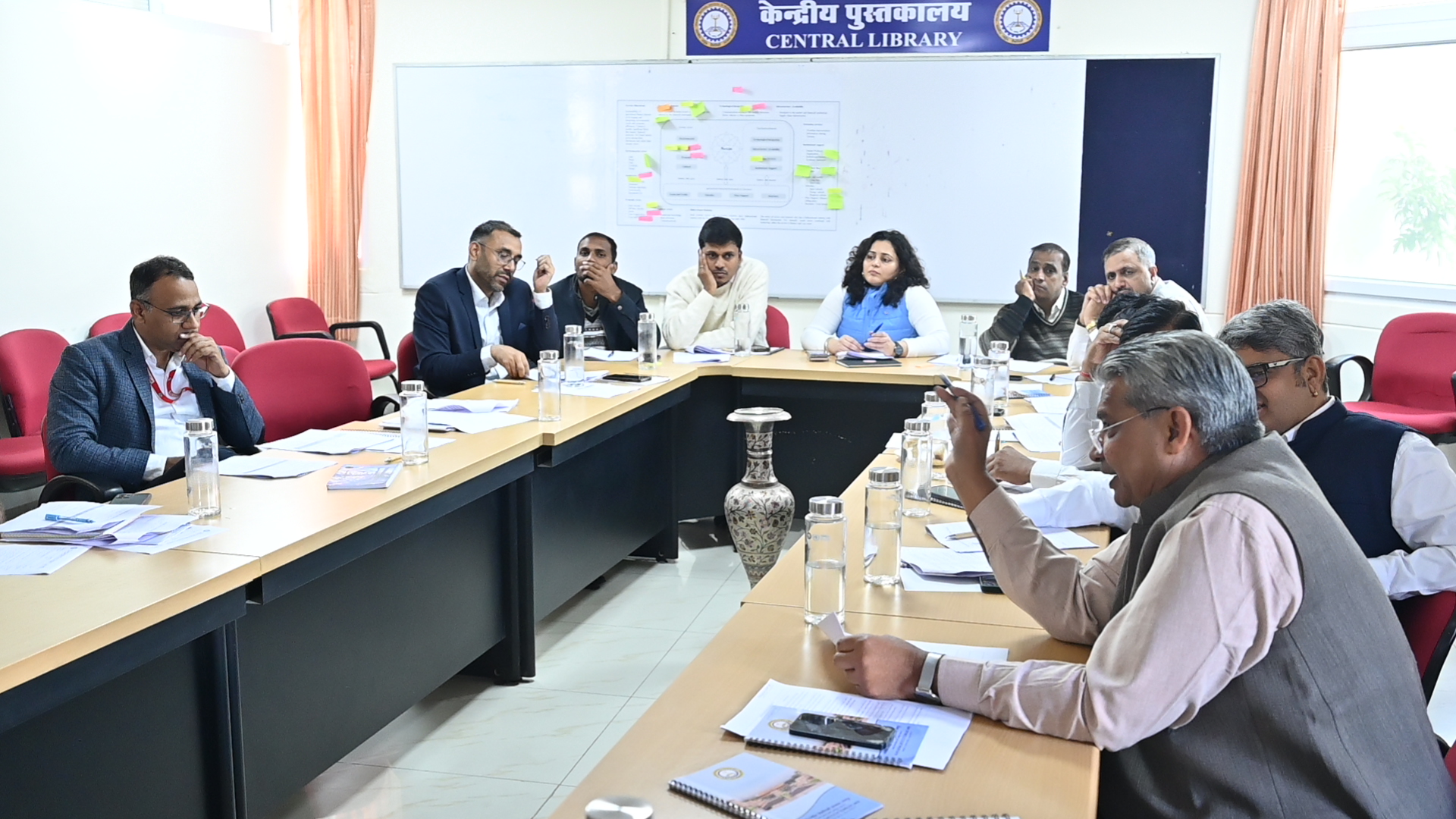
The primary objective of the event was to facilitate a structured, multi-stakeholder dialogue to identify, contextualize, and validate the agricultural finance ecosystem in Rajasthan and to collaboratively identify constraints, enablers, and pathways toward a more inclusive and resilient system. The dialogues emphasized co-creation, knowledge exchange, and system mapping, drawing upon both research insights and field-level experiences.
- Round 1 focused on mapping the components of the agricultural finance system, drawing attention to linkages between finance, agronomy, climate, technology, institutions, and social dynamics.
- The programme included expert lectures by senior administrators, academicians, and domain specialists from state and national institutions.
- A synthesis and discussion session enabled participants to reflect on key insights and emerging patterns from the first round..
- Round 2 involved a deeper thematic exploration, prioritization of critical system components, and influence mapping to identify leverage points for intervention.
- The day concluded with a final synthesis and reflection session where collective insights were consolidated and potential pathways for collaboration,policy inputs, and pilot initiatives were discussed.
- Presentations, Feedback and Disscussion.


Dates: 18 December- 19 December, 2025
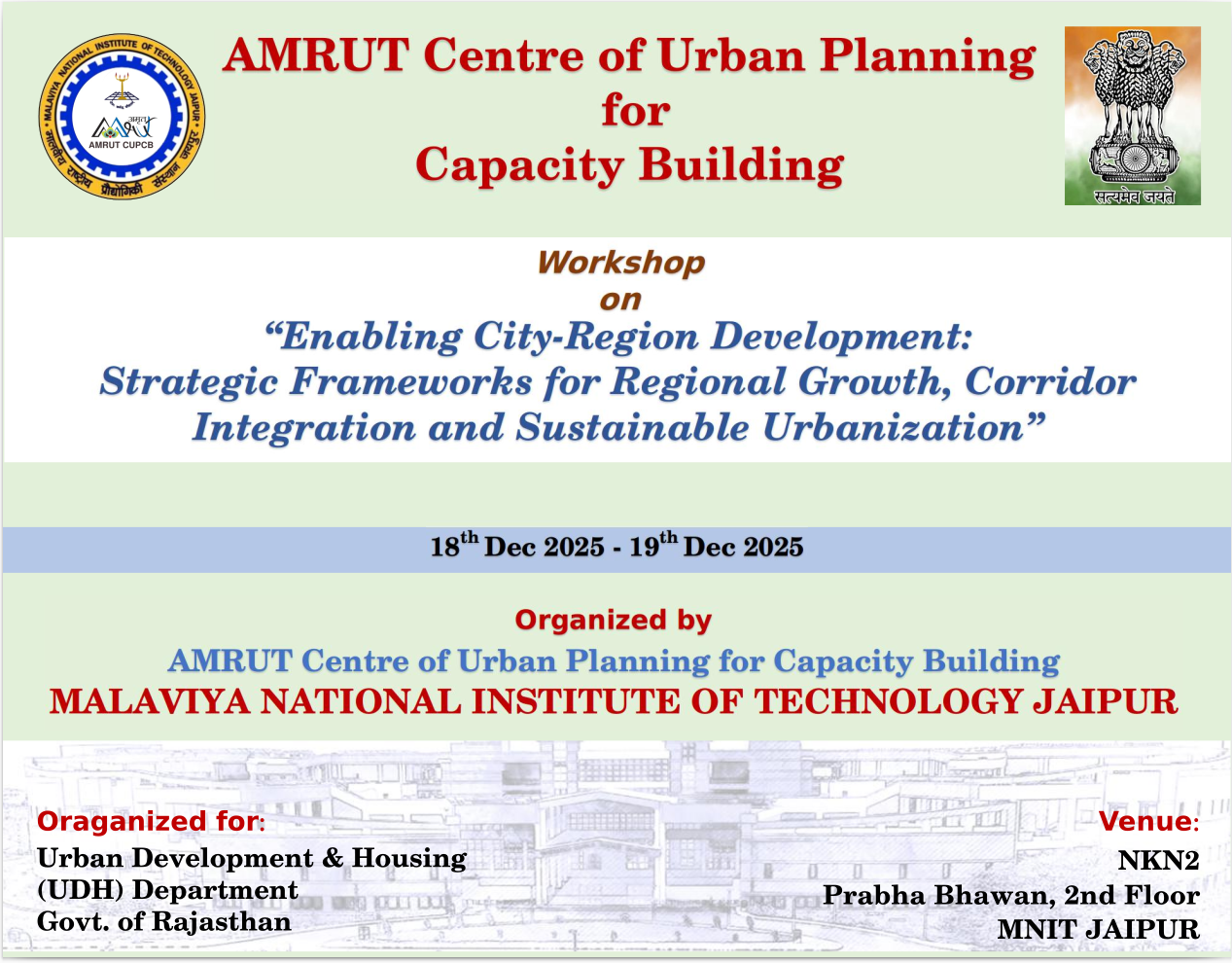
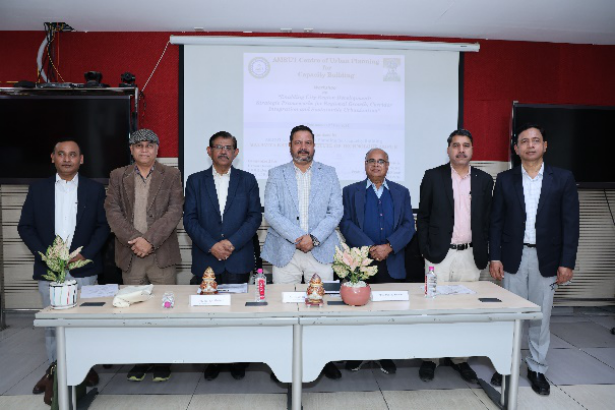
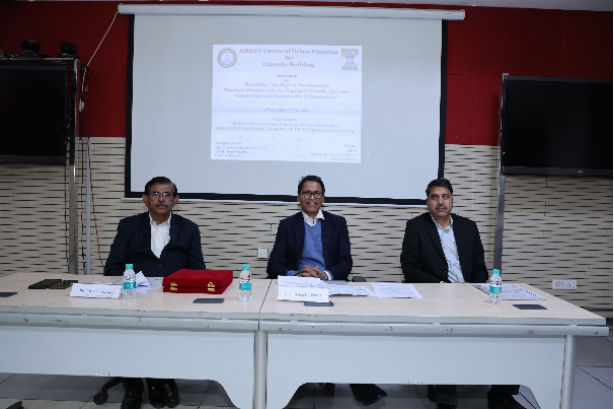
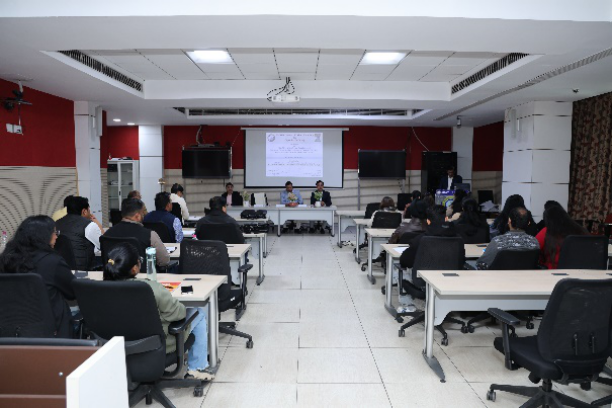
This Two-day workshop on "Enabling City-Region Development: Strategic Frameworks for Regional Growth, Corridor Integration and Sustainable Urbanization" for State Government Officials, Urban Planners, Development Authority Representatives, and Academics on 18th Dec and 19th December 2025, sponsored by the UDH Department. This workshop is crucial for addressing the planning and governance challenges arising from high-growth corridors like the Delhi-Mumbai Expressway (DME), Dedicated Freight Corridor (DFC), Jaipur-Ajmer, Jaipur-Kota, and Jaipur-Sikar, which are creating complex multi-district city-regions. Existing institutional structures (ULBs, UITs, DAs, Panchayats) and planning tools are often fragmented and insufficient to manage this regional scale of growth, leading to jurisdictional mismatches and infrastructural gaps.
- To analyze regional development dynamics shaped by investment corridors and delineate city-regions and multi-district growth areas - based on functional economic, mobility, environmental, and peri-urban linkages.
- To identify institutional and governance gaps including regulatory, administrative, and multi-jurisdictional constraints that hinder coordinated, corridor-led regional development.
- T investment-led phasing approaches supported by financing mechanisms and digital/technology systems that synchronize land use, infrastructure, environment, and regional development.
- Presentations, Feedback and Disscussion.

Dates: 05th Jan- 10th January, 2026

The Centre for Rural Development, AMRUT Centre for Urban Planning and Capacity Building, and Civil Engineering Department, at Malaviya National Institute of Technology Jaipur, organized a six-day Short-Term Training Program (STTP) for engineers of Watershed Development and Soil Conservation (WD&SC) Department, Govt. of Rajasthan on “Detailed Project Report Preparation (DPR) for Watershed Development Using Remote Sensing and GIS” from January 05 -10, 2026. As per the approved proposal, a total of 28 officials from WD&SC attended the STTP of the total participants, one was designated as SE (Superintendent Engineer), 2 as EE (Executive Engineer), 11 as AE (Assistant Engineer), 11 as JE (Junior Engineer), and 3 as GIS Experts.
- Overview of the use of Spatial Technologies for watershed planning.
- Introduction of Remote Sensing & GIS Technologies
- Demonstration of Image Processing Software.
- Demonstration of ArcGIS and its basic functionality.
- Exploring the watershed Thematic layers and extraction of information for DPR preparation.
- DPR Preparation, steps involved and data requirements.
- Data analysis in GIS like overlay, proximity, and statistical; Use of spatial analyst and 3D analysis in GIS, DEM, Slope generation.
- Planning of watershed intervention works using GIS.
- Hydrological analysis: Estimation of surface, peak runoff and design values.
- Hands-on exercise on runoff estimation and peak runoff estimation, IDF Curve Generation and hydrological modelling using SWAT
- Hands-on exercise for Planning watershed intervention works and their site selection in GIS-1.
- Hand-on exercise for Planning watershed intervention works and their site selection in GIS-2.
- Estimation of quantities required for preparation of DPR.
- Determination of submergence, capacity and volumes for water harvesting structures.
- DPR Preparation for watershed development-I.
- DPR Preparation for Watershed development-II.
- Preparation of output in GIS.
- Presentations, Feedback and Disscussion.



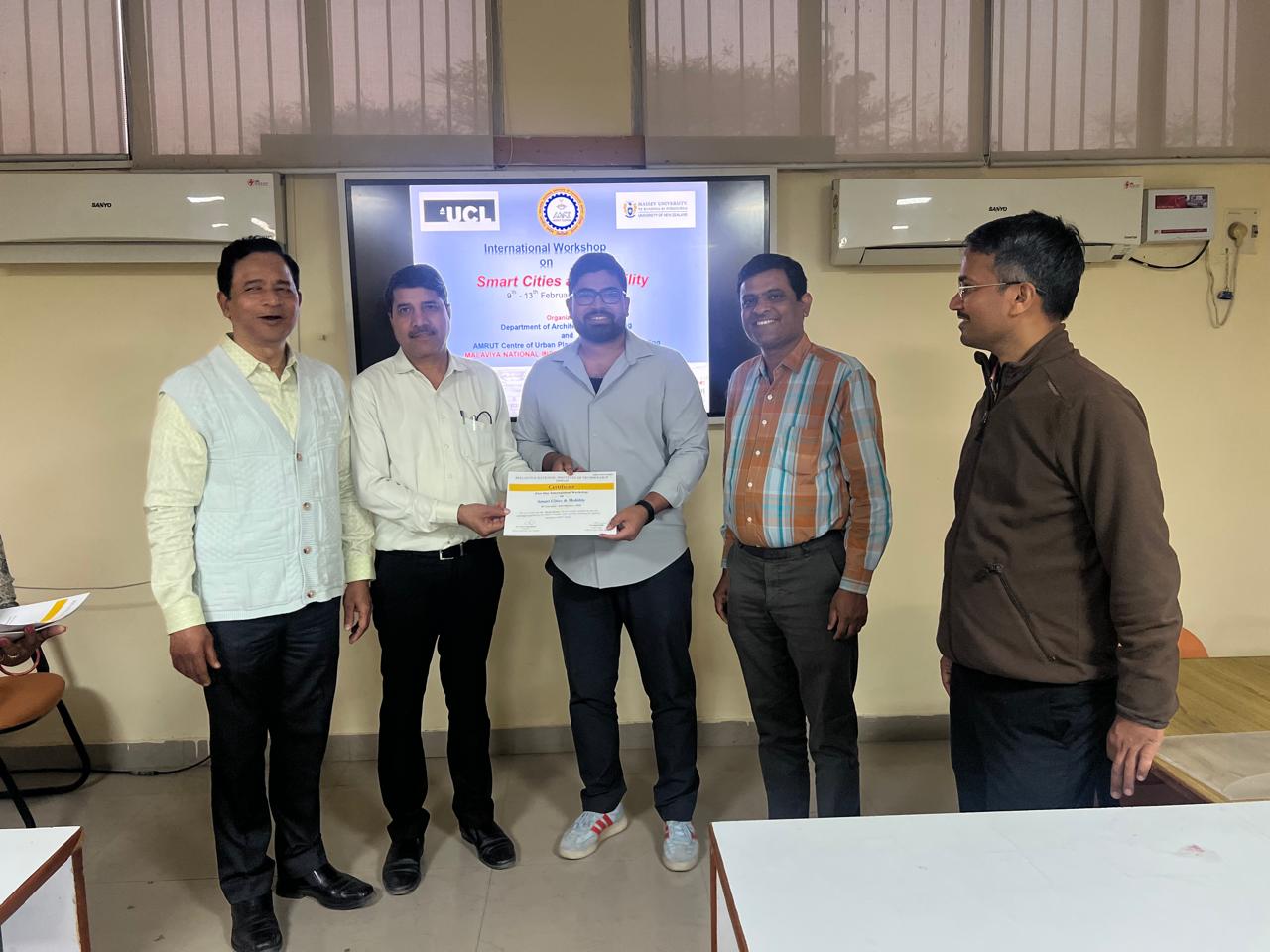
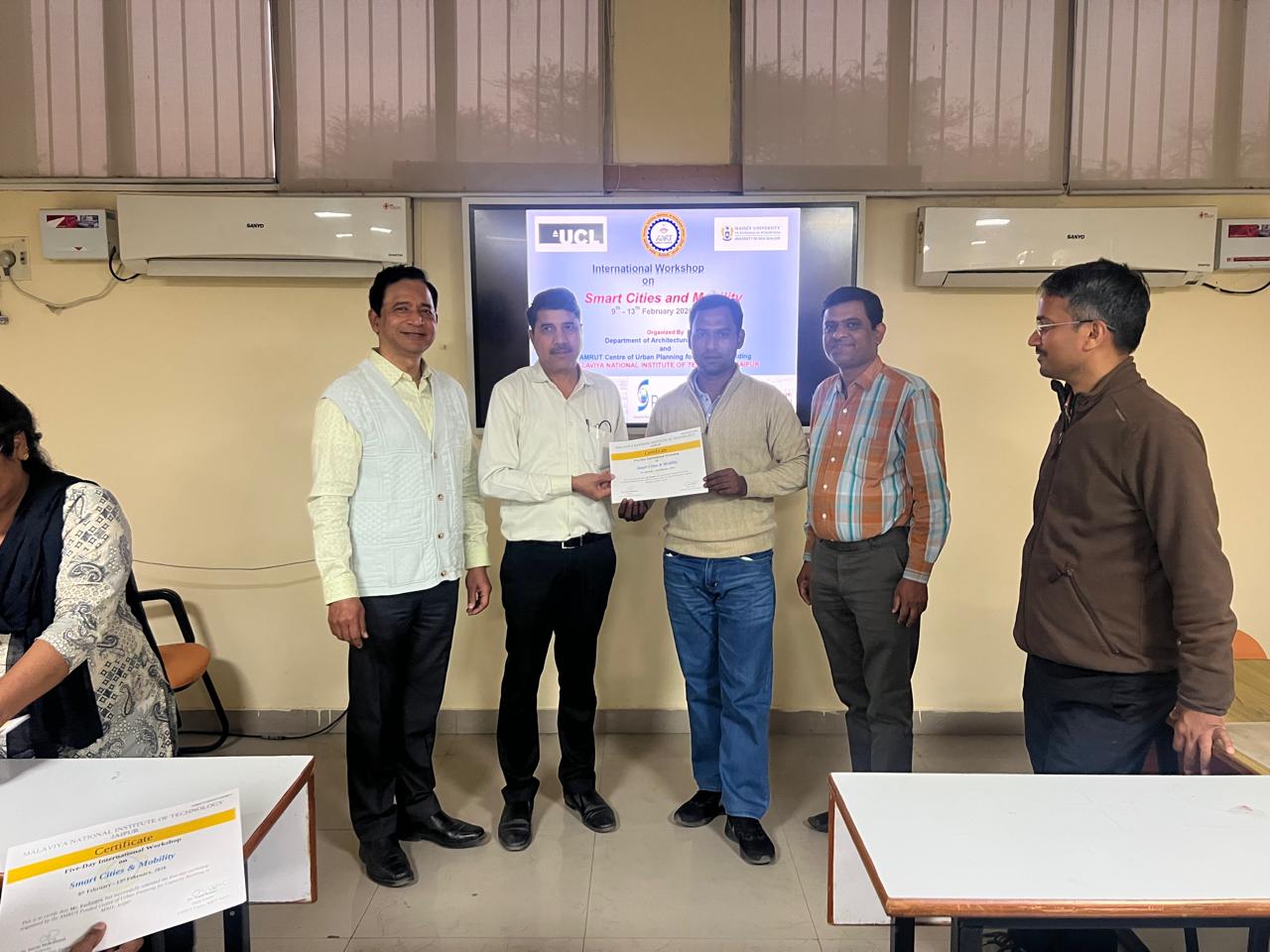
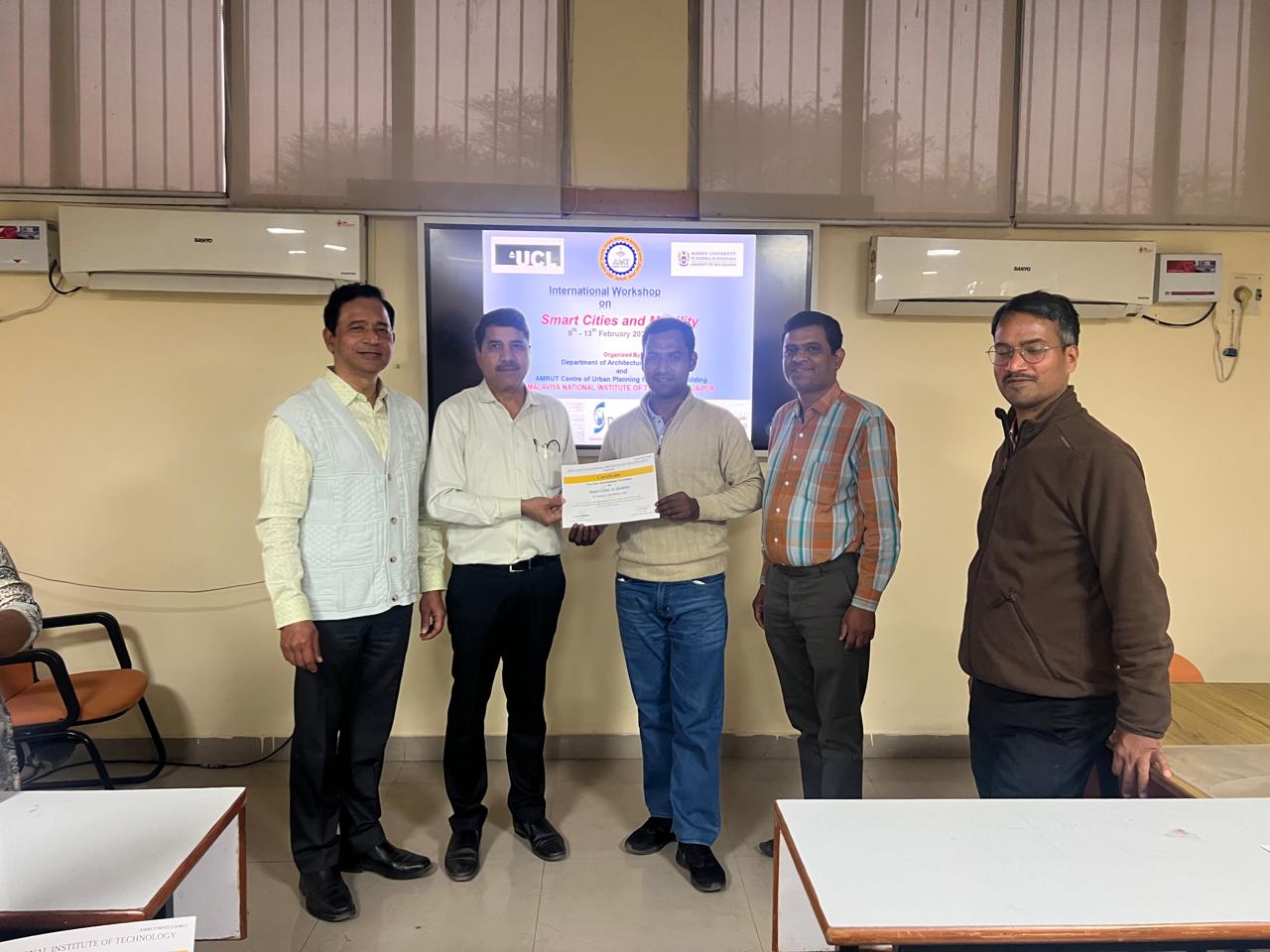
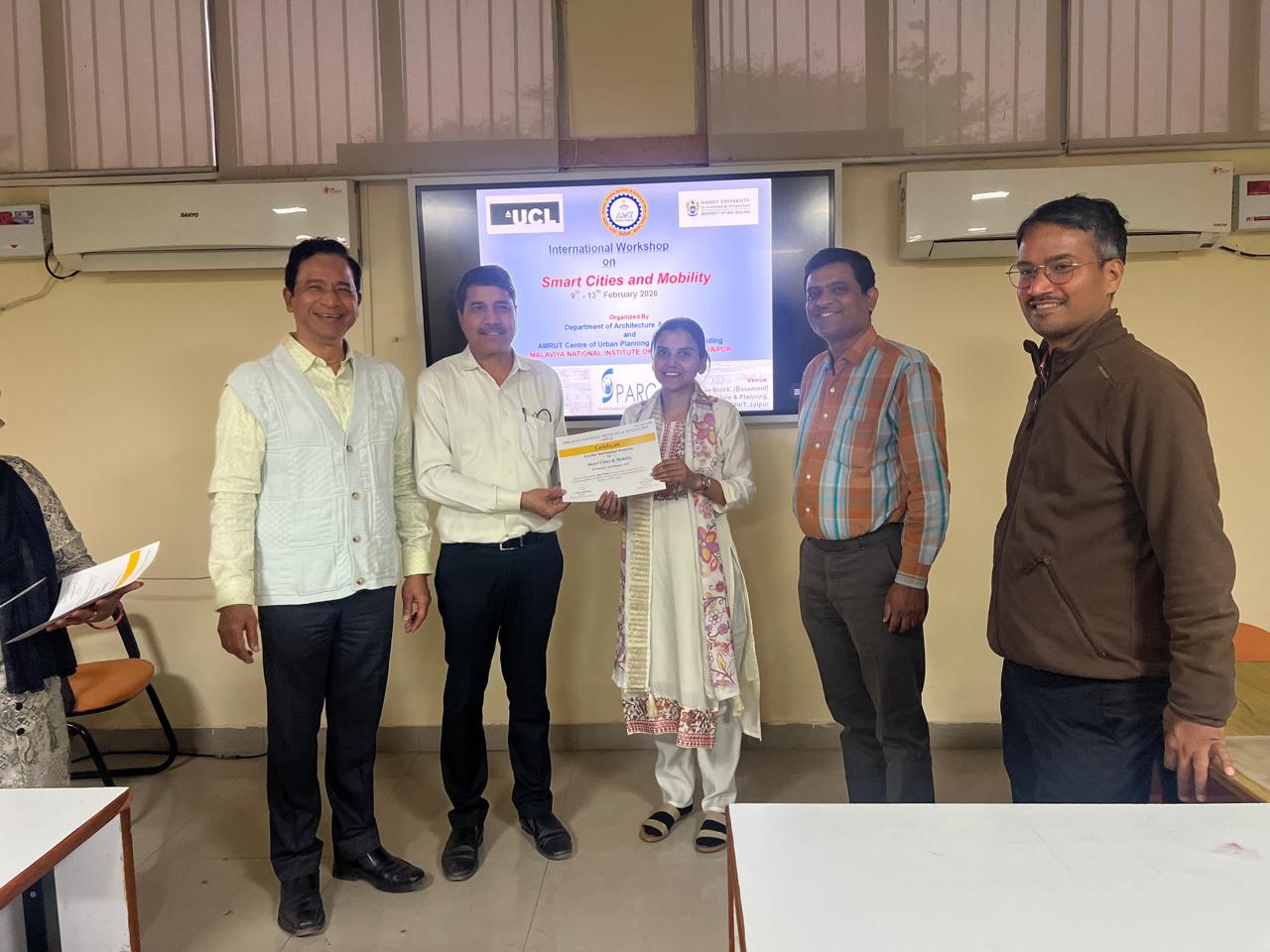
Dates: 9th Feb-13th Feb, 2025

The five-day Workshop programme conducted by the AMRUT Centre of Urban Planning for Capacity Building, MNIT Jaipur, was a comprehensive capacity-building initiative designed for "Smart Cities and Mobility” is dedicated to enhance capacity and awareness in the areas of smart city development, sustainable urban mobility, and advanced transport planning practices. The programme will cover critical aspects including intelligent transport systems, data-driven mobility planning, integration of public transport and non-motorized transport, and emerging mobility technologies. By leveraging Internet of Things (IoT), Geographic Information Systems (GIS), Artificial Intelligence (AI), and Digital Twins, researchers can monitor, simulate, and optimize mobility patterns in real time. Applications range from intelligent traffic system (ITS) and public transit optimization to sustainable mobility planning and multimodal transport integration.
- Explain trends in mobilities research, smart cities and research practice and their relevance to India.
- Share your views on our research SPARC project ‘Capturing complexities of urban mobility in India’.
- Acquire technical skills of programming, data management and reproducible analysis.
- Deliberate on how to promote an Open Access culture in India for smart cities.
- Participant presentations, group discussions, and written assessments helped evaluate learning outcomes and encourage peer-to-peer knowledge sharing.
- Overall, the training enhanced professional skills, administrative efficiency, and preparedness of officers to address complex urban development challenges effectively.
- Presentations, Feedback and Disscussion.
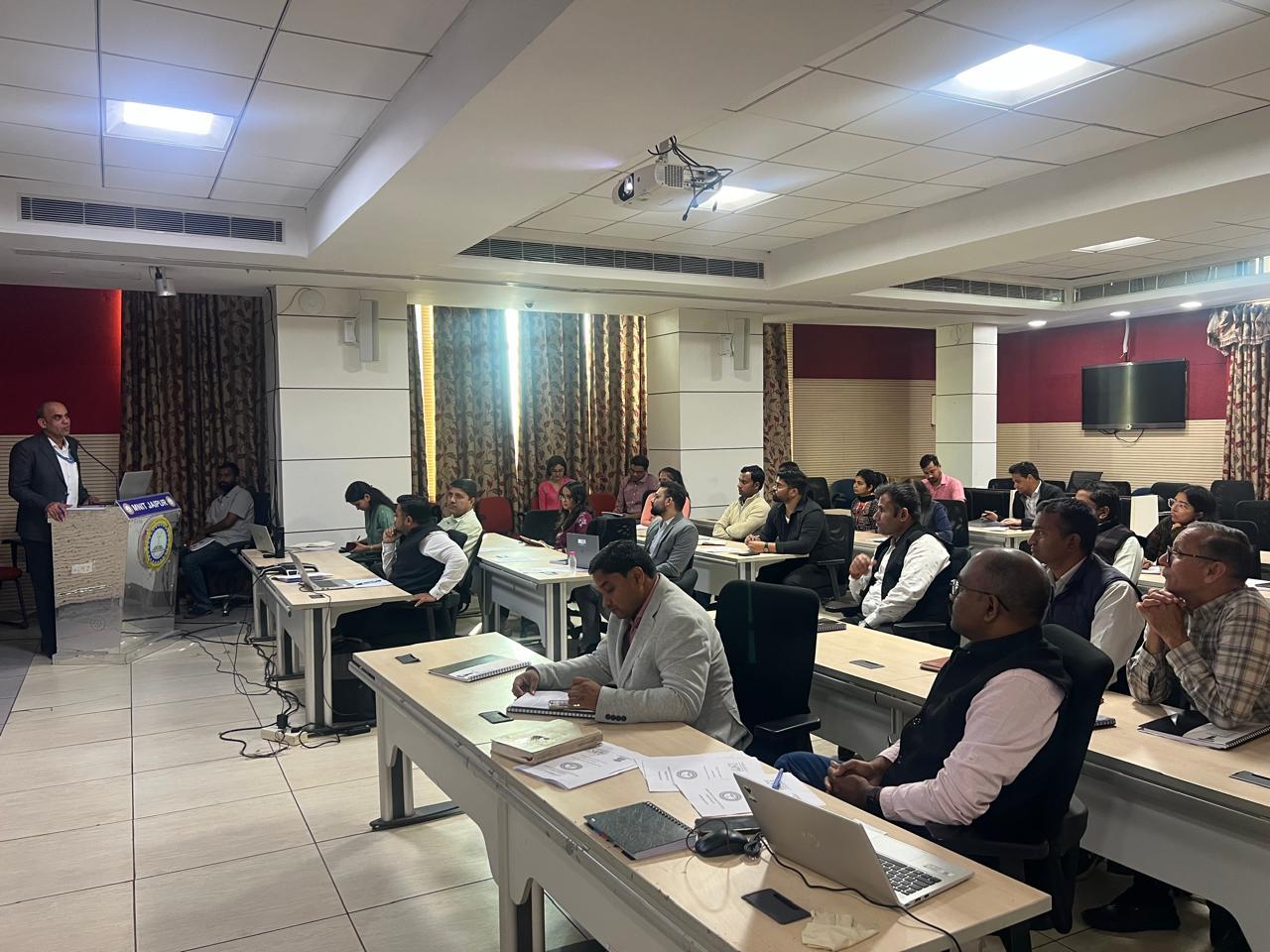
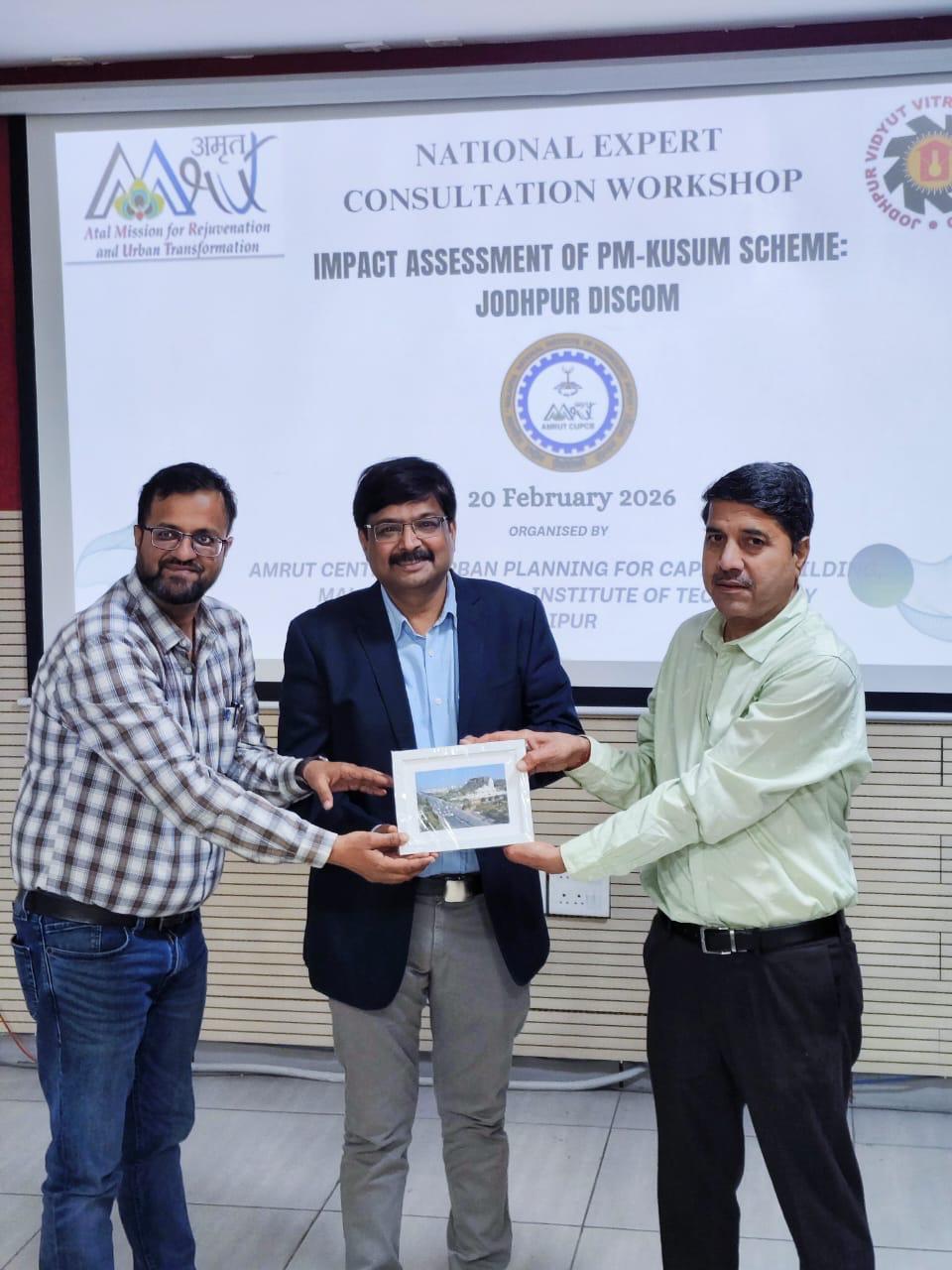
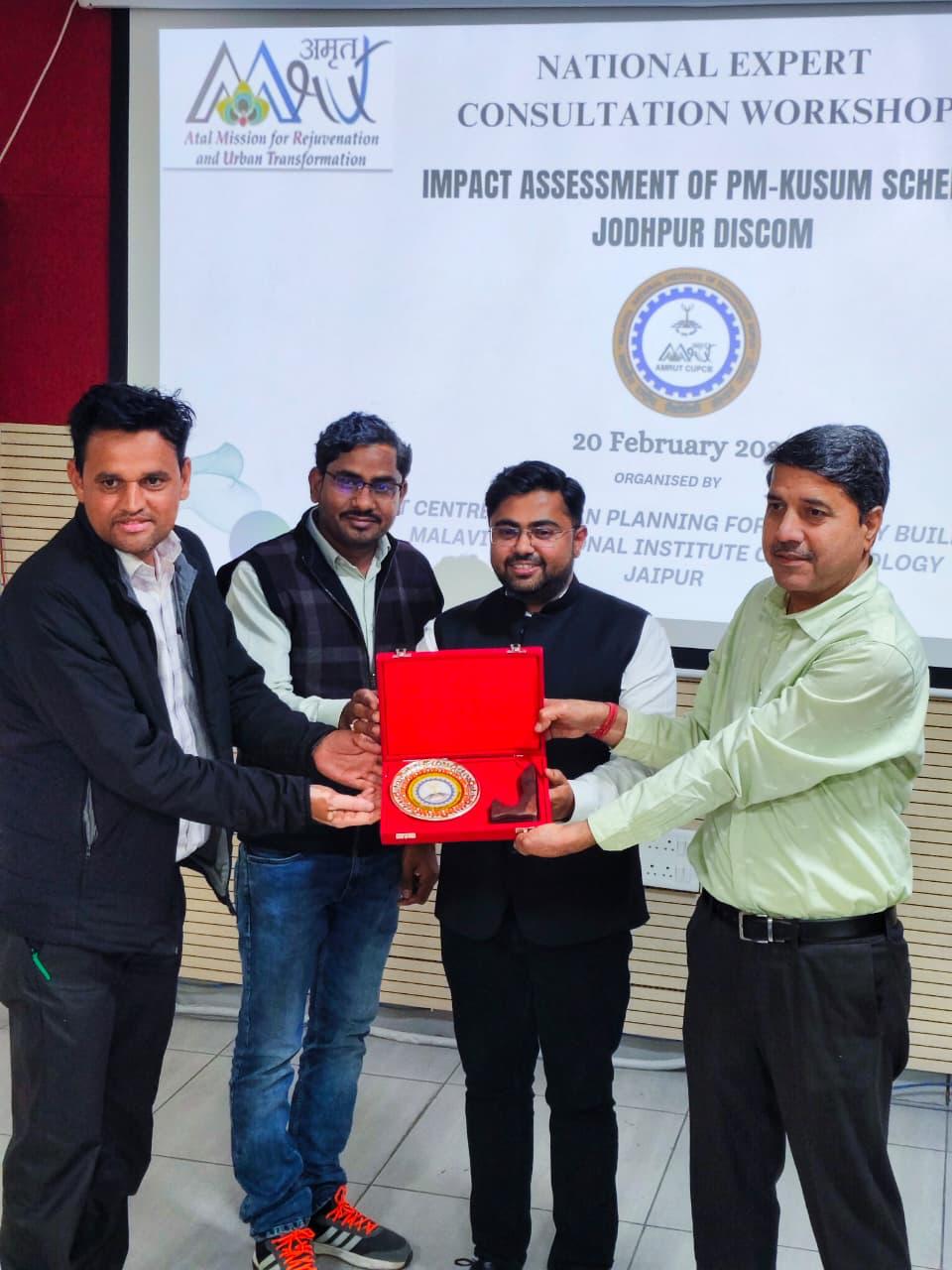
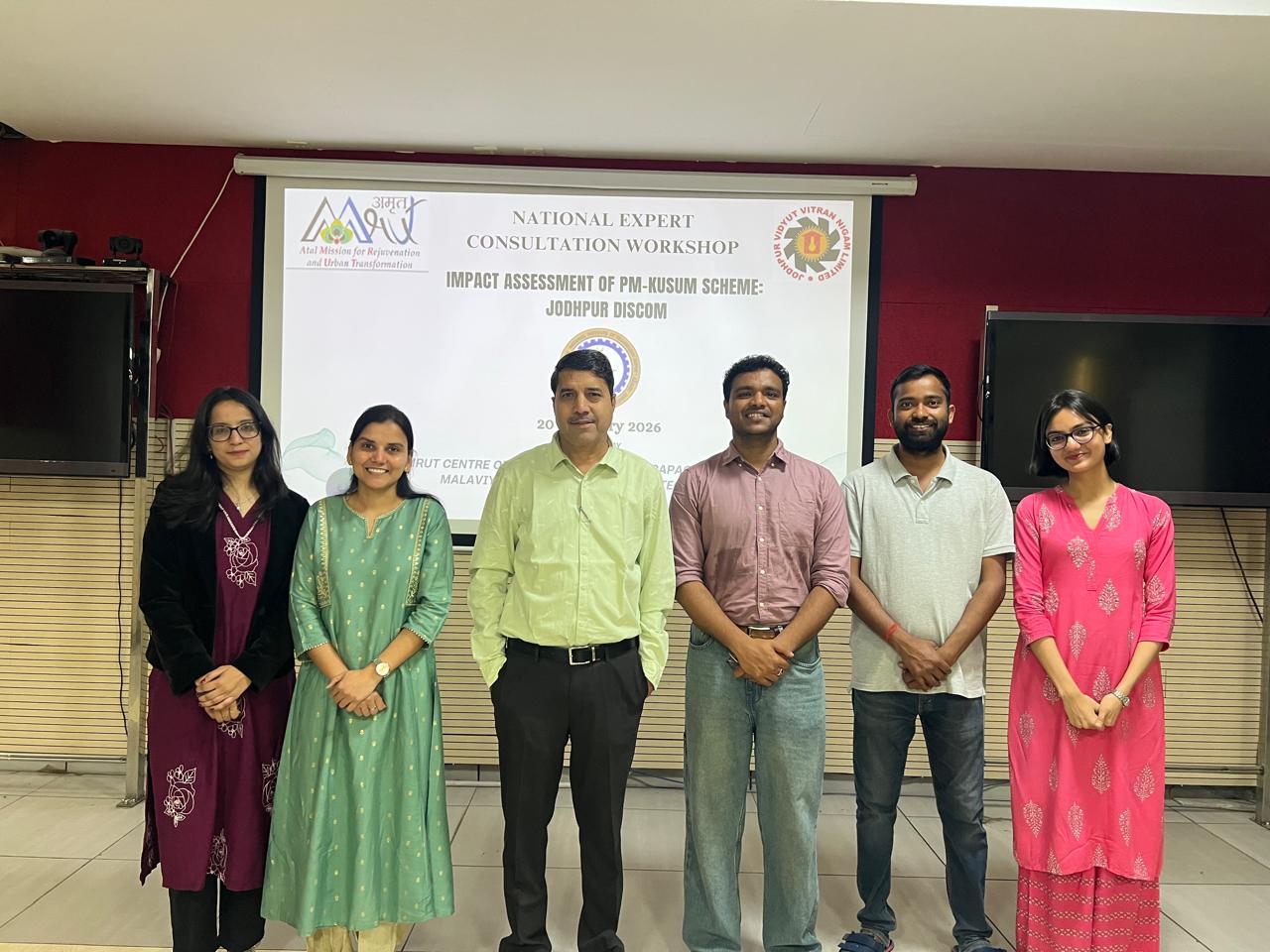
Dates: 20 February, 2026

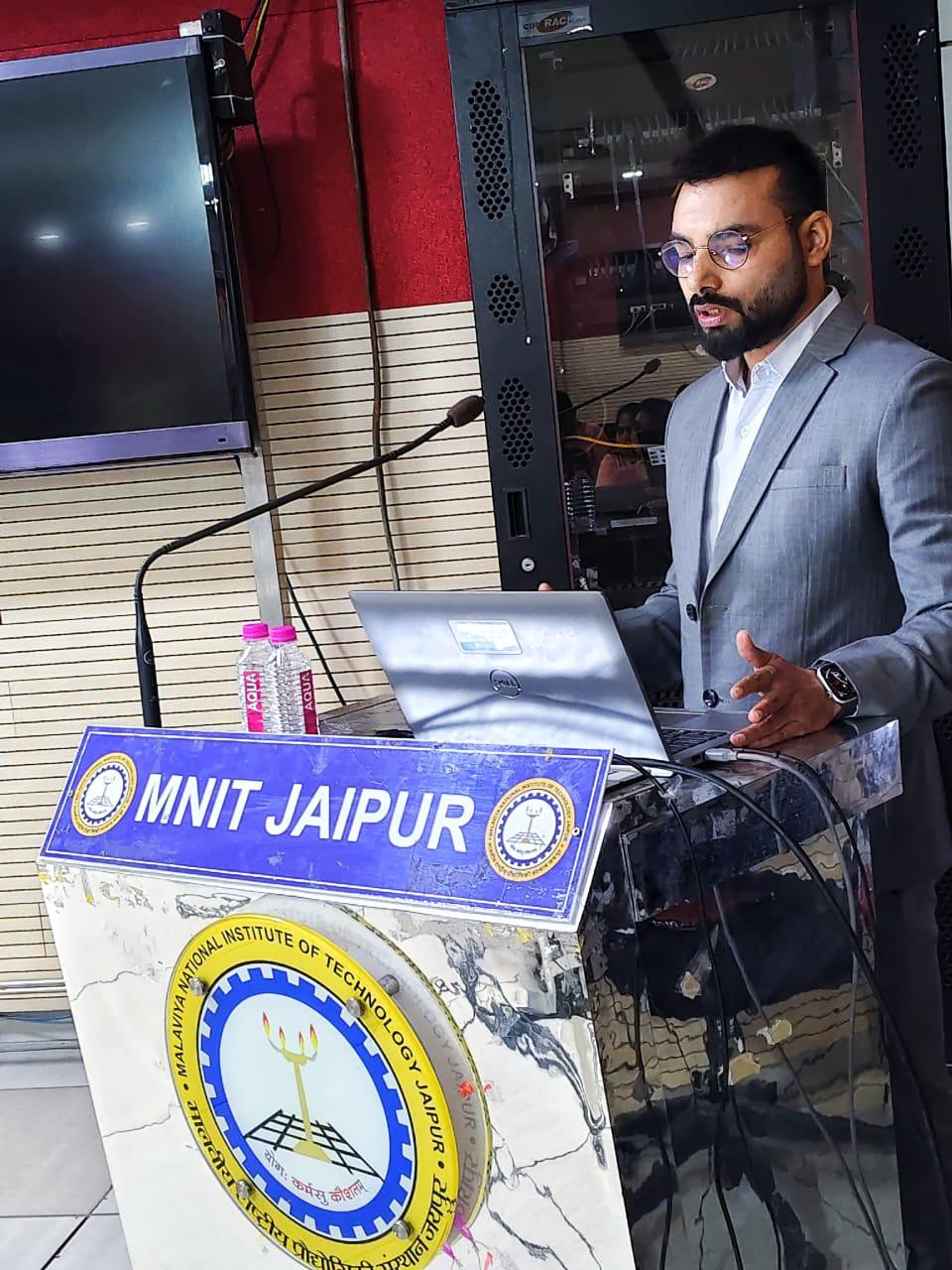
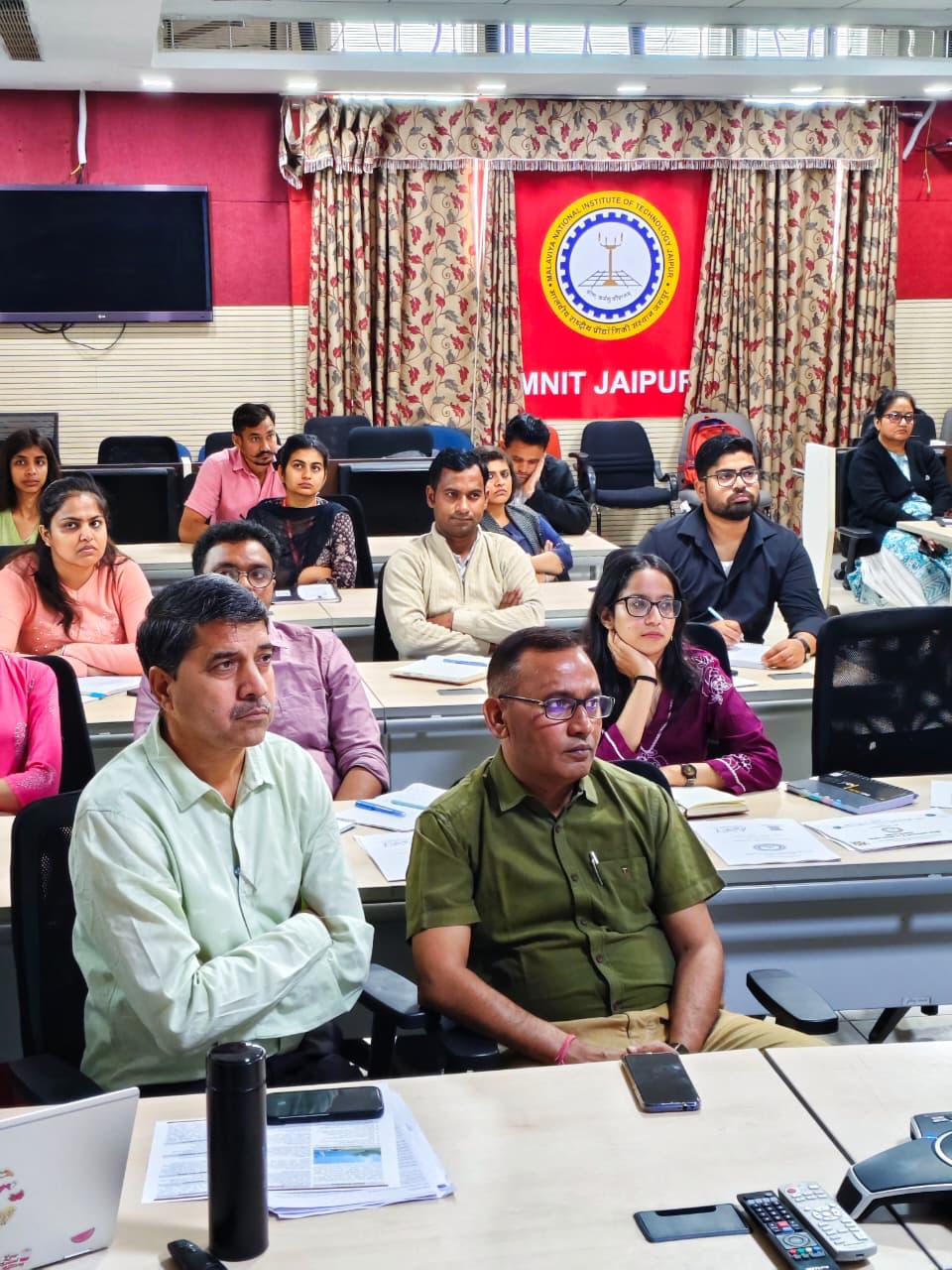
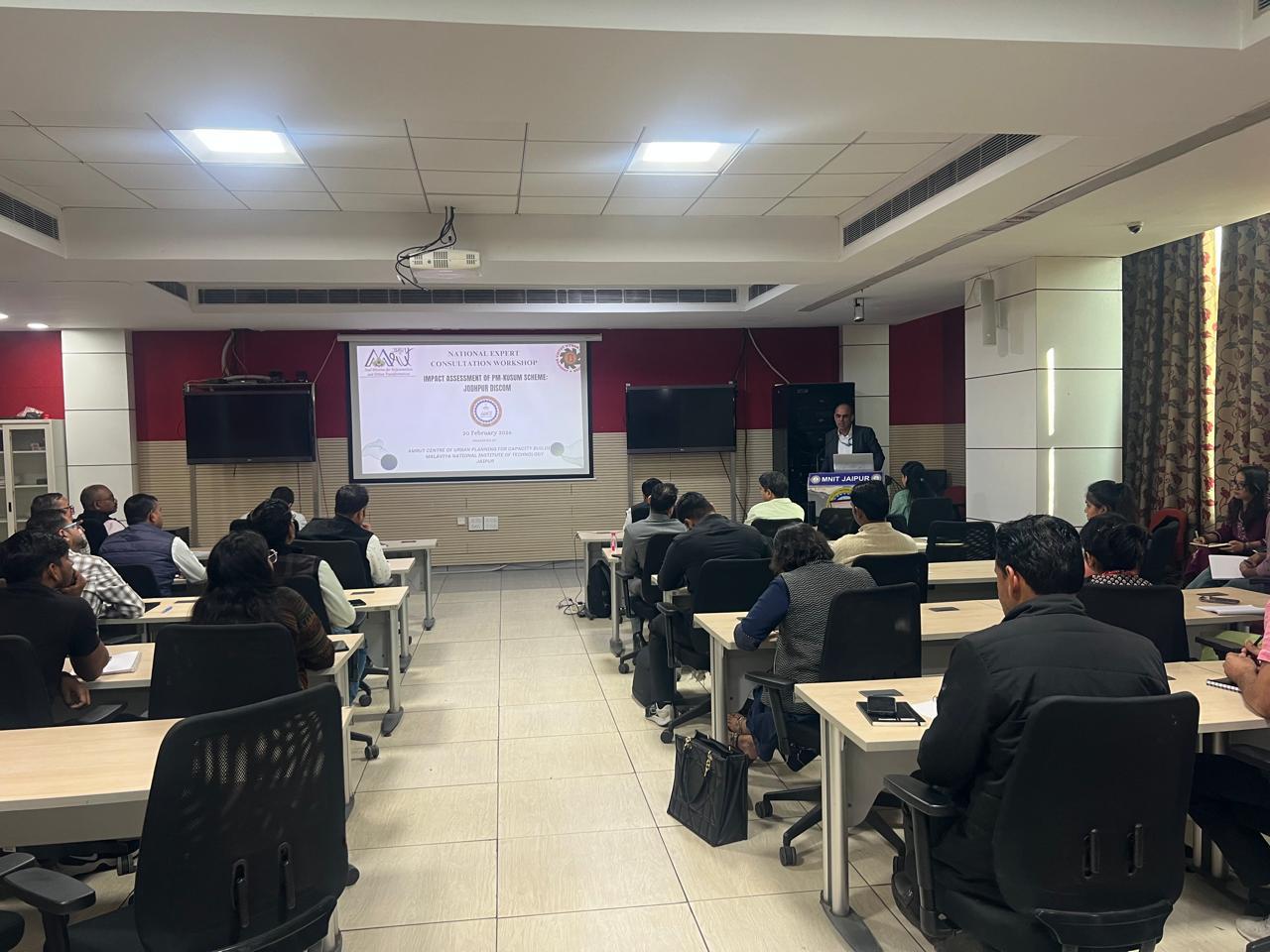
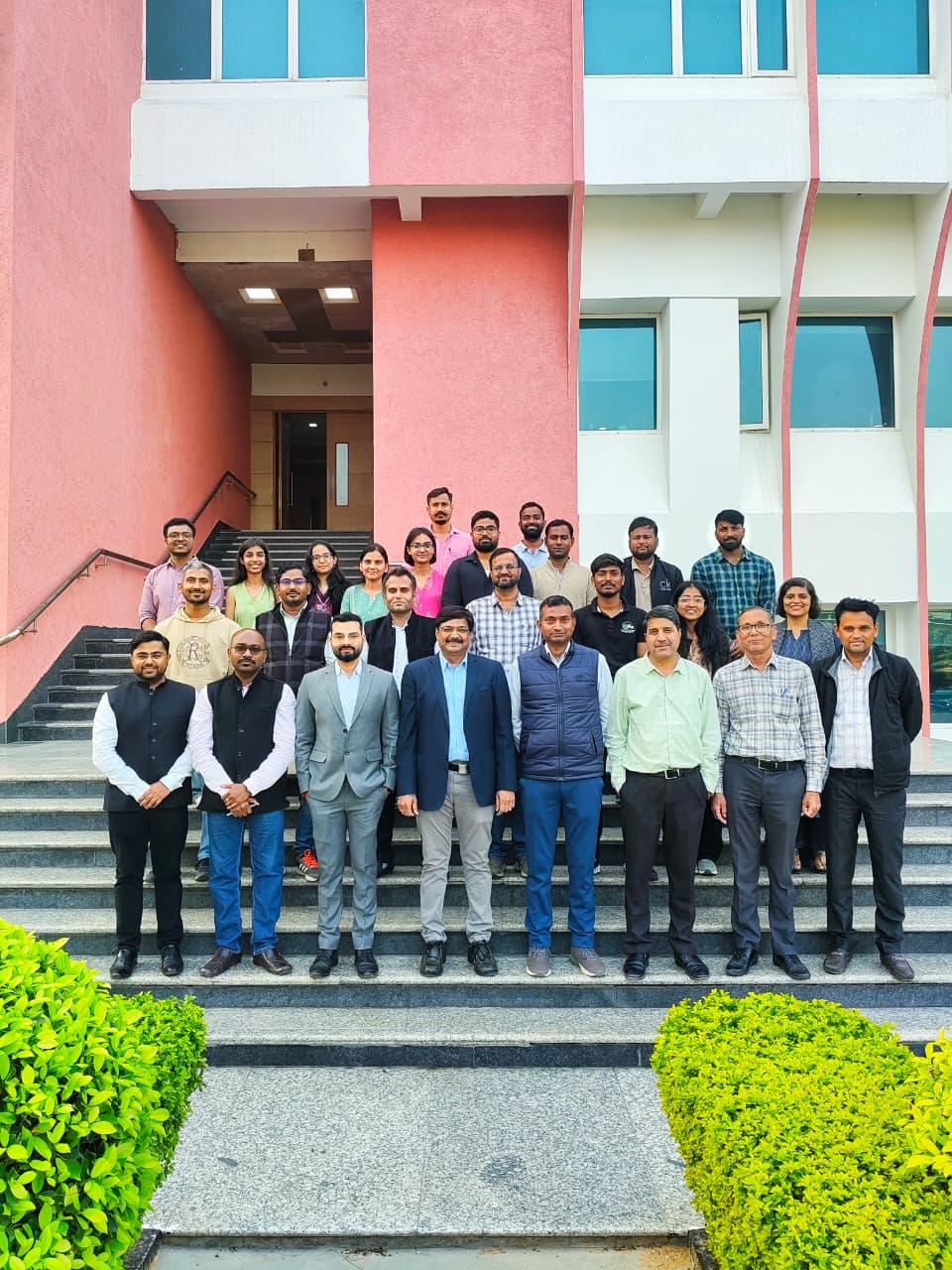
The one-day workshop organized by the AMRUT Centre of Urban Planning for Capacity Building at Malaviya National Institute of Technology Jaipur focused on the impact assessment of the PM-KUSUM Scheme in collaboration with Jodhpur DISCOM. Held on 20 February 2026, it brought together experts, researchers, and DISCOM officials to evaluate the scheme’s performance, financial viability, and implementation, especially Components A and C. The workshop emphasized farmer-level impacts, grid integration, and sustainability of decentralized solar systems, while also refining research methodologies and generating policy recommendations to support India’s agricultural energy transition.
- Performance of the PM-KUSUM Scheme Components A & C across different Indian states.
- Financial viability and subsidy framework of the scheme.
- Impact on farmer income and irrigation costs.
- Grid integration and sustainability of decentralized solar power plants.
- DISCOM perspective: operational, financial, and institutional challenges.
- Implementation bottlenecks and required policy reforms.
- Evidence and case studies from Madhya Pradesh, Rajasthan, and other states.
- Strengthening monitoring, evaluation, and impact assessment frameworks.
- Presentations, Feedback and Disscussion.
Dates: 24 February,2026

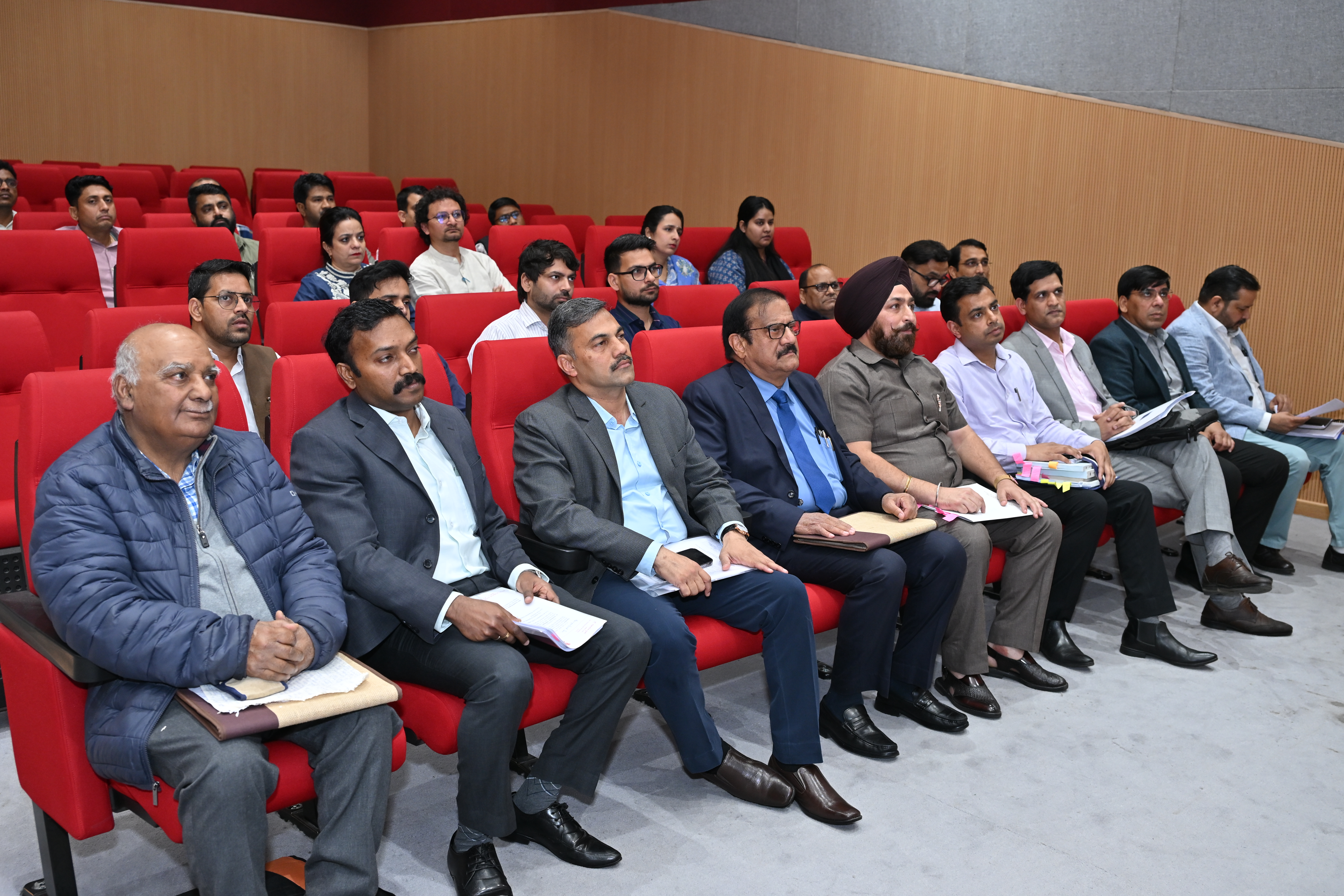
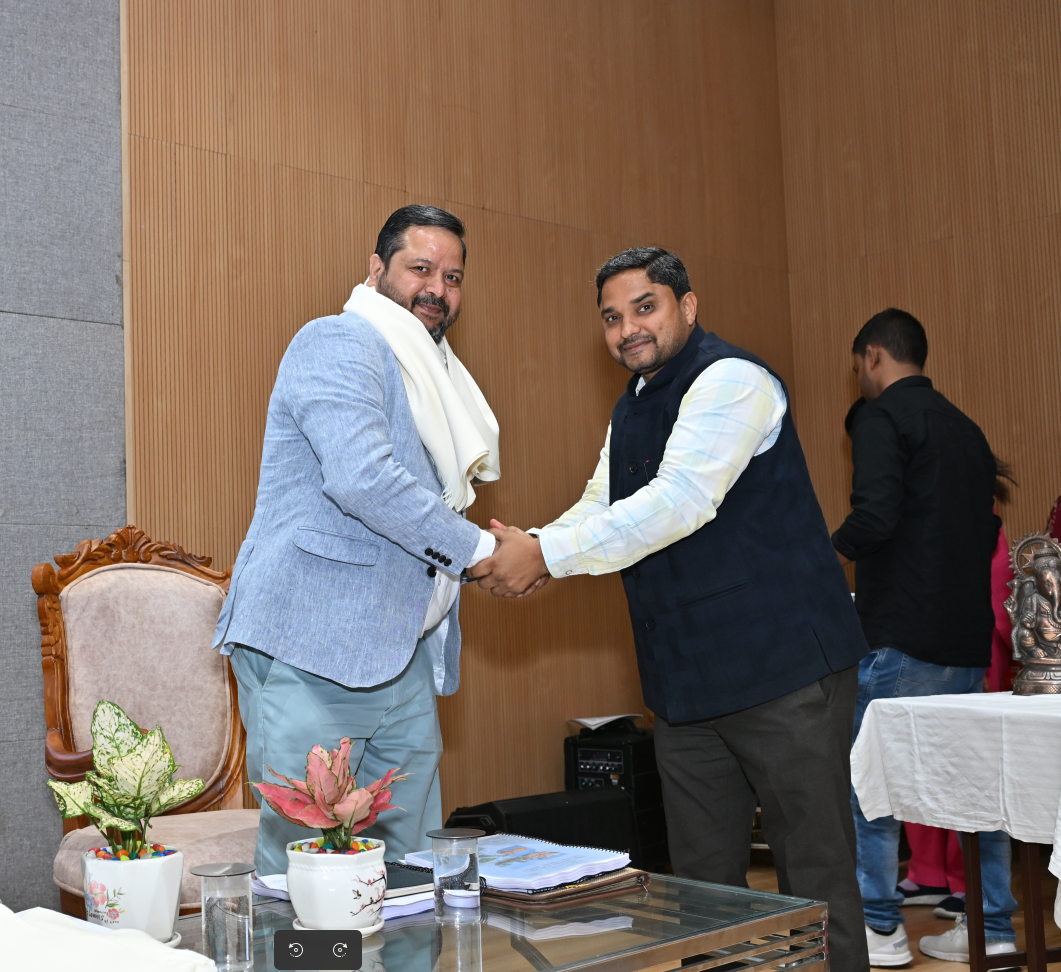
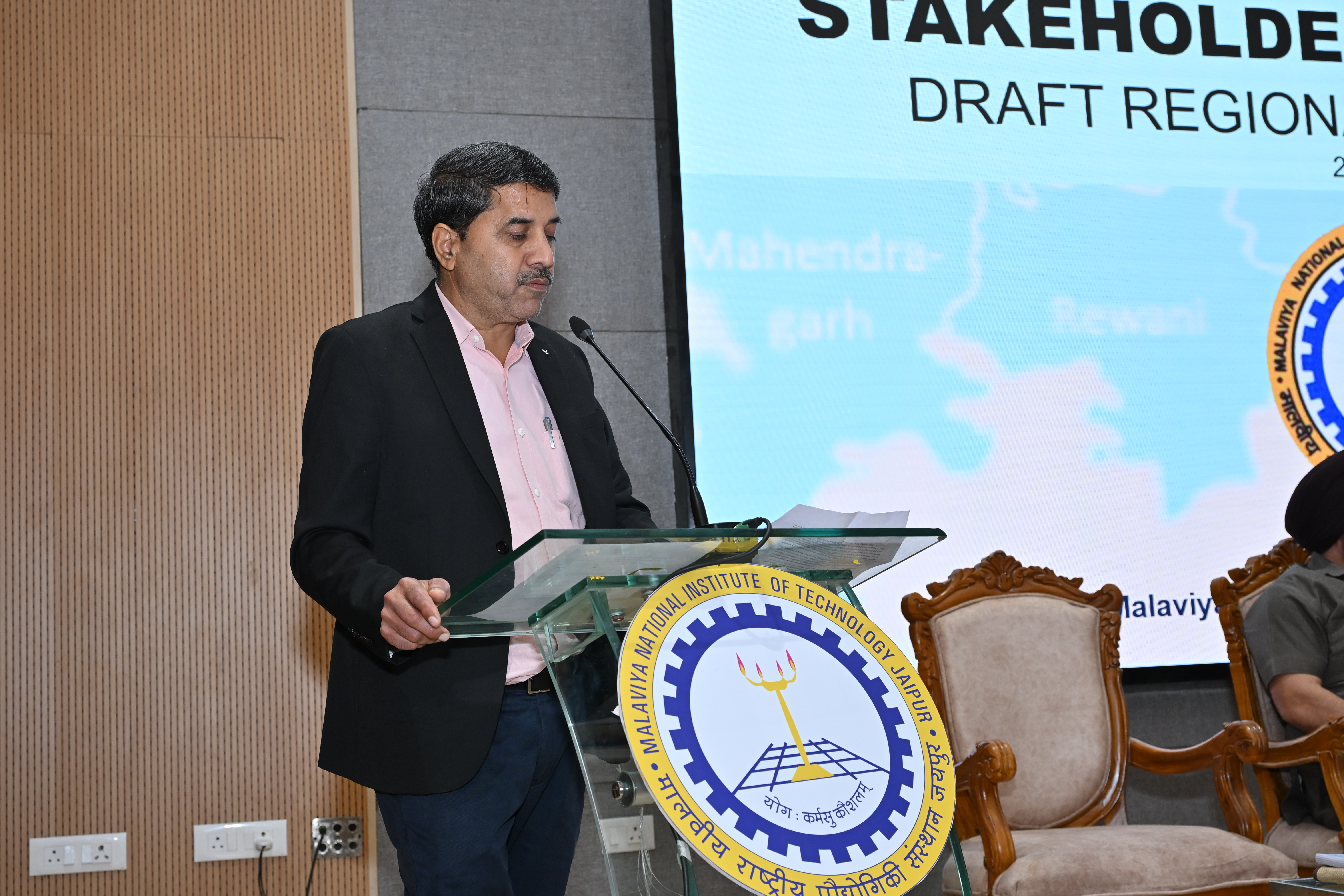
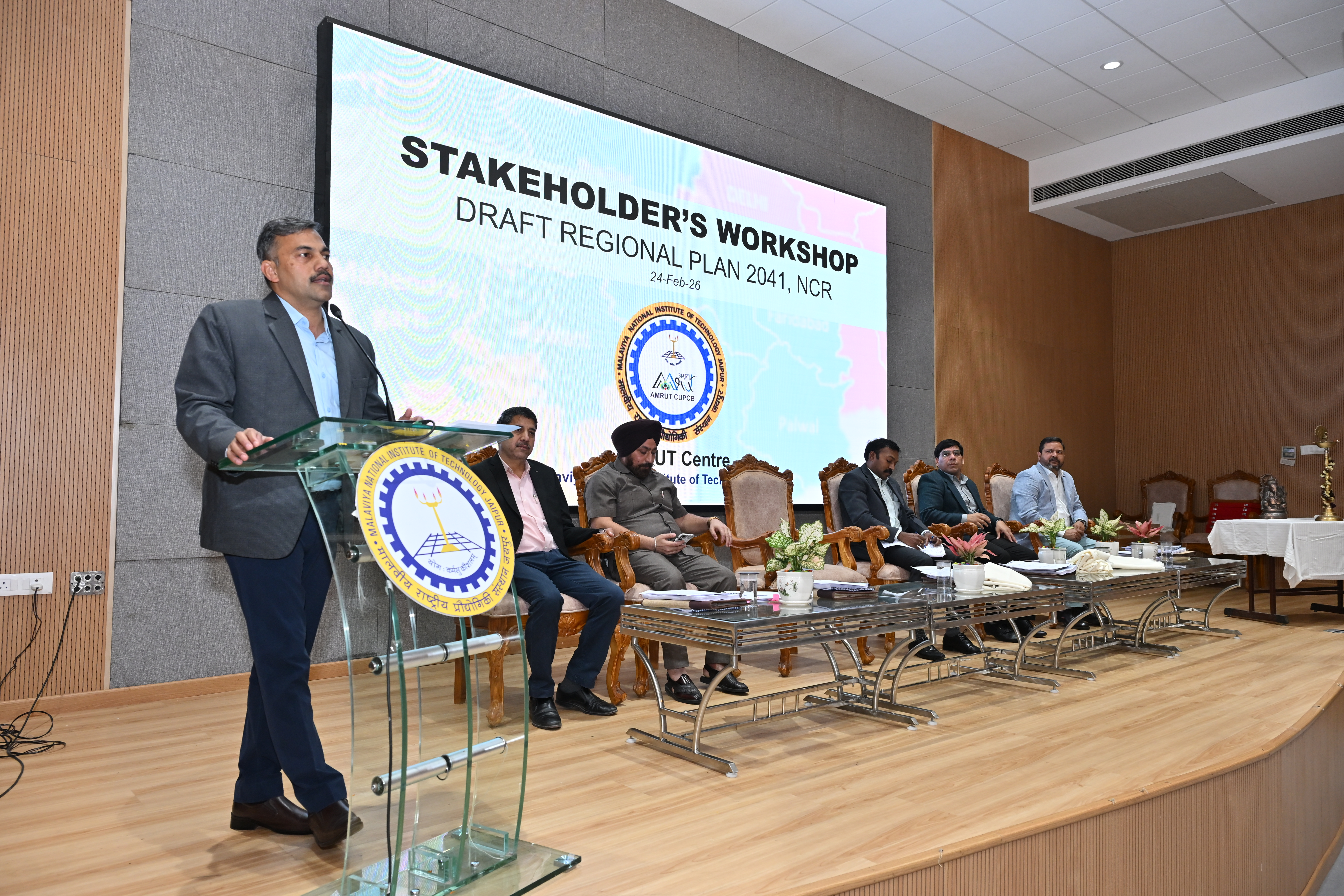
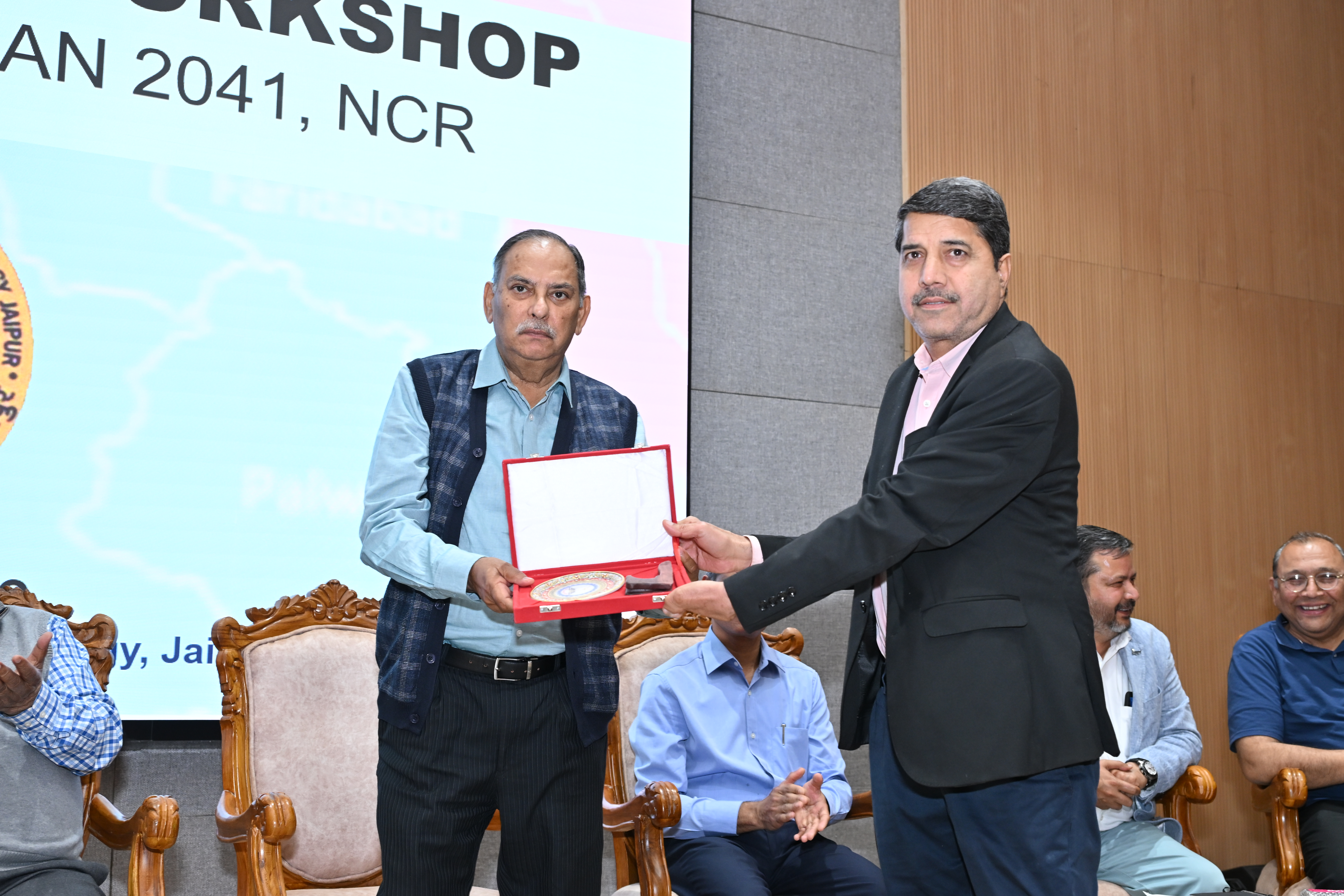
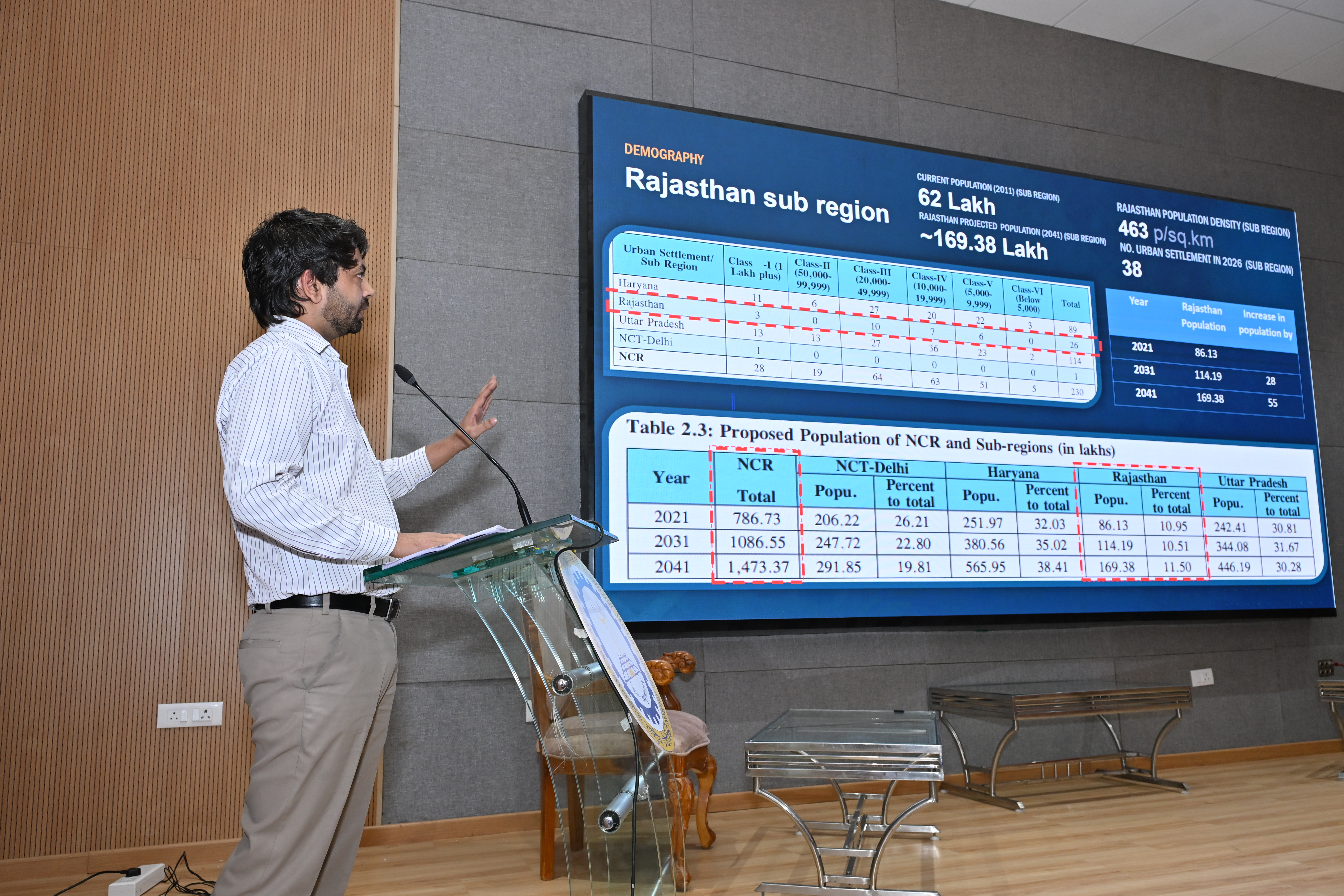
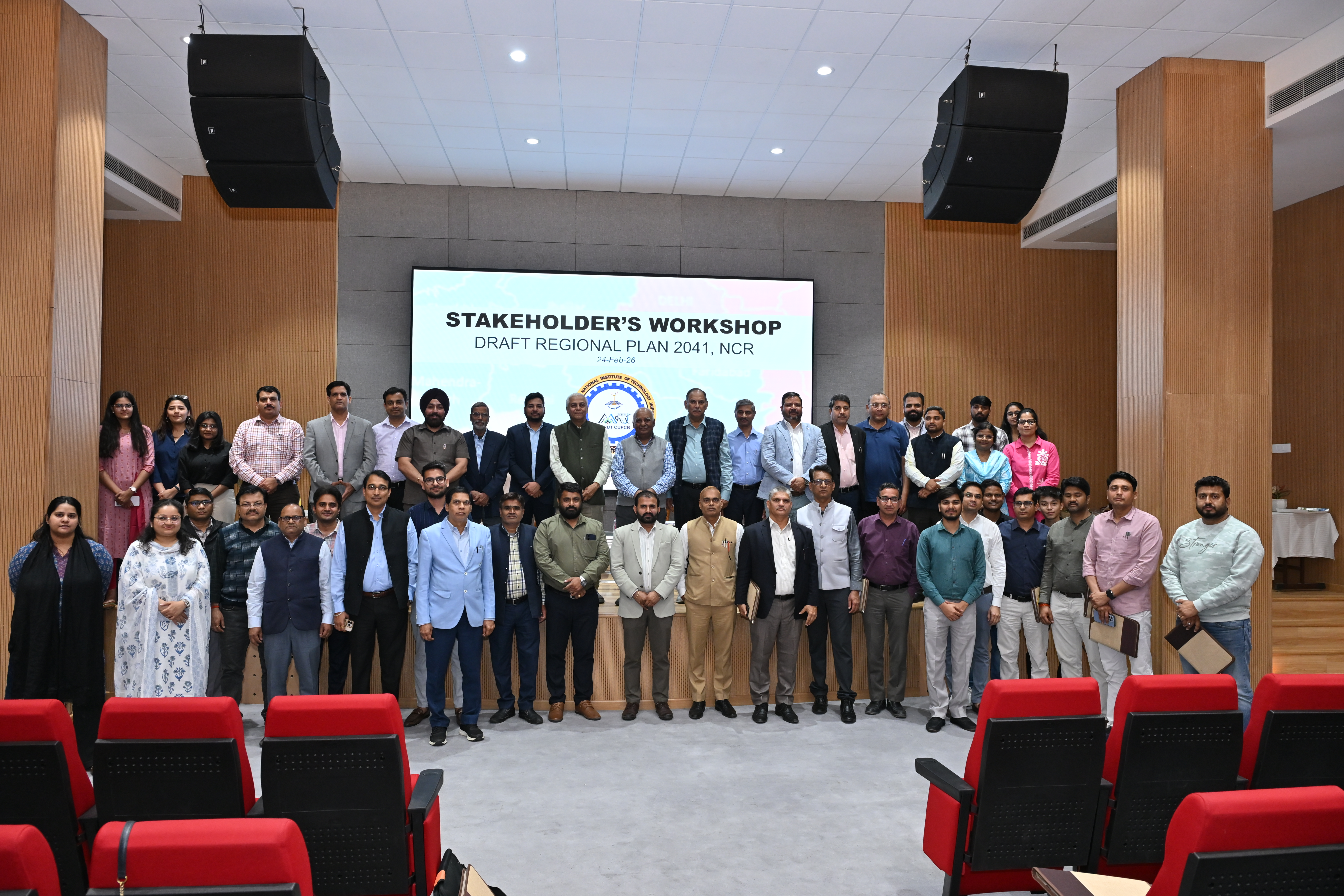
The One-Day Stakeholder Workshop on the Draft Regional Plan–2041 (NCR) for the Rajasthan Sub-Region was jointly organized on 24th February 2026 at Malaviya National Institute of Technology Jaipur by the Department of Local Self Government (UDH), Government of Rajasthan and the AMRUT Centre of Urban Planning for Capacity Building, MNIT Jaipur.
- Introduction to Regional Plan–2041.
- Sectoral Policies & Development Proposals.
- Policy-related Suggestions from Rajasthan NCR Cell.
- Professional Impressions - Economic Growth, Mobility & Urban Development (NCR-Rajasthan).
- Professional Impressions - Draft Regional Plan–2041 (RCR)
- Presentation on Balanced & Sustainable Regional Development by AMRUT Centre, MNIT, Jaipur
- Participant presentations, group discussions, and written assessments helped evaluate learning outcomes and encourage peer-to-peer knowledge sharing.
- Overall, the training enhanced professional skills, administrative efficiency, and preparedness of officers to address complex urban development challenges effectively.
- Presentations, Feedback and Disscussion.
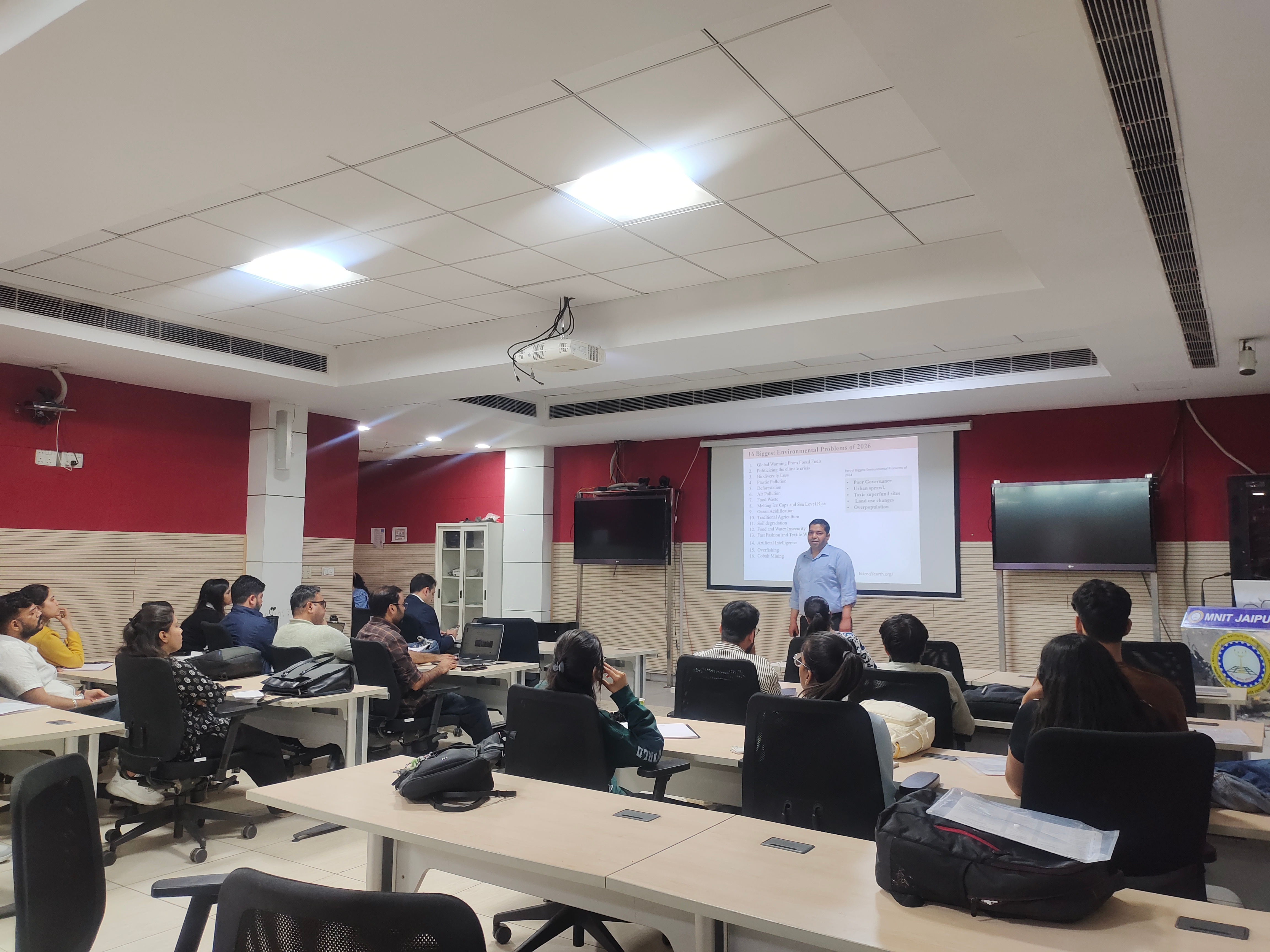
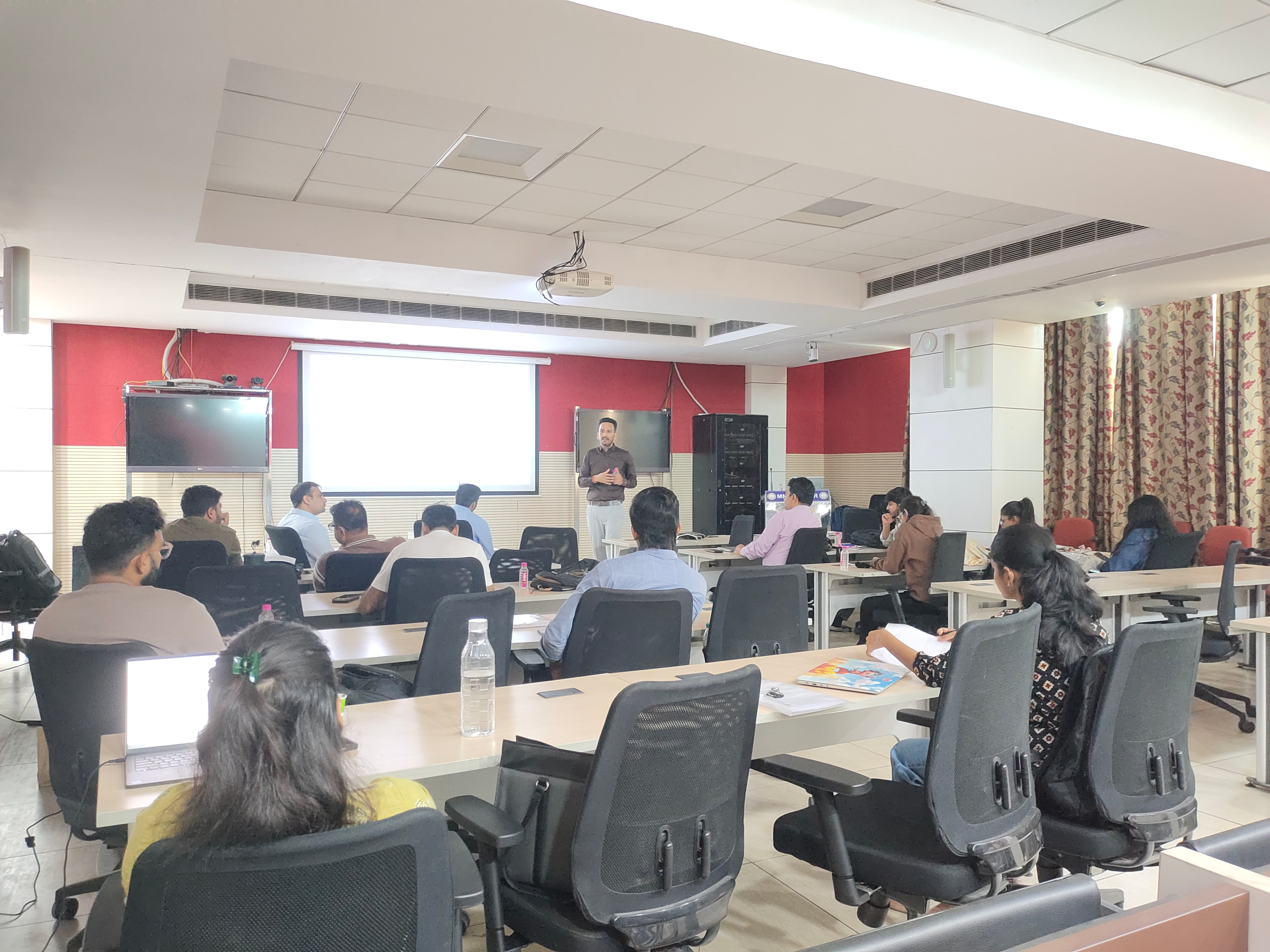
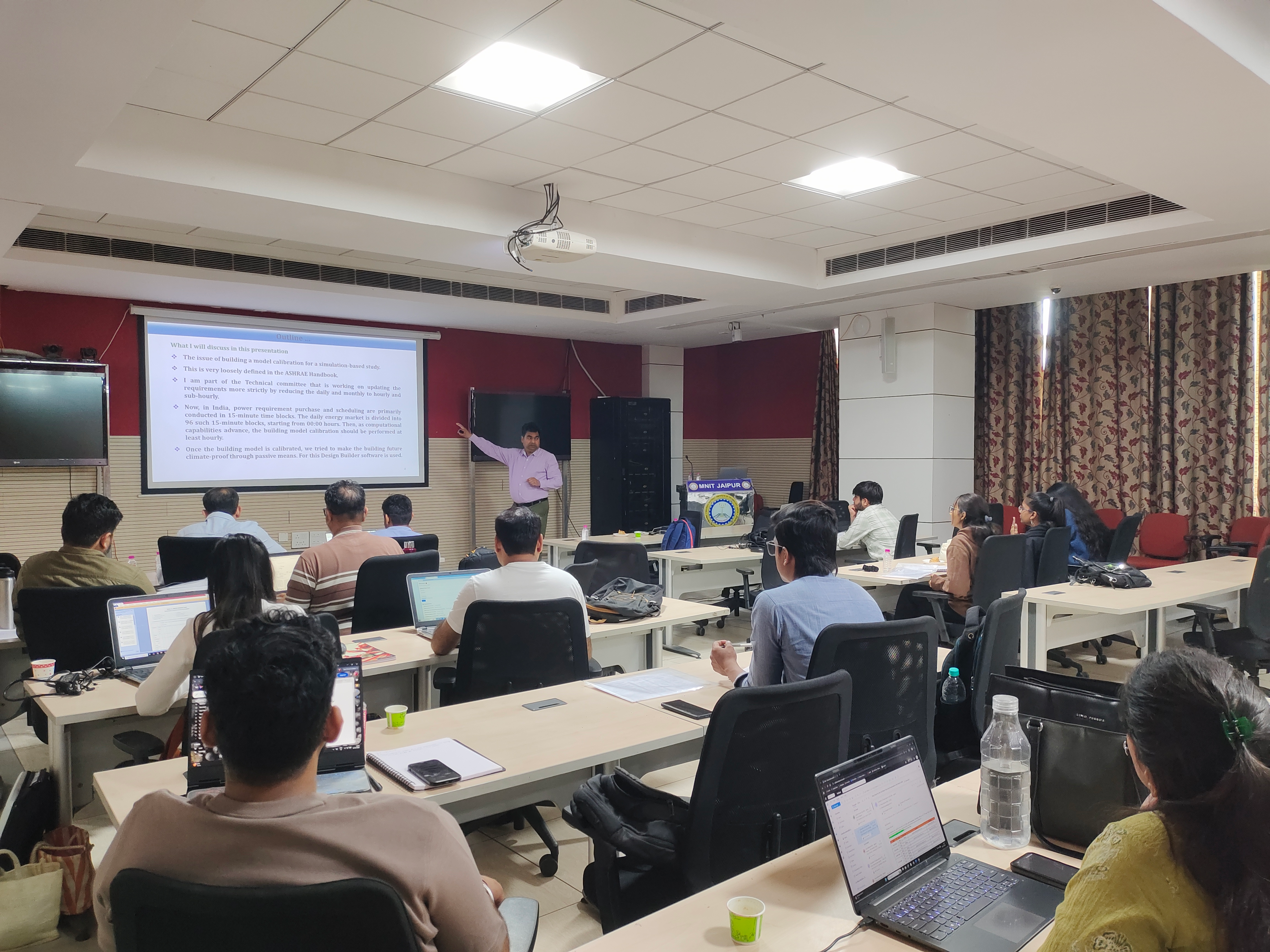
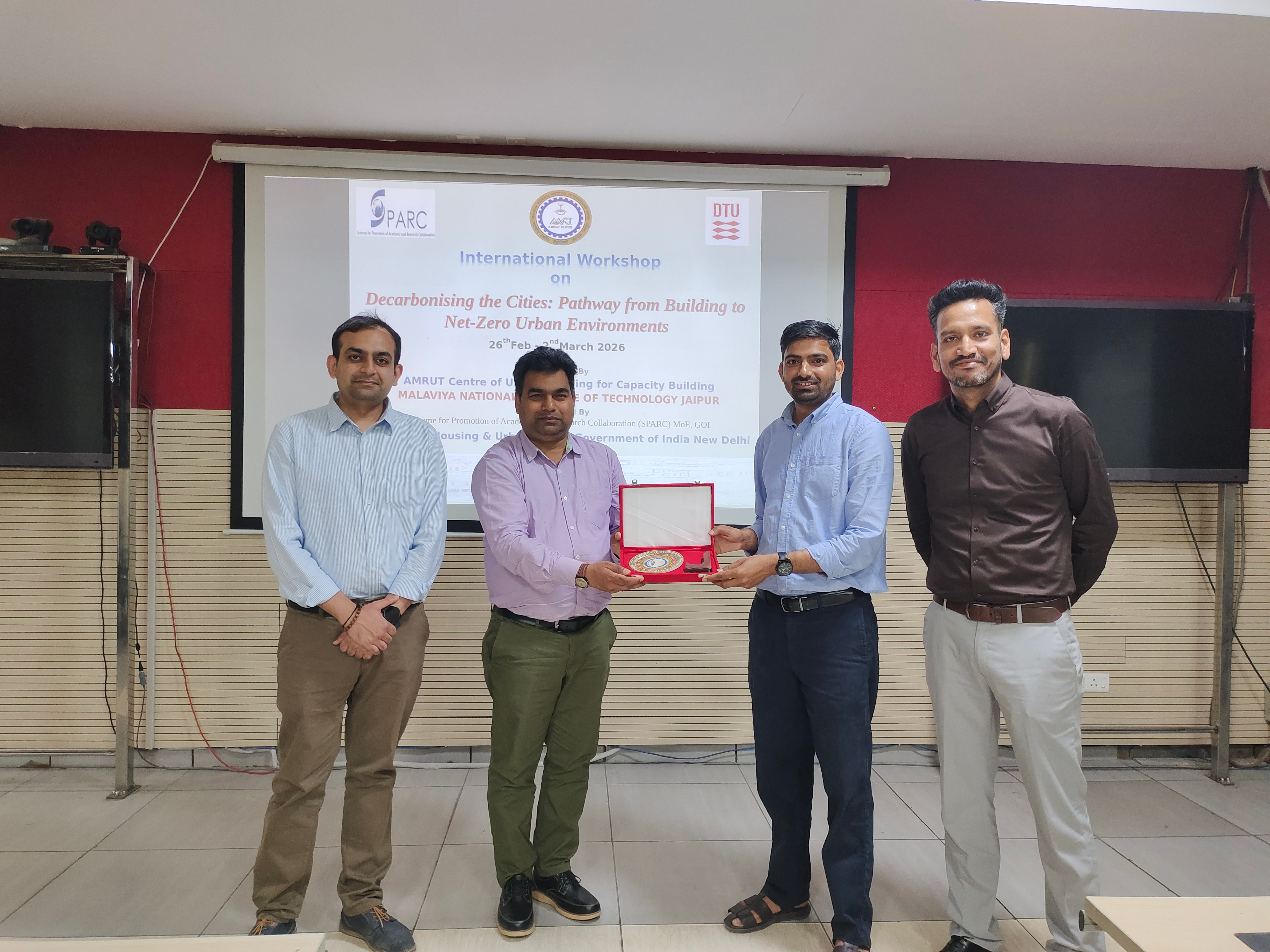
Dates: 26th Feb - 2nd March, 2026
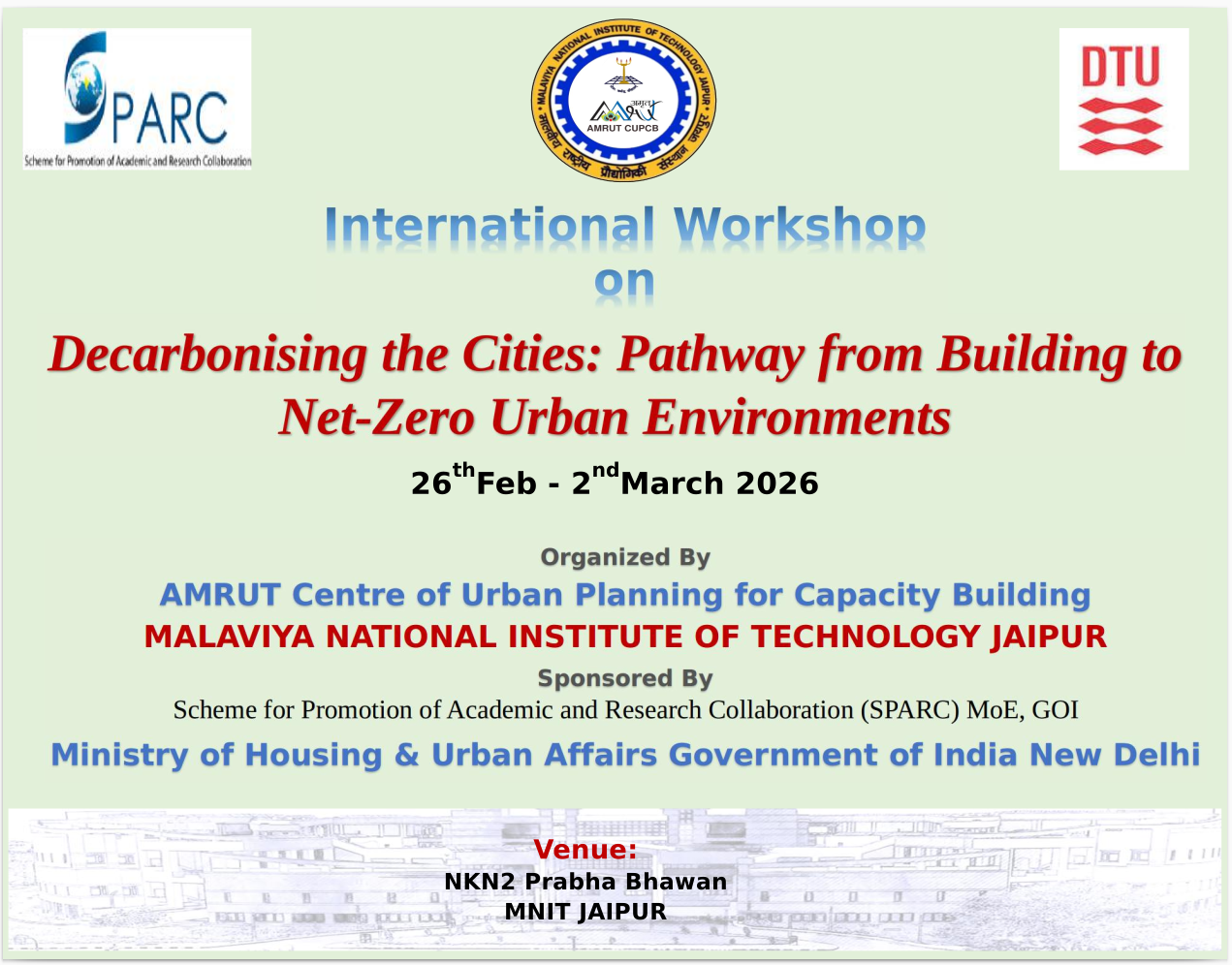
The one-day workshop organized by the AMRUT Centre of Urban Planning for Capacity Building at Malaviya National Institute of Technology Jaipur was a comprehensive capacity-building program aimed at architects, planners, undergraduate and postgraduate students, and net-zero experts. It covered key topics such as decarbonizing cities from building to urban scale, the impact of urban heat islands, indoor thermal environments, occupant comfort and health, and the challenges of climate change and urban heat stress. The workshop also explored optimizing urban systems for net-zero development, renewable cooling technologies, mini-grid concepts, and scalable renewable interventions, along with discussions on policy frameworks, concluding with presentations, feedback, and interactive discussions.
- Decarbonizing Cities:From Buildings to Urban Scale
- Impact of Urban Heat Island (UHI) on Net-Zero Urban Environment
- Dynamics of Indoor Thermal Environments.
- Occupant Comfort, Health,and Cognive Performance.
- Climate Change vs.Urban Heat Stress.
- Optimizing Urban Attributes for Net-Zero Development.
- Low-Carbon and Renewable Cooling Technologies.
- Mini-Grid Concepts for City-Level Decarbonization
- Scaling Renewable Interventions for a Sustainable Future
- Policy and Regulatory Frameworks for Decarbonization
- Presentations, Feedback and Disscussion.